
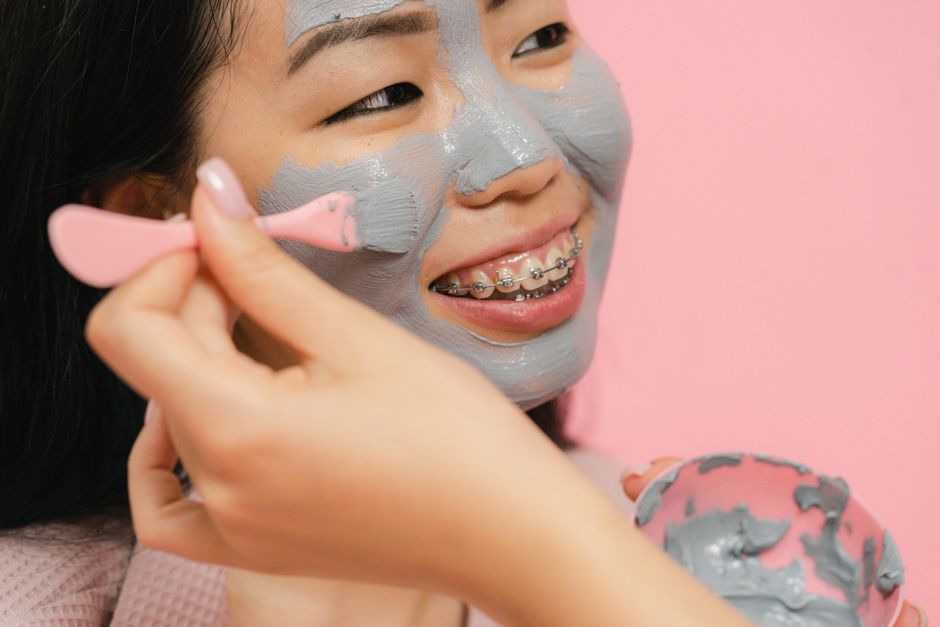
Braces pain is a normal part of orthodontic treatment. When your braces are tightened, the wires put pressure on your teeth to move them into new positions. This pressure triggers an inflammatory response in the gums and the ligament that holds each tooth in place. That inflammation is what causes the aching, throbbing feeling. You can stop this pain immediately at home using a combination of cold therapy, saltwater rinses, and over-the-counter pain relievers. These methods reduce the inflammation directly, which is the actual source of the discomfort, not just the symptom.
What Actually Causes Braces Pain?
The pain you feel after an adjustment is not your teeth hurting. Your teeth are hard bone-like structures without nerve endings that register pain. The discomfort comes from the periodontal ligament, the soft tissue that connects each tooth root to the jawbone.
When the archwire puts pressure on your teeth, it compresses this ligament on one side and stretches it on the other. This compression reduces blood flow to the area. When blood flow drops, your body releases inflammatory chemicals like prostaglandins. These chemicals sensitize the nerve endings in the ligament, which is why your teeth feel sore and tender.
This process is necessary for your teeth to move. The inflammation signals your body to remodel the bone around the tooth root, allowing the tooth to shift. The pain is a side effect of this biological process, and it typically peaks about 24 to 48 hours after a tightening appointment. Most people find the soreness fades significantly within three to five days.
How To Stop Braces Pain Immediately At Home: Cold Therapy
Cold is the fastest way to numb the area and reduce inflammation. It works by constricting the blood vessels in the gums, which limits the inflammatory response before it fully develops.
Use an ice pack wrapped in a thin cloth and hold it against your cheek over the sore area. Do not apply ice directly to your gums or teeth, as this can damage the soft tissue. Keep it in place for 15 to 20 minutes at a time. You can repeat this every few hours as needed.
Another effective cold option is sucking on an ice cube or drinking ice-cold water. The cold temperature numbs the nerve endings in the periodontal ligament temporarily. Some people prefer to sip cold water throughout the day after an adjustment because it is easy and does not require any preparation.
You can also freeze a small, damp washcloth and gently bite down on it. This combines the numbing effect of cold with mild counter-pressure against the teeth. The pressure can distract your brain from the pain signals coming from the ligament.
Saltwater Rinses To Soothe Irritated Gums
A warm saltwater rinse is one of the oldest and most reliable remedies for mouth pain. It works because the salt draws fluid out of the swollen gum tissue, which reduces pressure on the nerve endings.
Mix one teaspoon of table salt into a glass of warm water. Swish it around your mouth gently for about 30 seconds, then spit it out. Do not swallow the saltwater. You can do this several times a day, especially after meals when food may be trapped in your braces and irritating your gums.
This rinse also helps keep the area clean. Braces create many small spaces where food and plaque can collect, which can worsen gum irritation. A saltwater rinse flushes these areas out without the need for aggressive brushing that might hurt.
Make sure the water is warm, not hot. Hot water can increase blood flow to the area and make the inflammation worse. Warm water is sufficient to dissolve the salt and provide comfort.




Over-The-Counter Pain Relievers For Braces Pain
If the pain is severe enough to interfere with eating or sleeping, an over-the-counter pain reliever can help. The most effective options for this type of pain are nonsteroidal anti-inflammatory drugs (NSAIDs) like ibuprofen.
Ibuprofen works by blocking the production of prostaglandins, the same inflammatory chemicals that cause the pain in your periodontal ligament. By reducing inflammation at the source, it provides longer-lasting relief than a numbing agent alone.
Acetaminophen is another option. It works differently, primarily affecting pain perception in the brain rather than reducing inflammation. Some orthodontists prefer acetaminophen because there is some debate about whether NSAIDs might slow down tooth movement. The evidence on this is mixed. Some studies suggest high doses of NSAIDs may interfere with the bone remodeling process, while others show no effect.
Follow the dosing instructions on the label. Do not take more than the recommended amount. If you have underlying health conditions or take other medications, check with your pharmacist or doctor before adding a new pain reliever.
Oral Anesthetics and Numbing Gels
Topical numbing gels can provide fast, targeted relief for specific spots where the braces are rubbing against your cheeks, lips, or tongue. These products usually contain benzocaine, a local anesthetic that temporarily numbs the tissue it touches.
Apply a small amount of the gel directly to the irritated area with a clean finger or a cotton swab. The numbing effect usually starts within seconds and lasts for a short period. This is not a long-term solution for deep tooth pain, but it works well for sores caused by brackets rubbing on soft tissue.
You can also use orthodontic wax for this purpose. While it does not numb anything, it creates a smooth barrier between the metal bracket and your cheek or lip. This prevents the friction that causes sores in the first place. Roll a small piece of wax into a ball, dry the bracket with a tissue, and press the wax firmly over the sharp edge.
What To Eat And Avoid During Braces Pain
What you eat during the first few days after an adjustment can significantly affect your comfort level. Hard, crunchy, or chewy foods require more pressure to chew, which aggravates the sore ligament.
Stick to soft foods that require minimal chewing. Good options include yogurt, mashed potatoes, soup, scrambled eggs, oatmeal, and smoothies. These foods provide nutrition without putting stress on your teeth.
Avoid foods that are hard, sticky, or require biting into with your front teeth. This includes nuts, popcorn, chips, apples, carrots, bagels, and chewy candy. Biting into these foods can cause sharp pain and may also damage the brackets or wires.
Cutting your food into smaller pieces can help even with soft foods. The less force you need to chew, the less discomfort you will feel. Some people find that eating cold foods like ice cream or yogurt is especially soothing because the cold temperature numbs the area while you eat.
When To Contact Your Orthodontist
Most braces pain is manageable at home and resolves within a few days. However, some situations require professional attention.
Contact your orthodontist if you have a broken wire or bracket. A protruding wire can poke your cheek or tongue and cause significant pain. Your orthodontist can clip the wire or reattach the bracket. In the meantime, you can use orthodontic wax to cover the sharp end.
Seek help if the pain is severe and does not respond to over-the-counter pain relievers after a few days. This could indicate an infection or an abscess, which requires prompt treatment. Swelling, fever, or pus around the gums are signs of infection and should not be ignored.
If you have difficulty swallowing or breathing, or if your face is swelling noticeably, seek emergency medical care. These symptoms are not typical of normal braces pain and require immediate evaluation.
Frequently Asked Questions
How long does braces pain last?
Braces pain typically peaks within 24 to 48 hours after an adjustment and fades significantly within three to five days. If the pain lasts longer than a week, contact your orthodontist.
Can I take ibuprofen for braces pain?
Yes, ibuprofen is effective for braces pain because it reduces the inflammation in the periodontal ligament. Follow the dosing instructions on the label and consult your doctor if you have other health conditions.
Does cold water help braces pain?
Yes, cold water or ice can numb the area and reduce inflammation temporarily. Sucking on ice chips or sipping cold water can provide immediate but short-lived relief.
Is it normal for braces to hurt when I bite down?
Yes, it is normal for your teeth to feel tender when you bite down after an adjustment. This is because the pressure compresses the ligament around each tooth root, and eating adds extra force to that area.
