
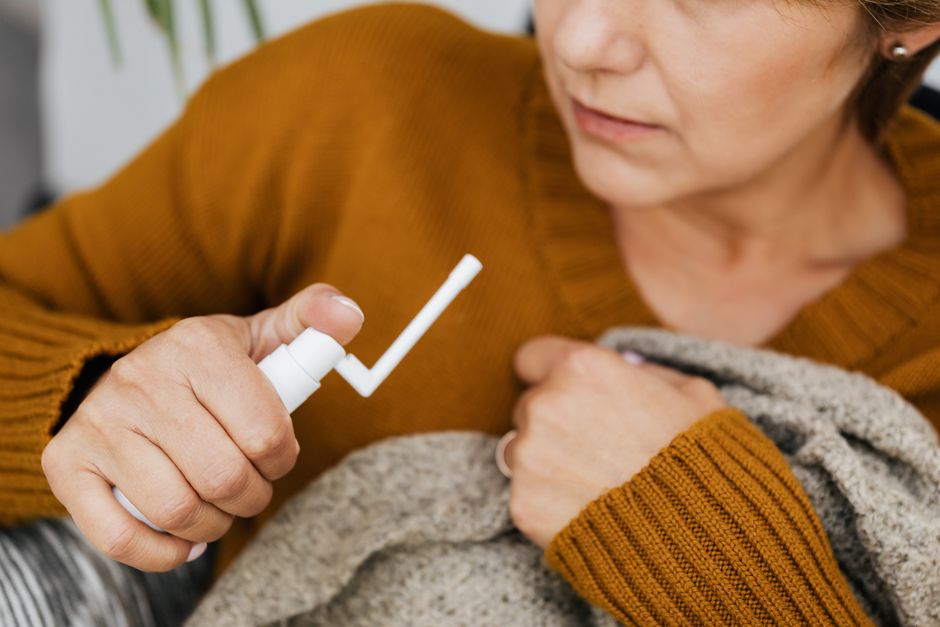
Thick, sticky phlegm can make you feel miserable. It sits in your chest and throat, making it hard to breathe, talk, or sleep. The fastest way to loosen it at home is to add moisture to your airways. Steam from a hot shower or a bowl of hot water works within minutes. Drinking warm fluids like broth or herbal tea also helps thin the mucus so it can move more easily. Staying hydrated throughout the day is the most reliable method, and it works for most people within a few hours.
Why Does Phlegm Get Thick and Sticky?
Phlegm is actually a normal part of your respiratory system. Your airways produce mucus every day to trap dust, viruses, and bacteria. This mucus is usually thin and slippery. It acts like a protective coating.
When you get sick, your body steps up production. Infections like colds, flu, or bronchitis trigger an inflammatory response. This response changes the makeup of the mucus. It becomes thicker, stickier, and more plentiful. Your immune system is essentially sending more resources to fight off the invaders, and the mucus is part of that defense.
Environmental factors also play a role. Dry indoor air, especially in winter, pulls moisture from your airways. This dries out the mucus and makes it harder to cough up. Dehydration does the same thing. If your body does not have enough water, it will not produce thin, watery mucus.
How To Loosen Up Phlegm Fast With Home Remedies?
Start with steam. Heat a pot of water until it produces steam, then remove it from the stove. Place your face over the pot with a towel draped over your head. Breathe deeply for five to ten minutes. The warm, moist air hydrates your airways directly and quickly. A hot shower works just as well if you do not want to use a pot.
Warm fluids are the next fastest option. Hot tea, warm broth, or even warm water with lemon and honey can help. The warmth increases blood flow to the airway lining, which helps thin mucus. The fluid itself also hydrates you from the inside out. Aim to sip warm fluids consistently throughout the day, not just once.
Plain water is the foundation. There is no substitute for adequate hydration. When you are sick, you need more fluids than usual. If your urine is dark yellow, you are likely not drinking enough. Clear or light yellow urine is a good sign that you are hydrated enough to keep mucus thin.
Honey is one of the few home remedies with solid research behind it. Studies have found that honey can soothe a sore throat and act as a mild cough suppressant. It does not directly thin phlegm, but it coats the throat and reduces irritation. This can make coughing less painful and more productive. Do not give honey to children under one year old due to the risk of infant botulism.
Is Coughing Up Phlegm Good or Bad?
Coughing up phlegm is generally a good sign. It means your body is clearing the infection and debris from your lungs. The goal is not to stop the cough. The goal is to make the cough productive enough to bring the phlegm up.
Suppressing a productive cough can actually prolong your illness. If mucus stays in your lungs, bacteria or viruses have more time to multiply. Your body is trying to expel the mucus for a reason. Let it do its job.
That said, a dry, hacking cough that produces nothing is different. This type of cough is irritating and serves little purpose. Honey or a spoonful of warm water can help soothe this kind of cough. Over-the-counter cough suppressants can also help, but they should not be used if you are actively coughing up phlegm.




Which Home Remedy Works Best for Chest Congestion?
For chest congestion specifically, steam is the most effective immediate remedy. The moisture reaches deep into your airways where the phlegm is sitting. It loosens the mucus so your cough can bring it up more easily.
Saline nasal rinses or sprays can help if you also have nasal congestion. Thick mucus in your nose often drains down the back of your throat, adding to chest congestion. A saline rinse clears the nasal passages and reduces post-nasal drip. This can significantly reduce the amount of phlegm collecting in your chest.
Elevation can help at night. When you lie flat, mucus pools in your chest and throat. Propping yourself up with extra pillows allows gravity to help drain the mucus. This is not a quick fix, but it prevents the problem from getting worse overnight.
Some people find relief with a warm compress on the chest. The warmth can ease the discomfort of chest tightness. It does not thin mucus directly, but it can make the sensation of congestion more bearable.
What About Expectorants Like Guaifenesin?
Guaifenesin is the active ingredient in many over-the-counter expectorants, like Mucinex. It works by thinning mucus so it is easier to cough up. Clinical evidence for its effectiveness is actually mixed. Some studies show modest benefit, while others show little difference compared to placebo.
If you choose to use guaifenesin, hydration is still essential. The medication works best when you are well hydrated. Taking it without enough water may not produce the desired effect.
Follow the dosing instructions on the package. Do not exceed the recommended dose. Guaifenesin is generally safe for most adults, but it is not appropriate for everyone. Check with a pharmacist if you have underlying health conditions or take other medications.
When Should You See a Doctor?
Most cases of phlegm and congestion resolve on their own within one to two weeks. Home remedies are sufficient for the majority of people. But there are situations where you should seek medical care.
See a doctor if you are coughing up blood. Even a small amount of blood in your phlegm warrants a medical evaluation. This can be a sign of a more serious condition.
Seek care if you have a fever above 103°F, or a fever that lasts more than three days. Shortness of breath, chest pain, or wheezing are also reasons to call your doctor. If you have an underlying condition like asthma, COPD, or heart disease, you should be more cautious about prolonged congestion.
Green or yellow phlegm does not automatically mean you need antibiotics. This color change is a normal part of the immune response. It means your body is fighting an infection, which could be viral or bacterial. Antibiotics only work for bacterial infections, and most respiratory infections are viral.
Can Lifestyle Habits Prevent Phlegm Buildup?
Prevention is easier than treatment. Staying consistently hydrated is the single best habit. You do not need to drink excessive amounts, but you should drink enough that you rarely feel thirsty.
Using a humidifier in your bedroom can help, especially in winter. Dry indoor air is a major contributor to thick phlegm. A humidifier keeps the air moist, which keeps your airways moist. Clean your humidifier regularly to prevent mold and bacteria growth.
If you smoke, quitting will have the biggest impact on your respiratory health. Smoking damages the cilia in your airways. Cilia are tiny hair-like structures that move mucus up and out of your lungs. When they are damaged, mucus accumulates. This is why many smokers have a chronic cough.
Limiting dairy is sometimes recommended, but the evidence is weak. Some people report that dairy makes their phlegm thicker. Research does not confirm this consistently. If you notice dairy makes you feel more congested, try reducing it for a few days. If you notice no difference, there is no reason to avoid it.
Frequently Asked Questions
Does drinking warm water help loosen phlegm immediately?
Warm water helps thin mucus by hydrating your airways from the inside. It works within minutes, but the effect is temporary, so sip fluids consistently throughout the day.
Is steam or a humidifier better for chest congestion?
Steam from a hot shower or bowl of hot water provides immediate, concentrated moisture that works fastest. A humidifier is better for continuous overnight relief but works more slowly.
Can honey actually break up phlegm?
Honey does not directly break up phlegm, but it coats and soothes the throat, which can make coughing less painful. It is most effective when combined with warm water or tea.
How long does it take for home remedies to clear phlegm?
Steam and warm fluids can provide relief within 10 to 30 minutes. Complete clearing of phlegm usually takes several days as your body fights off the underlying infection.
