
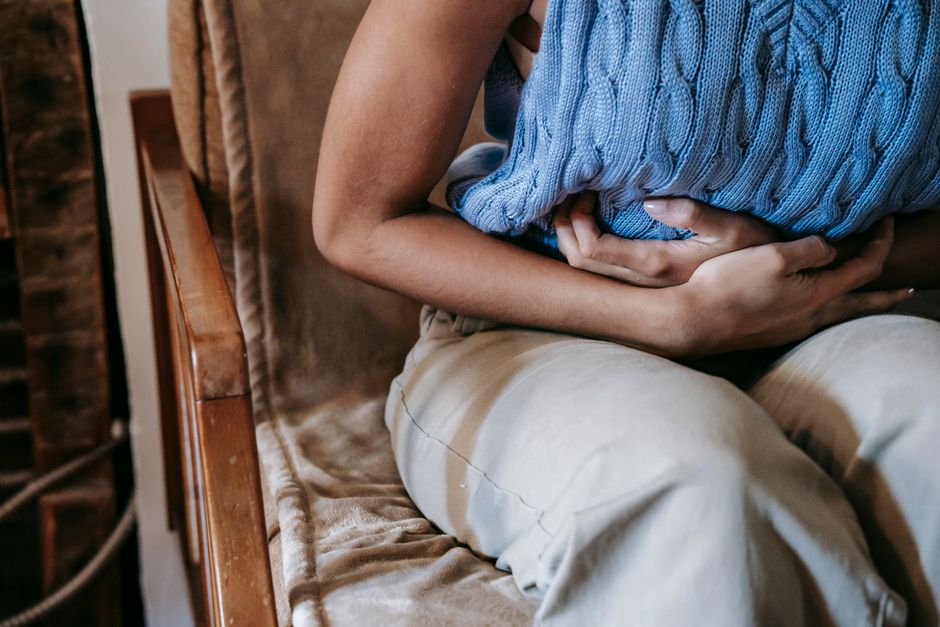
Bloating happens when your digestive tract fills with gas or when fluids build up in your abdomen. Most bloating comes from swallowed air, certain foods, or slow digestion. To stop bloating, focus on eating slowly, avoiding carbonated drinks, limiting high-FODMAP foods like beans and onions, and staying physically active after meals to help move gas through your system.
What Actually Causes Bloating?
Gas accumulation is the most common cause. When you swallow air while eating or drinking, or when bacteria in your colon break down undigested carbohydrates, gas builds up. Some people produce more gas than others based on their gut bacteria composition.
Constipation slows everything down. When stool sits in your colon longer than it should, more gas gets produced and trapped. Food intolerances create similar problems. If your body cannot properly break down lactose or gluten, undigested particles ferment in your gut.
Hormonal shifts affect women more. Estrogen causes the body to retain water, which is why bloating often worsens before menstruation. Some medications including pain relievers and fiber supplements can trigger bloating as a side effect.
Does Changing What You Eat Actually Work?
Studies show that reducing FODMAP foods decreases bloating in about 70% of people with irritable bowel syndrome. FODMAPs are short-chain carbohydrates that many people struggle to digest. They include beans, lentils, wheat, onions, garlic, and certain fruits.
Eating smaller meals more frequently prevents your stomach from stretching too much at once. When you eat a large meal, your stomach expands and temporarily slows digestion, which creates that uncomfortable full feeling.
Carbonated beverages introduce carbon dioxide directly into your digestive system. The bubbles that make soda fizzy end up as gas in your stomach and intestines. Research from 2023 found that people who stopped drinking carbonated drinks reported a 40% reduction in bloating within two weeks.
Chewing gum causes you to swallow extra air. Sugar alcohols in sugar-free gum like sorbitol and xylitol are poorly absorbed and ferment in your gut. If you chew gum regularly and experience bloating, stopping for a week will show you whether it was contributing.
What Does Research on Probiotics and Digestive Enzymes Show?
Certain probiotic strains reduce bloating by changing the balance of bacteria in your gut. A 2024 review of 15 clinical trials found that Bifidobacterium infantis and Lactobacillus plantarum reduced bloating scores by an average of 30% compared to placebo. Not all probiotics work the same way, and results vary significantly between individuals.
Digestive enzymes help break down specific nutrients your body struggles with. Lactase supplements allow lactose-intolerant people to digest dairy without bloating. Alpha-galactosidase enzymes break down complex sugars in beans and vegetables before gut bacteria can ferment them.
The evidence is moderate not overwhelming. Some people see clear improvement within days. Others notice no difference at all. As of 2026, researchers cannot predict who will respond to probiotics based on symptoms alone.



How Does Physical Activity Help Stop Bloating?
Moving your body moves gas through your intestines faster. A study published in 2022 found that a 15-minute walk after eating reduced bloating complaints by 25% compared to sitting still. Physical activity stimulates the muscles in your digestive tract through a process called peristalsis.
Yoga poses that compress the abdomen can help release trapped gas. Child’s pose, knees-to-chest position, and seated twists are commonly recommended. While the clinical evidence for specific poses is limited, many people report immediate relief.
Regular exercise changes your gut bacteria composition over time. Active people tend to have more diverse microbiomes, which research associates with better digestive function. You do not need intense workouts. Consistent moderate activity matters more than occasional vigorous sessions.
What Habits Make Bloating Worse?
Eating too quickly means swallowing more air with every bite. When you rush through a meal, you also give your brain less time to register fullness, which often leads to overeating. Both contribute to that stuffed bloated feeling.
Drinking through straws pulls extra air into your stomach. The same goes for smoking, which causes you to swallow air repeatedly throughout the day. Talking while eating has a similar effect.
Lying down immediately after eating slows digestion. Gravity normally helps move food through your digestive system. When you lie flat, that assistance disappears and gas can get trapped more easily. Wait at least two hours after a large meal before lying down.
| Bloating Trigger | Why It Happens | Simple Fix |
|---|---|---|
| Carbonated drinks | Direct gas introduction | Switch to still water |
| Eating too fast | Excess air swallowing | Chew each bite 15-20 times |
| High-FODMAP foods | Bacterial fermentation | Try low-FODMAP alternatives |
| Large meals | Stomach distension | Eat smaller portions more often |
| Constipation | Gas trapped behind stool | Increase fiber and water gradually |
When Does Bloating Signal Something More Serious?
Occasional bloating after certain meals is normal. Persistent bloating that does not improve with dietary changes deserves medical attention. If bloating comes with unintended weight loss, blood in stool, or severe abdominal pain, see a doctor promptly.
Celiac disease causes chronic bloating along with diarrhea and nutrient deficiencies. Small intestinal bacterial overgrowth produces excessive gas and bloating that often worsens throughout the day. Inflammatory bowel diseases like Crohn’s and ulcerative colitis create inflammation that slows digestion.
Ovarian cancer sometimes presents with persistent bloating as an early symptom, though this is relatively rare. Women over 50 who experience new-onset bloating lasting more than a few weeks should discuss screening with their doctor.
What Actually Works to Stop Bloating Right Now?
Peppermint tea relaxes the muscles in your digestive tract. Research shows that peppermint oil reduces bloating in people with irritable bowel syndrome, and the tea provides a milder version of the same compounds. Drink it warm about 30 minutes after eating.
Applying heat to your abdomen relaxes intestinal muscles and can ease discomfort. A heating pad or hot water bottle for 15-20 minutes often brings relief. Some people find a warm bath works even better.
Lying on your left side helps gas move through your colon more easily due to the shape and position of your intestines. This position encourages gas to travel toward the exit rather than getting trapped in pockets.
Here are the steps that consistently help based on current research:
- Eliminate carbonated drinks for two weeks and track whether bloating improves
- Eat meals slowly over at least 20 minutes, putting your fork down between bites
- Take a 10-15 minute walk after lunch and dinner
- Keep a food diary to identify which specific foods trigger your bloating
- Drink water throughout the day but limit drinking large amounts with meals
- Add a daily probiotic containing Bifidobacterium or Lactobacillus strains
- Reduce portion sizes and eat four or five smaller meals instead of three large ones
Most people see improvement within a week if food choices or eating habits are the main cause. Bloating from constipation takes longer to resolve, sometimes two to three weeks of consistent dietary fiber and hydration increases. Patience matters. Quick fixes rarely exist for digestive issues.
Frequently Asked Questions About Stop Bloating
Does drinking water help with bloating?
Drinking water helps prevent constipation-related bloating but drinking too much with meals can make you feel more bloated temporarily. Sip water between meals rather than gulping large amounts all at once.
Can stress cause bloating?
Stress alters gut motility and changes how your digestive system processes food, which can increase bloating. The gut-brain connection means anxiety often shows up as digestive symptoms including gas and bloating.
How long does bloating last after eating trigger foods?
Bloating typically peaks 2-4 hours after eating trigger foods and resolves within 8-12 hours as food moves through your system. Severe cases from food intolerances can last up to 24 hours.
Is bloating worse at night?
Bloating often feels worse at night because gas accumulates throughout the day as you eat multiple meals. Lying down also makes you more aware of abdominal discomfort that you might ignore while active.
