
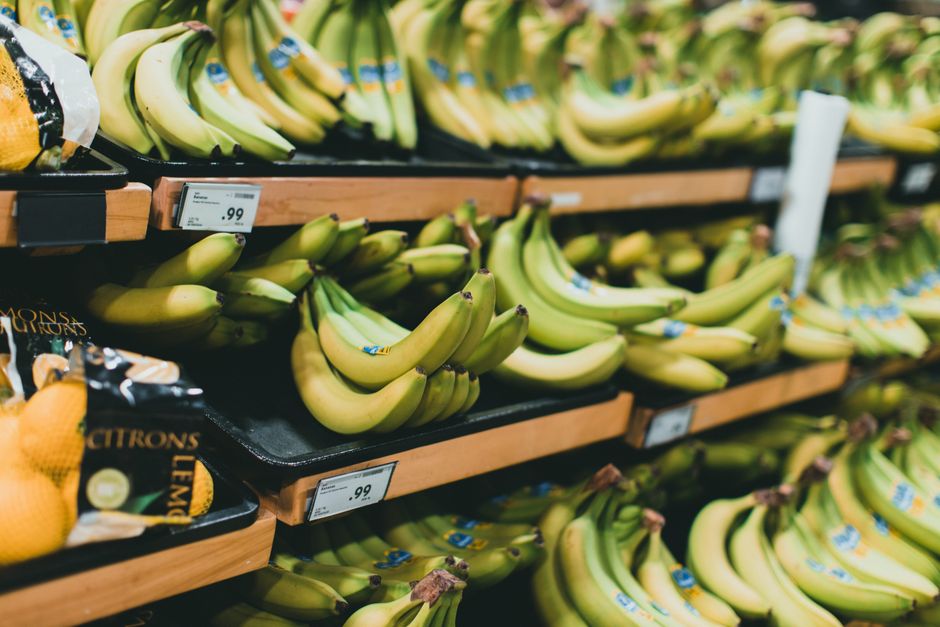
Yes, bananas can cause bloating and gas for some people, but they do not affect everyone the same way. The main reasons come down to three things: the type of carbohydrates in the banana, how ripe it is, and your individual digestive system. For most people, a banana is a well-tolerated fruit. But if you have a sensitive gut, a condition like irritable bowel syndrome (IBS), or a specific carbohydrate intolerance, bananas might be the reason you feel puffy and uncomfortable after eating.
What Exactly in Bananas Causes Bloating and Gas?
The short answer is that bananas contain two types of carbohydrates that can cause gas: fiber and FODMAPs. Fiber is the part of plants your body cannot digest. When it reaches your large intestine, bacteria break it down and produce gas as a byproduct. That is normal and healthy. But for some people, a sudden increase in fiber or a high-fiber fruit like a banana can cause noticeable bloating.
The second reason is FODMAPs. This stands for fermentable oligosaccharides, disaccharides, monosaccharides, and polyols. These are short-chain carbohydrates that some people cannot absorb well. Bananas contain a specific FODMAP called fructans. Fructans are chains of fructose molecules. When your small intestine struggles to absorb them, they travel to your colon where bacteria ferment them. That fermentation creates gas and bloating.
Research from Monash University, the leading authority on FODMAP research, shows that the ripeness of a banana changes its FODMAP content. Unripe green bananas are low in FODMAPs. As a banana ripens and turns yellow with brown spots, the fructan levels increase. A fully ripe banana is considered high in FODMAPs. This is a key fact that most people do not know. The same banana can be fine one day and cause bloating three days later.
Do Ripe Bananas Cause More Bloating Than Green Bananas?
Yes, ripe bananas cause more bloating for people sensitive to FODMAPs. The science is clear on this. Unripe green bananas contain mostly resistant starch. Resistant starch acts like a soluble fiber. It is fermented slowly in the colon, which can cause some gas but generally less than other fibers. As the banana ripens, the resistant starch converts into simple sugars like glucose, fructose, and sucrose. At the same time, the fructan content rises.
Monash University testing found that a medium ripe banana (about 100 grams) contains a moderate amount of fructans. For people on a low-FODMAP diet, the recommendation is to limit ripe bananas to one-third of a banana per serving. That is a very small amount. In contrast, a green banana is considered safe at a full serving size.
If you are someone who notices bloating after eating a yellow banana with brown spots, try eating a greener banana instead. The difference in how your gut handles it can be significant. The greener banana is not just lower in FODMAPs. It also contains more pectin and resistant starch, which can feed beneficial gut bacteria without causing as much acute gas.
Who Is Most Likely to Get Bloating From Bananas?
Not everyone gets bloated from bananas. If you have a healthy digestive system with no known sensitivities, bananas are unlikely to cause noticeable gas. But certain groups of people are much more likely to react.
People with IBS are the most affected group. Studies have found that about 60 to 70 percent of people with IBS have some degree of FODMAP sensitivity. For these individuals, bananas can trigger bloating, abdominal pain, and changes in bowel habits. The fructans in ripe bananas are a known trigger.
People with a fructose malabsorption issue may also react. Fructose is one of the sugars in bananas. If your body cannot absorb fructose efficiently, it ferments in the colon and produces gas. This is different from fructan sensitivity, though the symptoms feel similar.
People who are not used to a high-fiber diet can also experience bloating from bananas. If you rarely eat fruit or vegetables and then eat a banana, your gut bacteria need time to adjust. The sudden fiber load can cause temporary gas and bloating. This usually improves over a few weeks as your microbiome adapts.
People with small intestinal bacterial overgrowth (SIBO) may also have trouble with bananas. In SIBO, bacteria grow in the small intestine where they should not be. These bacteria feed on carbohydrates like the sugars in bananas, producing gas and bloating quickly after eating.





How Much Banana Is Too Much for a Sensitive Gut?
There is no single number that works for everyone. But research and clinical experience give some useful guidelines. For people who are FODMAP-sensitive, the threshold for ripe banana is about one-third of a medium banana. That is roughly 30 to 40 grams. Eating more than that in one sitting can trigger symptoms.
For people who are not FODMAP-sensitive but still get bloated, portion size still matters. A whole large banana contains about 3 grams of fiber. That is not a huge amount, but if you eat it on an empty stomach or with other high-fiber foods, it can add up. Eating two bananas in a row increases the fiber to 6 grams plus the fructose load. That is enough to cause gas in some people.
The speed at which you eat also matters. Eating a banana quickly without chewing thoroughly can trap air in your digestive tract. This is called aerophagia. The trapped air adds to the gas from fermentation, making bloating worse. Eating slowly and chewing well can reduce this effect.
| Banana Type | FODMAP Level | Safe Serving Size (FODMAP-sensitive) |
|---|---|---|
| Unripe green banana | Low | 1 whole medium banana |
| Slightly ripe (yellow, no spots) | Moderate | 1/2 medium banana |
| Fully ripe (yellow with brown spots) | High | 1/3 medium banana |
| Overripe (mostly brown) | Very high | Avoid if sensitive |
Can You Reduce Bloating From Bananas?
Yes, you can take several practical steps to reduce bloating if you want to keep eating bananas. The first step is choosing the right ripeness. Buy bananas that are still slightly green at the stem. Eat them while they are still firm and not fully yellow. This alone can make a big difference for FODMAP-sensitive people.
The second step is portion control. Do not eat a whole large banana in one sitting if you are prone to bloating. Cut it in half and save the rest for later. Or eat a smaller banana. Lady finger bananas or baby bananas are naturally smaller and contain less total carbohydrate per fruit.
The third step is pairing bananas with other foods. Eating a banana alone on an empty stomach can cause a rapid sugar and fiber load that triggers gas. Pairing it with a protein or fat, like a handful of almonds or a spoonful of peanut butter, slows digestion and reduces fermentation in the gut. The protein and fat help buffer the sugar and fiber release.
The fourth step is cooking the banana. Cooking breaks down some of the resistant starch and fructans, making them easier to digest. Grilling or baking bananas changes their carbohydrate structure. Some people who cannot tolerate raw bananas can eat cooked bananas without bloating. This is a tip that many people do not know about.
The fifth step is keeping a food diary. If you suspect bananas cause bloating, track what you eat and how you feel for a week. Note the ripeness of the banana, the portion size, and what you ate with it. Patterns will emerge. You may find that half a green banana with breakfast is fine, but a whole ripe banana after lunch causes bloating every time.
What About Banana Allergies or Intolerances?
Bloating from bananas is usually not an allergy. A true banana allergy is rare and involves symptoms like hives, itching, or swelling of the lips and throat. That is a different condition and requires medical attention.
What people describe as banana intolerance is more common. It is a digestive sensitivity rather than an immune reaction. The symptoms are limited to the gut: bloating, gas, cramping, and sometimes diarrhea or constipation. This intolerance is often linked to FODMAP sensitivity or fructose malabsorption.
There is also a condition called latex-fruit syndrome. About 30 to 50 percent of people with a latex allergy also react to certain fruits, including bananas. The proteins in bananas are similar to the proteins in latex. This reaction can cause oral itching or mild gut symptoms. But it is not the same as typical bloating from bananas.
If you consistently get bloated from bananas and the steps above do not help, it is worth talking to a doctor or a registered dietitian. They can help rule out other conditions like IBS, SIBO, or fructose malabsorption. A breath test can check for fructose malabsorption or SIBO. A low-FODMAP elimination diet can identify whether fructans are the trigger.
Frequently Asked Questions
Do bananas cause gas in everyone?
No. Bananas only cause gas in people who are sensitive to FODMAPs, have IBS, or are not used to high-fiber foods. Most people tolerate them well.
Are green bananas better for bloating than ripe bananas?
Yes. Green bananas are low in FODMAPs and contain resistant starch, which causes less gas than the fructans in ripe bananas.
How long after eating a banana does bloating start?
Bloating usually starts within 30 minutes to 2 hours after eating. The exact timing depends on your digestion speed and what else you ate.
Can cooking bananas reduce bloating?
Yes. Cooking breaks down some of the fructans and resistant starch, making bananas easier to digest for some people.
