
Bloating happens when your abdomen feels tight and swollen usually from gas buildup in your digestive tract. Several methods can provide relief within 15 to 60 minutes including movement, heat, and certain beverages. The fastest relief typically comes from gentle walking which helps move trapped gas through your system more quickly than lying still.
Understanding what actually works requires looking at what causes bloating in the first place. Gas accumulates either from swallowing air or from bacteria in your gut breaking down food. Some foods produce more gas than others. Sometimes constipation creates a physical blockage that makes you feel bloated even when gas is not the main problem.
Does Walking Actually Relieve Bloating?
Walking is one of the most effective immediate remedies for bloating. Studies have found that light physical activity helps move gas through your digestive system faster than staying still. A 10 to 15 minute walk often provides noticeable relief.
The mechanism is straightforward. Movement stimulates peristalsis which is the wave-like muscle contractions that push contents through your intestines. When you walk those contractions become more active. Gas pockets that were stuck in one area move along more easily.
You do not need intense exercise. A gentle pace works better than running which can actually make bloating worse by jostling your stomach. Think of it as encouraging your digestive system rather than forcing it. Many people report feeling better within 20 minutes of starting a walk.
What Drinks Help With Bloating Fast?
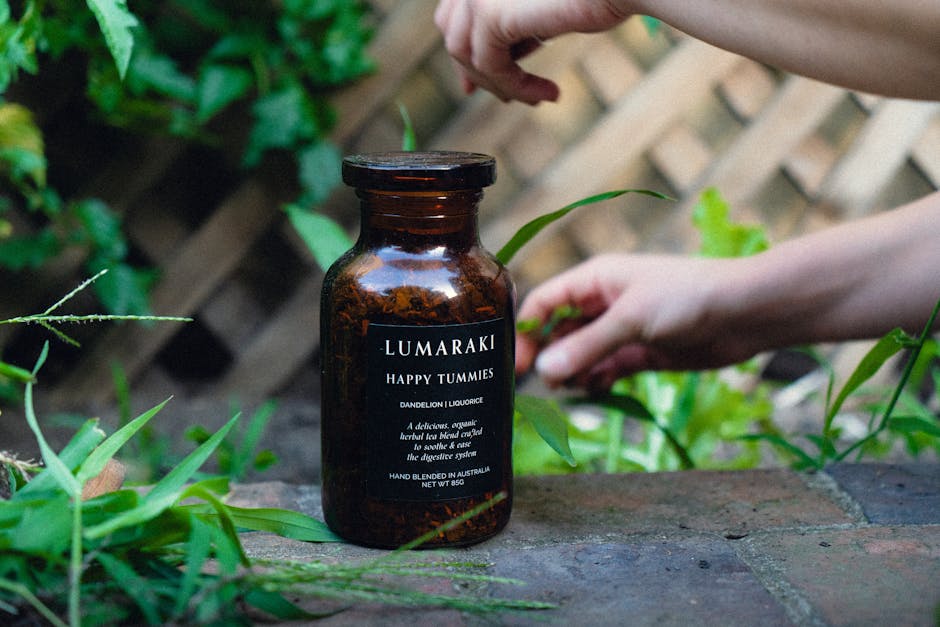
Certain drinks provide faster relief than others. Peppermint tea ranks among the most effective options. Research shows peppermint oil relaxes the smooth muscles in your digestive tract allowing trapped gas to move more easily. Warm peppermint tea works faster than cold drinks because warmth also helps relax intestinal muscles.
Ginger tea is another option with solid evidence behind it. Ginger has been studied extensively for digestive issues. It appears to speed up gastric emptying which means food moves from your stomach into your intestines more quickly. This can reduce that heavy bloated feeling after eating.
Plain warm water helps more than you might expect. It keeps things moving through your system and prevents constipation which often contributes to bloating. Some people add lemon but the water itself does most of the work. Avoid carbonated drinks when bloated. The bubbles add more gas to your system which is the opposite of what you need.
| Drink | How It Helps | Time to Relief |
|---|---|---|
| Peppermint tea | Relaxes intestinal muscles | 15-30 minutes |
| Ginger tea | Speeds gastric emptying | 20-40 minutes |
| Warm water | Maintains gut motility | 30-60 minutes |
| Fennel tea | Reduces gas production | 20-45 minutes |
Does Heat Help Bloating Go Away Faster?
Applying heat to your abdomen can provide surprisingly quick relief. A heating pad or warm water bottle relaxes abdominal muscles and improves blood flow to the area. This helps your digestive system work more efficiently.
The warmth itself does not eliminate gas but it makes the muscle contractions that move gas along work more smoothly. Many people feel relief within 15 to 20 minutes of applying heat. The sensation of pressure often decreases even before the bloating fully resolves.
Use moderate heat not high temperatures. You want comfort not burning. Lie down with the heat source on your abdomen for 15 to 30 minutes. Some people combine this with gentle circular massage which can also help move trapped gas.




What Foods Make Bloating Worse?
Certain foods are notorious for causing gas and bloating. Understanding which ones affect you helps prevent the problem rather than just treating it after the fact. The main culprits are foods high in certain types of carbohydrates that your small intestine cannot fully digest.
Beans and lentils contain oligosaccharides which gut bacteria ferment producing gas as a byproduct. Cruciferous vegetables like broccoli cabbage and Brussels sprouts have the same issue. Dairy products cause bloating in people with lactose intolerance because undigested lactose gets fermented by bacteria in the colon.
Artificial sweeteners particularly sorbitol and mannitol are poorly absorbed and create significant gas. Many sugar-free products contain these. Carbonated drinks introduce gas directly into your system. Even healthy foods like apples and pears contain fructose which some people absorb poorly leading to bloating.
This does not mean avoid these foods entirely. Most provide important nutrients. Pay attention to which ones consistently cause problems for you specifically. Everyone’s digestive system responds differently.
Do Over-the-Counter Medications Work for Fast Relief?
Several types of medications target bloating with varying effectiveness. Simethicone products like Gas-X work by breaking up gas bubbles in your stomach and intestines. This makes the gas easier to pass. Many people get relief within 30 minutes though evidence for its effectiveness is mixed.
Alpha-galactosidase supplements sold as Beano help break down complex carbohydrates before bacteria can ferment them. You take these before eating gas-producing foods. They work preventively rather than treating existing bloating. Studies show they reduce gas production when taken with meals containing beans and cruciferous vegetables.
Activated charcoal is widely marketed for bloating. As of 2026 there is limited clinical evidence that it effectively reduces gas or bloating in most people. Some studies show no benefit over placebo. It may help in specific situations but it is not a reliable fast remedy.
Antacids containing calcium carbonate or magnesium can sometimes help if your bloating relates to acid reflux or indigestion. They work within minutes for that specific type of discomfort. They do not help with gas from fermentation in your intestines.
What Positions Help Release Trapped Gas?
Certain body positions facilitate gas movement through your digestive tract. The most effective is called the wind-relieving pose. Lie on your back and pull your knees to your chest holding them there for 30 seconds to a minute. This compresses your abdomen in a way that encourages gas to move toward the exit.
The child’s pose from yoga works similarly. Kneel on the floor and sit back on your heels then fold forward with your forehead touching the ground and arms extended. This position gently compresses your abdomen and can provide relief within a few minutes.
Some people find lying on their left side helpful. Your colon curves in a specific way and lying on your left side aligns with the natural path gas needs to travel. This is more effective than lying on your right side or back.
These positions work best combined with slow deep breathing. Shallow breathing when bloated is common but deeper breaths actually help move your diaphragm and massage your intestines from above. Try holding each position for 2 to 3 minutes rather than just a few seconds.
When Does Bloating Indicate Something More Serious?
Occasional bloating after meals is normal. Persistent or severe bloating can signal underlying conditions that need medical attention. If bloating occurs daily for more than two weeks see a doctor. This pattern suggests something beyond normal digestive gas.
Warning signs include bloating accompanied by significant pain, unexplained weight loss, blood in stool, or persistent changes in bowel habits. These symptoms can indicate conditions like inflammatory bowel disease, celiac disease, or in rare cases ovarian cancer in women.
Small intestinal bacterial overgrowth causes severe bloating that worsens throughout the day. Irritable bowel syndrome commonly includes bloating as a primary symptom. Both conditions respond to specific treatments but require diagnosis first. Food intolerances beyond lactose such as fructose malabsorption can cause chronic bloating that clears up once you identify and avoid trigger foods.
Frequently Asked Questions About Relieving Bloating Fast
How long does bloating usually last?
Most bloating from food or swallowed air resolves within 2 to 4 hours as gas moves through your system. Using movement heat or certain drinks can shorten this to 30 to 60 minutes in many cases.
Can drinking water make bloating worse?
Drinking water helps bloating in most cases by keeping your digestive system moving. Drinking too much too fast can temporarily increase the bloated feeling but this passes quickly as the water aids digestion.
Is bloating worse at night?
Many people feel more bloated at night because gas accumulates throughout the day from meals and swallowed air. Lying down also makes it harder for gas to move through your system compared to being upright.
Does exercise immediately after eating help or hurt bloating?
Gentle walking after eating helps prevent bloating by keeping your digestive system active. Vigorous exercise immediately after a meal can make bloating worse by disrupting normal digestion.
