
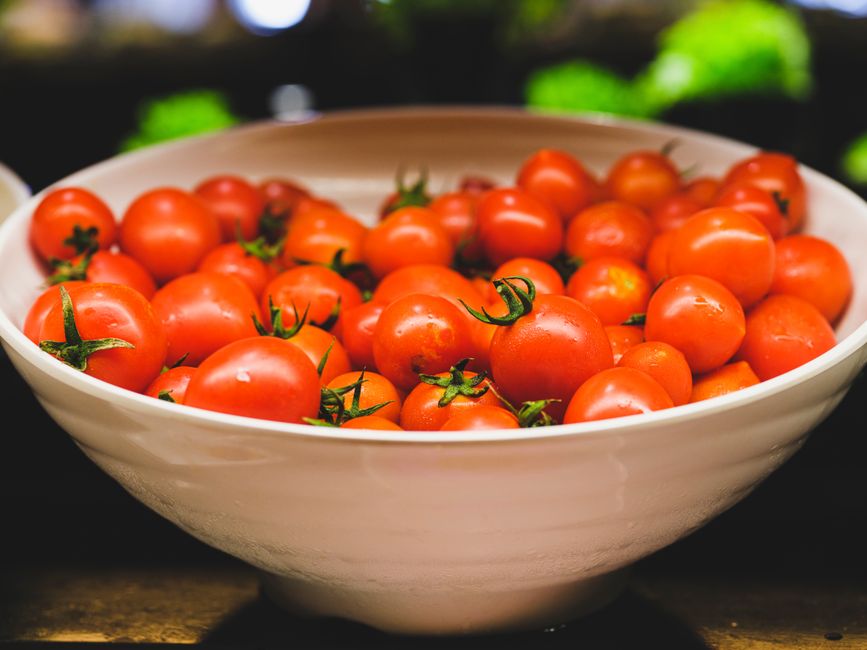
If you have ever felt uncomfortably bloated or gassy after eating a fresh tomato salad or a rich tomato sauce, you are not imagining it. The short answer is yes, tomatoes can cause gas and bloating in some people, but the reasons are not always obvious. For most people, tomatoes are well tolerated, but they contain specific sugars and fibers that are known to ferment in the gut, and for others, an intolerance or a reaction to their natural compounds is the real trigger.
What Is It in Tomatoes That Causes Gas?
Tomatoes contain a mix of carbohydrates that your small intestine does not fully absorb. These carbohydrates travel to your large intestine, where bacteria ferment them. That fermentation process produces gas as a byproduct. The main culprits are fructose and fiber, but the specific type of fiber matters too.
Fructose is a natural fruit sugar. Some people do not absorb fructose efficiently. When unabsorbed fructose reaches the colon, bacteria feed on it and release hydrogen gas. This can cause bloating, cramping, and flatulence. Tomatoes are not the highest-fructose fruit, but they contain enough to be a problem for people with fructose malabsorption.
The fiber in tomatoes is mostly insoluble fiber, which adds bulk to stool and helps with regularity. However, if you eat a large quantity of tomatoes in one sitting, that fiber can slow digestion and create a feeling of fullness that many people describe as bloating. The skin and seeds are the most fiber-dense parts.
Are Tomatoes High in FODMAPs?
FODMAP is an acronym for a group of short-chain carbohydrates that are poorly absorbed in the small intestine. The “M” stands for monosaccharides, which includes fructose. The “O” stands for oligosaccharides, which includes fructans. The “P” stands for polyols, which are sugar alcohols.
Tomatoes are considered a low-FODMAP food in moderate serving sizes. That means they are generally safe for people with irritable bowel syndrome (IBS) who follow a low-FODMAP diet. However, the serving size matters. A small tomato or half a cup of chopped tomato is typically fine. A large bowl of tomato soup or a big plate of pasta with heavy tomato sauce may push the FODMAP load over your personal threshold.
Some research suggests that the specific way tomatoes are prepared changes their FODMAP content. Concentrated products like tomato paste and sun-dried tomatoes have a higher concentration of sugars per serving, so they may be more likely to cause symptoms in sensitive individuals. Fresh, raw tomatoes in normal portions are less likely to be a problem.
Could It Be an Allergy or Intolerance Instead?
Gas and bloating are common symptoms of a food intolerance, but they can also be signs of a mild allergic reaction. These are different conditions with different mechanisms in the body.
A food intolerance means your digestive system cannot properly break down a component of the food. In the case of tomatoes, this could be the fructose or the fiber. An allergy involves the immune system. Tomato allergy is real but not common. Symptoms of a tomato allergy can include hives, itching, swelling of the lips or tongue, and in some cases, digestive symptoms like nausea, vomiting, or abdominal pain.
There is also a condition called oral allergy syndrome. This happens when proteins in raw fruits and vegetables resemble pollen proteins. If you are allergic to grass pollen, you might react to raw tomatoes. The reaction is usually limited to the mouth and throat, causing itching or tingling. Cooking tomatoes usually destroys the problematic proteins, which is why many people can eat cooked tomatoes without issue but react to raw ones.
If you experience gas and bloating along with skin symptoms, a runny nose, or mouth tingling, an allergy may be involved. If your symptoms are only digestive, intolerance or FODMAP sensitivity is more likely.




Do Tomatoes Cause Acid Reflux and Bloating Together?
Tomatoes are acidic, and they can trigger acid reflux in some people. Acid reflux itself does not directly cause gas, but the two can feel similar. Bloating is a sensation of fullness and pressure in the abdomen. Reflux is a burning sensation rising from the stomach into the chest or throat.
When you eat a meal heavy in tomato sauce, you are likely also eating other foods. Pasta, cheese, bread, and meat all take longer to digest than a simple tomato. The combination of a high-fat, high-carbohydrate meal with acidic tomatoes can slow stomach emptying. A full stomach puts pressure on the lower esophageal sphincter, which can cause reflux. That same slow digestion can produce gas as food sits longer in the digestive tract.
It is worth separating these symptoms. If you feel bloated and also have a burning sensation after a tomato-heavy meal, you may be dealing with two separate issues triggered by the same meal. Reducing portion sizes and eating slower often helps both.
How Much Tomato Is Too Much?
There is no universal threshold that applies to everyone. Tolerance varies significantly from person to person. Some people can eat tomatoes daily without any issue. Others feel bloated after a single cherry tomato.
For people with IBS, the low-FODMAP guidelines suggest a serving of about half a cup of chopped tomatoes is usually tolerated. This is not a medical prescription for everyone. It is a reference point. If you are sensitive, start with small amounts and gradually increase to find your personal limit.
Pay attention to how you eat tomatoes. Eating them with a meal that includes protein and fat slows digestion, which can reduce the rapid fermentation of sugars. Eating tomatoes alone on an empty stomach may cause more gas because the sugars reach the colon faster. Chewing thoroughly also helps because it breaks down fiber before it reaches the intestines.
Does Cooking Tomatoes Reduce Gas?
Cooking tomatoes changes their structure but does not remove fructose or fiber. The sugars remain, so cooking alone will not prevent gas in someone with fructose malabsorption. However, cooking does break down some of the fiber, making it easier to digest. This may reduce bloating for some people.
Roasting or slow-cooking tomatoes concentrates their sugars. A tomato sauce that simmers for hours has less water and a higher sugar concentration per spoonful than a raw tomato. This means cooked-down sauces may actually be worse for gas than fresh tomatoes in some cases.
There is no reliable evidence that adding certain herbs or spices to tomato dishes reduces gas production. Fennel, ginger, and peppermint are sometimes suggested for general digestive comfort, but no clinical study confirms they specifically counteract the gas-producing effects of tomatoes.
What Else Could Be Causing Your Bloating?
Before blaming tomatoes entirely, consider the full picture. Tomato dishes often include other common gas triggers. Onions and garlic are high in fructans, which are strong gas producers. They appear in nearly every tomato sauce recipe. If you eat a tomato pasta sauce containing onions and garlic, those ingredients may be the primary culprits, not the tomatoes.
Cheese and dairy can cause bloating in people with lactose intolerance. Bread and pasta contain wheat, which contains fructans. A full Italian meal is a combination of several potential gas triggers. Isolating tomatoes as the sole cause is difficult when they are part of a complex dish.
To test whether tomatoes are the issue, eat them alone. Have a simple salad with only tomatoes, olive oil, and salt. If you bloat after that, tomatoes are likely involved. If you only bloat after a full pasta dinner, the problem may be the meal as a whole, not the tomato component.
How to Reduce Gas and Bloating From Tomatoes
If you enjoy tomatoes but they cause discomfort, you do not necessarily have to eliminate them. A few practical adjustments can help.
- Start with small portions and increase gradually to build tolerance or identify your limit.
- Peel the tomatoes. The skin is the most fiber-dense part, and removing it can reduce the fiber load.
- Remove the seeds if you find they bother you. Seeds add fiber and can be harder to digest.
- Eat tomatoes with meals, not alone, to slow sugar absorption.
- Choose ripe tomatoes. Underripe tomatoes contain more resistant starch, which can be harder to digest.
- Try peeled, seeded, and cooked tomatoes in sauces to see if your symptoms improve.
If your symptoms are severe, persistent, or accompanied by unintended weight loss, blood in your stool, or vomiting, see a doctor. Occasional gas after a tomato-heavy meal is normal. Chronic digestive distress is not something to manage alone with dietary guesswork.
Frequently Asked Questions
Are tomatoes a common cause of gas?
Yes, tomatoes can cause gas in people who are sensitive to fructose or who eat them in large quantities. They are not the most common gas trigger, but they are a recognized one.
Do cooked tomatoes cause more gas than raw tomatoes?
Cooked tomatoes can cause more gas per serving because cooking concentrates their sugars. However, cooking breaks down fiber, which may help some people tolerate them better.
Can tomatoes cause bloating without an allergy?
Yes, bloating from tomatoes is usually digestive, not allergic. It comes from undigested fructose and fiber fermenting in the colon.
Are cherry tomatoes worse for gas than regular tomatoes?
Cherry tomatoes are not inherently worse, but people often eat many at once, which increases the total sugar and fiber load. Portion size matters more than the variety.
