

Bloating and gas are normal. They happen to almost everyone, usually after eating, and they usually pass. The discomfort comes from trapped gas, slowed digestion, or both. Most people can reduce bloating and gas naturally by changing a few eating habits, cutting back on specific foods, and addressing the underlying cause — whether that is swallowed air, fermented fiber, or a digestive condition like lactose intolerance.
What Actually Causes Bloating and Gas?
Gas in your digestive tract comes from two places: air you swallow and gas your gut bacteria produce.
Swallowed air is the simpler one. Eating fast, drinking through a straw, chewing gum, and carbonated drinks all push air into your stomach. Some of it comes back up as a burp. The rest travels down.
The second source is fermentation. Your large intestine is home to trillions of bacteria. When undigested carbohydrates reach them, the bacteria break those carbs down and release hydrogen, methane, and carbon dioxide. That process is normal. It only becomes a problem when it produces more gas than your body can comfortably move.
Bloating is slightly different from gas. Bloating is the feeling of fullness or pressure in your abdomen. It can happen with or without extra gas. Some people feel bloated because their gut is more sensitive to normal amounts of gas. Others feel it because of constipation, which slows everything down.
That distinction matters. If your problem is gas, the fix is often dietary. If your problem is bloating without much gas, the answer may lie elsewhere — in gut sensitivity, constipation, or a condition like irritable bowel syndrome.
How to Stop Bloating and Gas Naturally: What Works
The most effective natural steps target the source of the gas. Here is what the evidence supports.
Slow down when you eat
Eating quickly means swallowing more air. Chewing thoroughly and putting your fork down between bites reduces how much air reaches your gut. This is simple and it genuinely helps.
Cut back on carbonated drinks
Fizzy drinks add gas directly. If you are bloated often and drink soda or sparkling water daily, this is an easy variable to test.
Limit sugar alcohols and certain fibers
Some carbohydrates are poorly absorbed and ferment heavily in the colon. The main culprits include:
- Lactose — found in milk and some dairy
- Fructose — especially in excess, from fruit juice and sweeteners
- Sorbitol, mannitol, and xylitol — sugar alcohols in sugar-free gum and candy
- Raffinose — found in beans, cabbage, and broccoli
- Fiber — particularly added fiber, if you increase it too fast
You do not need to avoid all of these. The goal is to find which ones trigger your symptoms.
Try a low-FODMAP approach short term
FODMAPs are fermentable carbohydrates that feed gut bacteria. A low-FODMAP diet restricts them for a period, then reintroduces them one at a time to identify triggers. Research consistently shows this approach reduces symptoms in many people with irritable bowel syndrome.
It is not meant to be permanent. A low-FODMAP diet is restrictive and can reduce beneficial gut bacteria if followed long term. It is best done with guidance from a dietitian, especially during the reintroduction phase.
Address constipation
If you are not having regular bowel movements, gas and bloating build up. Fiber, fluids, and movement help. So does treating constipation directly if it is chronic.
Consider peppermint oil
Some studies suggest peppermint oil capsules reduce bloating and abdominal pain, likely by relaxing the muscles of the gut. The evidence is moderate, not overwhelming. Enteric-coated capsules are used because they release the oil lower in the digestive tract, which may reduce heartburn. Peppermint oil can worsen reflux in some people.
Move your body
Walking after meals helps move gas through the digestive tract. This is not a cure, but gentle movement supports normal digestion and can ease discomfort.
Which Foods Cause the Most Gas?
Not everyone reacts to the same foods. Gas production depends on your gut bacteria, which are unique to you. Still, some foods are common offenders.
| Food group | Examples | Why it causes gas |
|---|---|---|
| Beans and legumes | Black beans, lentils, chickpeas | Contain raffinose, a fiber humans cannot digest |
| Cruciferous vegetables | Broccoli, cabbage, cauliflower | Contain fermentable fibers and sulfur compounds |
| Dairy | Milk, soft cheese, ice cream | Lactose, if you are lactose intolerant |
| Sugar-free products | Gum, candy, some protein bars | Sugar alcohols ferment in the colon |
| Carbonated drinks | Soda, sparkling water, beer | Add gas directly to the stomach |
| High-fructose fruits | Apples, pears, watermelon | Fructose is poorly absorbed by some people |
Beans get a bad reputation, but they are also one of the healthiest foods you can eat. Soaking them and cooking them thoroughly reduces their gas-producing potential. Some people also find that starting with small portions and increasing slowly helps their gut adjust.

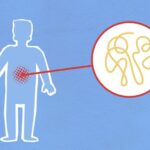



When Is Bloating a Sign of Something More Serious?
Most bloating is harmless. But some patterns deserve medical attention.
See a doctor if you have:
- Bloating that is new and persistent, especially after age 50
- Unintentional weight loss
- Blood in your stool or black, tarry stools
- Vomiting, especially if it looks like coffee grounds
- Severe abdominal pain or tenderness
- Bloating that does not improve with dietary changes
- Diarrhea or constipation that lasts for weeks
These can signal conditions like celiac disease, inflammatory bowel disease, or in rare cases, ovarian cancer. Ovarian cancer is sometimes called a silent disease because its early symptoms — bloating, fullness, and pelvic pressure — are easy to dismiss. Persistent bloating that is new and does not go away is worth a conversation with your doctor.
This is not meant to alarm you. Most people with these symptoms do not have cancer. But bloating that is unusual for you and does not resolve should be checked.
What About Probiotics and Digestive Enzymes?
The evidence here is mixed.
Probiotics are live bacteria. In theory, they could shift your gut bacteria in a direction that produces less gas. In practice, results vary widely. Some studies show benefit for specific strains and specific conditions. Others show no difference from placebo. The effects appear to be strain-specific and person-specific. No single probiotic has been shown to reliably reduce bloating in everyone.
Digestive enzymes are sold for bloating, but the evidence is limited. Lactase supplements help people who are lactose intolerant, because they replace the enzyme their body does not make. Beyond that, most enzyme products have not been well studied for gas reduction.
Be skeptical of any product that claims to “cure” bloating. If a supplement worked reliably for everyone, it would not be a supplement.
Can Stress and Eating Habits Make Bloating Worse?
Yes, and the connection is real.
Your gut and brain are in constant communication through what is called the gut-brain axis. Stress does not create gas, but it can change how your gut moves and how sensitive you are to what is happening inside it. People under chronic stress often report more bloating and discomfort even when their gas production has not changed.
Eating habits matter too. Eating while distracted, rushed, or anxious tends to mean faster eating and more swallowed air. Mindful eating — sitting down, slowing down, and paying attention to your food — is not a gimmick. It addresses a real mechanism.
Regular sleep and physical activity also support normal digestion. None of this is dramatic. It is the boring stuff that works.
Frequently Asked Questions
What is the fastest way to get rid of bloating and gas?
Walking and gentle movement help gas move through your system, and avoiding carbonated drinks and gas-producing foods for a day or two can ease symptoms. There is no instant fix — trapped gas has to pass on its own.
Do probiotics help with bloating and gas?
The evidence is mixed, and effects appear to depend on the specific strain and the person. Some people notice improvement, but no probiotic has been shown to reliably reduce bloating in everyone.
Why do I get bloated after eating even small meals?
Small meals can still trigger bloating if they contain a food your gut ferments heavily, or if your gut is unusually sensitive to normal gas. Constipation can also cause bloating regardless of meal size.
When should I see a doctor about bloating?
See a doctor if bloating is new and persistent, comes with weight loss, blood in your stool, severe pain, or does not improve with dietary changes. Persistent bloating that is unusual for you is worth checking.
