
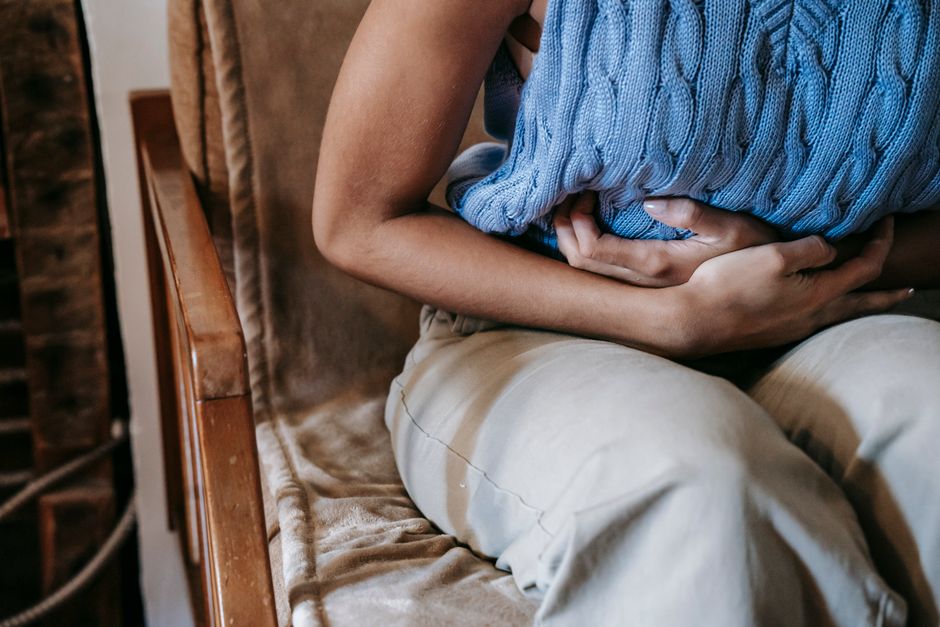
Bloating can be one of the earliest signs of pregnancy, often appearing before a missed period. Many women notice abdominal swelling and gas pressure as early as one to two weeks after conception. This happens because of a rapid rise in the hormone progesterone, which slows down the digestive system. While bloating alone does not confirm pregnancy, it is a common early symptom that many women experience.
How Early Can Pregnancy Bloating Start?
Bloating can begin very early in pregnancy, often before you even take a home pregnancy test. The timeline depends on when the fertilized egg implants in the uterus, which typically happens 6 to 10 days after ovulation. Once implantation occurs, your body starts producing human chorionic gonadotropin, or hCG, the hormone that pregnancy tests detect.
Progesterone levels also rise quickly after ovulation and continue climbing if pregnancy occurs. This hormonal shift affects the muscles in your digestive tract. The intestines slow down, and food moves through more slowly. That slowdown allows gas to build up, which causes that full, tight, and sometimes painful bloated feeling.
Some women notice bloating within days of conception. Others do not feel it until several weeks into the pregnancy. Both situations are normal. The timing varies from person to person and from one pregnancy to the next.
Why Does Pregnancy Cause Bloating?
Progesterone is the main driver of pregnancy bloating. This hormone relaxes smooth muscle tissue throughout the body, including the muscles in the gastrointestinal tract. When these muscles relax, the digestive process slows down significantly. Food stays in the stomach and intestines longer than usual.
That extended transit time has two effects. First, it gives your body more time to absorb nutrients from food, which benefits the developing embryo. Second, it allows more gas to accumulate in the intestines. The result is abdominal distension, pressure, and frequent flatulence.
Bloating typically worsens as pregnancy progresses. In the first trimester, progesterone is the primary cause. In the second and third trimesters, the growing uterus takes over. As the uterus expands, it presses against the intestines and stomach, which can make bloating and indigestion more noticeable.
Constipation often accompanies pregnancy bloating for the same reason. The slowed digestive tract means waste moves through more slowly, and the colon absorbs more water from it. Harder stools and less frequent bowel movements are common pregnancy complaints that go hand in hand with bloating.
Bloating vs. Other Early Pregnancy Symptoms
Bloating rarely happens in isolation. Most women who experience early pregnancy bloating also notice other symptoms. The combination of symptoms is often more telling than any single one.
Common early pregnancy symptoms that frequently appear alongside bloating include:
- Tender, swollen, or heavy breasts
- Mild cramping similar to menstrual cramps
- Light spotting known as implantation bleeding
- Fatigue and unusual tiredness
- Nausea, with or without vomiting
- Frequent urination
- Changes in taste or smell sensitivity
- Mood swings
Bloating alone is not a reliable pregnancy indicator. Many non-pregnant women experience bloating during the luteal phase of their menstrual cycle, the time between ovulation and their period. Premenstrual syndrome produces the same hormonal shifts and digestive slowdown. That is why bloating before a period and bloating in early pregnancy feel nearly identical.
The key difference is persistence. PMS bloating typically resolves when your period starts. If your period does not arrive and bloating continues, that is when pregnancy becomes a real possibility.





Can You Tell the Difference Between PMS Bloating and Pregnancy Bloating?
No, you cannot reliably tell the difference based on the bloating itself. The sensation, location, and severity of bloating are essentially the same in both situations. Both involve elevated progesterone and slowed digestion.
Some women report that pregnancy bloating feels more intense or starts earlier in their cycle than usual. Others say they feel no difference at all. Anecdotal reports vary widely, and no clinical evidence supports the idea that pregnancy bloating feels distinctly different from PMS bloating.
The only way to confirm pregnancy is a positive pregnancy test. Home pregnancy tests are highly accurate when used correctly. For the most reliable result, wait until the first day of your missed period or about 14 days after ovulation. Testing too early can produce a false negative because hCG levels may still be too low to detect.
If you get a negative test but your period does not arrive, wait a few days and test again. If you continue to get negative results and your period still has not come, consult a healthcare provider. There are other reasons for a missed period beyond pregnancy, including stress, hormonal imbalances, and thyroid conditions.
How Long Does Pregnancy Bloating Last?
Early pregnancy bloating can last for several weeks. For many women, it peaks during the first trimester and then improves as hormone levels stabilize. The second trimester often brings some relief, although bloating rarely disappears completely.
In the third trimester, bloating often returns with more intensity. The growing uterus compresses the abdominal organs, and digestion slows even further. Many pregnant women describe feeling full after eating only a small amount of food during this stage.
Bloating can also come and go throughout the day. It is often worse in the evening after a full day of eating. Some women find that bloating is most noticeable after meals or at the end of the day when gas has had time to accumulate.
For women who do not become pregnant, bloating typically resolves within a day or two of their period starting. The drop in progesterone allows the digestive tract to return to its normal pace.
Does Bloating Mean You Are Pregnant?
No. Bloating alone does not mean you are pregnant. It is a common symptom of pregnancy, but it is also a common symptom of the normal menstrual cycle, dietary choices, and many digestive conditions.
Foods high in sodium, complex carbohydrates, and artificial sweeteners can cause bloating in anyone. Swallowing air while eating or drinking quickly also contributes. Irritable bowel syndrome, lactose intolerance, and celiac disease can all produce chronic bloating that has nothing to do with pregnancy.
If you are trying to conceive, it is easy to interpret every symptom as a possible sign of pregnancy. This is understandable, but it is not reliable. The most accurate approach is to track your cycle, note when your period is due, and take a pregnancy test if it does not arrive.
If you are not trying to conceive, bloating should not cause alarm. It is a normal bodily function. However, if bloating is severe, persistent, or accompanied by pain, fever, or changes in bowel habits, seek medical advice. These symptoms may indicate a condition that needs evaluation.
What Can Help With Pregnancy Bloating?
Several strategies can reduce bloating discomfort during pregnancy. None of these eliminate bloating completely, but they can make it more manageable.
Eating smaller, more frequent meals helps. Large meals sit in the stomach longer and produce more gas. Smaller portions are easier for the slowed digestive system to process.
Drinking plenty of water is also important. It may seem counterintuitive, but staying hydrated helps prevent constipation, which worsens bloating. Water softens stool and keeps things moving through the digestive tract.
Gentle physical activity, like walking, can stimulate digestion. Movement helps gas pass through the intestines more quickly. Even a short walk after meals can make a difference.
Some foods are known to produce more gas than others. Beans, lentils, broccoli, cabbage, onions, and carbonated drinks are common culprits. You do not need to eliminate these foods entirely, but reducing them may ease bloating.
Over-the-counter gas relief products containing simethicone are generally considered safe during pregnancy, but always check with your healthcare provider before taking any medication while pregnant. Some laxatives and antacids are not recommended during pregnancy. Your doctor or midwife can advise you on what is safe for your specific situation.
When Should You Take a Pregnancy Test?
The best time to take a home pregnancy test is after your period is late. Most home tests can detect hCG in urine about 12 to 14 days after conception, which is roughly when your period would be due.
Testing earlier than this increases the chance of a false negative. If you test too early, your body may not have produced enough hCG yet for the test to detect. If you get a negative result but your period still does not come, wait three to five days and test again.
Blood tests performed by a doctor can detect pregnancy earlier than urine tests, sometimes as soon as 6 to 8 days after ovulation. However, these tests are not usually necessary unless there are medical concerns or you need confirmation for other reasons.
If you are experiencing bloating and other early pregnancy symptoms, the most direct way to get answers is to take a test. A single test on the first day of a missed period is about 99 percent accurate when used correctly.
Frequently Asked Questions
How soon after conception does bloating start?
Bloating can start as early as one to two weeks after conception, around the time of implantation. Some women notice it before their missed period, while others do not feel it until later in the first trimester.
Is bloating a reliable sign of pregnancy?
No, bloating alone is not a reliable sign of pregnancy. It occurs in the normal menstrual cycle and many other conditions, so a pregnancy test is the only way to confirm pregnancy.
Can pregnancy bloating last the entire pregnancy?
Yes, some women experience bloating throughout all three trimesters. It often peaks in the first trimester, improves somewhat in the second, and returns in the third as the uterus presses on the digestive organs.
Does pregnancy bloating feel different from period bloating?
There is no reliable difference in how the bloating feels. Both are caused by similar hormonal changes, so the sensation is largely the same. Timing and persistence are the only distinguishing factors.
