
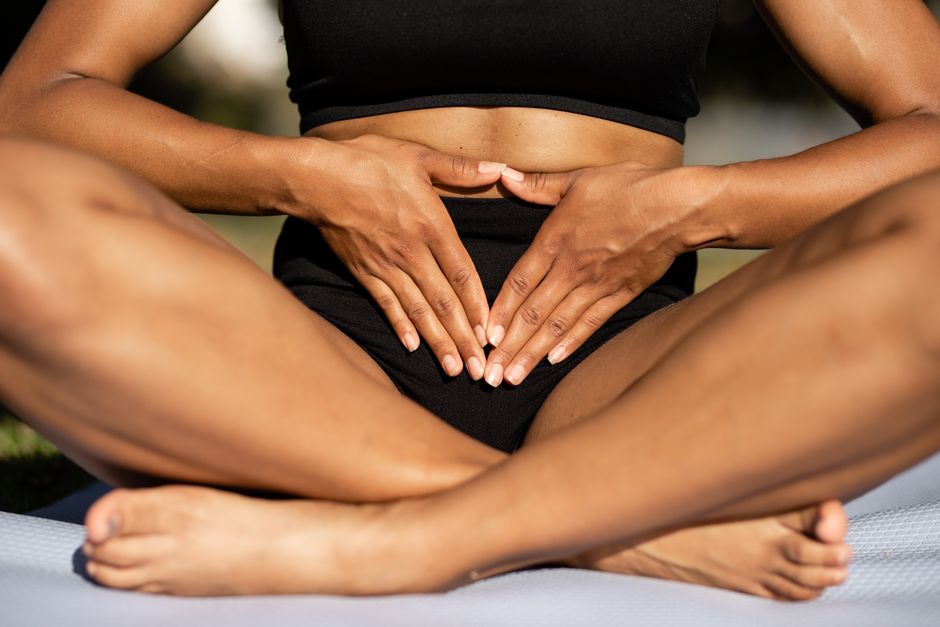
Bladder spasms feel like a sudden, urgent squeeze that comes out of nowhere and demands a bathroom right now. The medical term is detrusor overactivity — the muscle that surrounds your bladder contracts when it should be relaxed. The fastest natural relief usually comes from retraining that muscle and calming the nervous system signals that trigger it, rather than reaching for a pill. Some people get meaningful improvement in a few weeks with bladder training, pelvic floor exercises, and cutting specific irritants from their diet.
What Actually Causes Bladder Spasms?
The bladder wall is wrapped in a muscle called the detrusor. When you urinate, the detrusor contracts while the sphincter at the bottom of the bladder relaxes. A spasm is that detrusor muscle contracting at the wrong time, before your bladder is full or when you have no intention of going.
Several things can set this off. The most common is an overactive bladder, a condition where nerve signals between the bladder and brain become misfiring or overactive. Pelvic floor muscles that are too tight rather than too weak can also irritate the bladder and mimic spasms. So can urinary tract infections, bladder stones, and, in men, an enlarged prostate pressing on the bladder outlet.
Nerve damage matters too. Conditions that affect the spinal cord or the nerves feeding the bladder — including diabetes-related neuropathy and neurological disease — are well-established causes of detrusor overactivity. This is why a spasm that starts suddenly with no prior history deserves a medical workup rather than a home remedy.
One detail worth knowing: tight pelvic floor muscles and weak pelvic floor muscles can produce similar symptoms but need opposite treatments. Kegels help a weak floor. They can make a tight floor worse. A pelvic floor physical therapist can tell the difference, and this distinction is often missed.
How Do You Stop Bladder Spasms Fast?
The single fastest non-drug technique is a deliberate distraction and urge-suppression routine. When the urge hits, don’t bolt for the bathroom. Stop, stay still, and do rapid pelvic floor squeezes — sometimes called “the knack” — to send a signal that overrides the urgency. Then breathe slowly and wait for the wave to pass. Urges typically rise, peak, and fall rather than building forever.
This works because the urge is partly a learned loop. The brain learns that urgency leads to a bathroom trip, which reinforces the pattern. Breaking the loop in the moment weakens it over time.
Cold or cool water on the wrists or face, and slow diaphragmatic breathing, can help some people ride out an episode. These are comfort measures with limited formal study behind them, but they carry no risk and many people find them useful while the longer-term work takes effect.
What does not work fast: cutting fluids to near zero. Concentrated urine is more irritating to the bladder lining, and dehydration tends to make urgency worse, not better.
Does Bladder Training Really Work?
Yes. Bladder training is one of the best-supported non-drug treatments for overactive bladder and urgency. It is a structured program, not just “holding it longer.”
The general approach is to urinate on a fixed schedule — starting at an interval you can manage without accidents — and then gradually extend that interval as your bladder tolerates it. Over weeks, the bladder learns to hold more before signaling urgency.
The key is gradual extension, not heroic holding. Stretching the interval too fast triggers more spasms, not fewer. A clinician or continence nurse can set a starting schedule and a realistic pace. For many people this is the backbone of natural management, and the evidence for it is stronger than for most supplements marketed for bladder health.




Which Foods and Drinks Trigger Bladder Spasms?
Diet is a real lever, though the effect varies a lot between people. Certain substances are known bladder irritants and are commonly implicated in urgency and frequency.
- Caffeine — coffee, tea, energy drinks, some sodas
- Alcohol
- Carbonated drinks, including sparkling water
- Artificial sweeteners, especially those containing aspartame or saccharin
- Citrus fruits and juices
- Tomatoes and tomato-based foods
- Spicy foods
- Chocolate
The honest position: not everyone reacts to all of these. The evidence for individual triggers is largely based on patient reports and clinical observation rather than large controlled trials. The practical move is an elimination trial — remove the most common offenders for two to three weeks, then reintroduce one at a time and note what changes.
A bladder diary makes this far more useful than memory. Track what you drink, when you urinate, and when urgency hits. Patterns that are invisible day to day often show up clearly over a week or two.
Can Pelvic Floor Exercises Calm a Spasm?
They can, but the type matters. A pelvic floor physical therapist can assess whether your floor is weak, tight, or uncoordinated, and prescribe accordingly.
For a weak or uncoordinated floor, Kegel exercises build strength and control. For a tight or overactive floor, the goal is the opposite — relaxation and down-training, sometimes with breathing work and manual therapy. Doing Kegels on a tight floor can increase symptoms.
Pelvic floor therapy for overactive bladder has reasonable evidence behind it, particularly when combined with bladder training. It is not a quick fix. Expect weeks to months of consistent work, not days.
Do Natural Supplements Help Bladder Spasms?
This is where honesty matters most, because the supplement market for bladder health is crowded and the evidence is thin.
Some small studies have looked at compounds like pumpkin seed extract, soy germ, and certain herbal blends for urinary symptoms. Results have been mixed, sample sizes small, and study quality variable. No supplement has the kind of large, replicated trial evidence that bladder training does.
That does not mean none of them work. It means the evidence is not strong enough to state that they do. If you try one, treat it as an experiment with a clear start and end date, and tell your clinician — some interact with medications or are unsafe with certain conditions.
Be skeptical of any product claiming to “cure” overactive bladder or to work within days. That is not how detrusor overactivity behaves.
When Should You See a Doctor Instead?
Some bladder symptoms are not something to manage at home. See a clinician promptly if you have:
- Blood in your urine
- Pain or burning when you urinate
- Fever with urinary symptoms
- Sudden inability to urinate
- Symptoms that started abruptly with no prior history
- New bladder symptoms alongside weakness, numbness, or back pain
These can point to infection, stones, or nerve problems that need medical treatment. Natural approaches work best for overactive bladder and urgency, not for these causes.
For persistent symptoms without red flags, a primary care clinician or urologist can confirm the diagnosis and rule out other conditions. Natural strategies and medical treatment are not mutually exclusive. Many people use bladder training and lifestyle changes alongside prescribed therapy.
Frequently Asked Questions
How can I stop bladder spasms naturally and fast?
The fastest natural method is urge suppression — staying still, doing quick pelvic floor squeezes, and breathing slowly until the urge passes instead of rushing to the bathroom. Bladder training and pelvic floor therapy build on this for lasting improvement over weeks.
What foods trigger bladder spasms?
Caffeine, alcohol, carbonated drinks, artificial sweeteners, citrus, tomatoes, spicy foods, and chocolate are the most commonly reported triggers. Reactions vary between people, so an elimination trial with a bladder diary is the most reliable way to find your own triggers.
Can pelvic floor exercises make bladder spasms worse?
Yes, if your pelvic floor is already tight rather than weak. Kegels strengthen a weak floor but can aggravate a tight one, so an assessment by a pelvic floor physical therapist matters before starting.
How long does it take for bladder training to work?
Most people notice some improvement within a few weeks and more substantial change over several months of consistent practice. Progress depends on how gradually the interval is extended and how regularly the program is followed.
