
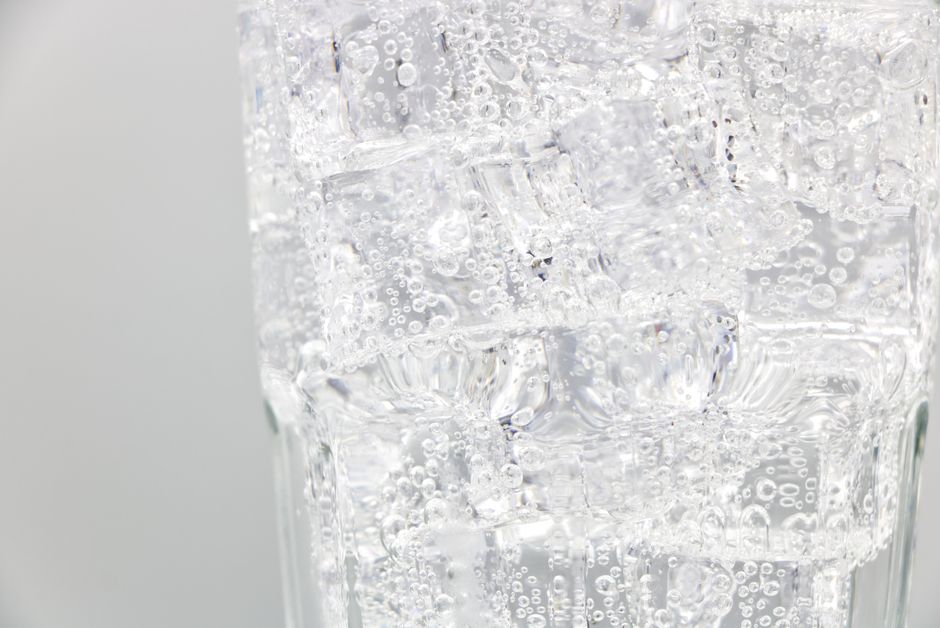
Making your own carbonated water at home is simpler than you might think, and it doesn’t require expensive machines or complicated chemistry. You can create fizzy, refreshing sparkling water using a few basic methods, from a manual soda siphon to a home carbonation system that uses CO₂ canisters. The most practical way to add natural carbonation is by dissolving pressurized carbon dioxide gas into cold water, a process called carbonation. This guide explains the safe, effective ways to do it yourself, what equipment you actually need, and what to avoid.
How To Naturally Carbonate Water At Home: What Does “Natural” Actually Mean?
First, let’s clear up a common point of confusion. All carbonated water — whether bottled in a factory or made in your kitchen — gets its bubbles from the same source: carbon dioxide gas (CO₂). When CO₂ dissolves in water under pressure, it forms carbonic acid. That mild acid is what gives sparkling water its slight tang and its fizz.
So when we talk about “naturally” carbonating water at home, we mean you are doing the process yourself without relying on commercial bottling plants. You are not using artificial sweeteners, flavors, or additives. You are simply forcing plain CO₂ into filtered water. The result is clean, additive-free sparkling water that you control completely.
There is no chemical trick or kitchen hack that will create carbonation without CO₂. Fermentation can produce some fizz, but it also produces alcohol and changes the flavor dramatically. For plain sparkling water, pressurized CO₂ is the only practical method.
What Equipment Do You Need for Home Carbonation?
You have three main equipment options. Each works differently, and each has its own pros and cons.
Home Carbonation Machines (Soda Makers)
These are the most popular choice. A countertop soda maker uses a small CO₂ cylinder that you insert into the machine. You fill a reusable bottle with cold water, attach it to the machine, and press a button to inject gas. Most machines let you control the fizz level by how many times you press.
These systems are reliable and consistent. The CO₂ cylinders are widely available at hardware stores and supermarkets. Many brands offer exchange programs where you swap your empty cylinder for a full one. The main ongoing cost is the CO₂ refills, not the machine itself.
Manual Soda Siphons
A soda siphon is a metal or heavy-duty plastic bottle with a sealed top. You fill it with cold water, screw on the head, and insert a small CO₂ cartridge. The cartridge releases gas into the water when you pierce it. You shake the siphon briefly, and the water carbonates.
Siphons are portable and require no electricity. They are ideal for making single batches. The downside is that each cartridge carbonates only about one liter of water, so the per-glass cost is higher than a larger machine. Siphons also lose pressure over time, so you should drink the water within a day or two.
CO₂ Tank Systems with Regulators
This is the more advanced route. You buy a larger CO₂ tank (similar to what is used for draft beer) and connect it to a carbonation cap or a dedicated bottle with a regulator. The regulator controls how much gas enters the water.
This method is the most economical if you drink sparkling water daily. The upfront cost is higher, and you need space for the tank. You also need to understand how to handle compressed gas safely. If you choose this route, buy a regulator designed for food-grade CO₂ and never use industrial-grade gas.
Step-by-Step: How to Use a Soda Maker Properly
Using a countertop soda maker is straightforward, but small mistakes can ruin your batch. Here is the correct process.
- Start with very cold water. CO₂ dissolves far better in cold liquid than warm liquid. Refrigerate your water until it is below 40°F (about 4°C). Some machines recommend chilling the bottle itself too.
- Fill the bottle to the fill line. Do not overfill. The gas needs headspace to mix properly.
- Attach the bottle firmly. A loose seal means gas escapes and you get flat water.
- Press the carbonation button. Most machines require 2–3 short presses for light fizz and 5–6 for strong bubbles. Start with fewer presses until you learn your machine’s settings.
- Remove the bottle gently. Do not shake it while it is attached. Shaking after carbonation can cause sudden pressure release and messy spills.
Drink the water soon after making it. Home-carbonated water loses its fizz faster than commercial bottled water because commercial processes use higher pressure and specialized sealing. Expect your homemade sparkling water to stay fizzy for a few hours if refrigerated in a sealed bottle.





Can You Carbonate Water Without a Machine?
People often ask if there is a way to make sparkling water using only household items. The honest answer is no, not in a practical or safe way.
Some internet videos suggest using yeast or fermentation to create bubbles. That produces carbon dioxide, yes, but it also produces alcohol and changes the water into a fermented beverage. It is not sparkling water. Other videos suggest shaking water in a bottle with baking soda and vinegar. That reaction creates CO₂, but it also leaves behind salt and other byproducts. The resulting liquid is not safe or pleasant to drink as plain water.
There is no safe, additive-free way to create carbonation without pressurized CO₂ from a food-grade source. If you see a claim promising otherwise, it is either inaccurate or unsafe.
Is Home-Carbonated Water as Healthy as Store-Bought?
Yes, in most cases it is healthier because you control what goes in it. Plain carbonated water has no calories, no sugar, and no artificial ingredients. The carbonation process itself does not change the nutritional value of water.
One thing to know: carbonated water is slightly more acidic than still water because of the carbonic acid formed when CO₂ dissolves. This has led to concerns about tooth enamel. Research indicates that plain sparkling water is significantly less erosive to enamel than sugary sodas or citrus-flavored drinks. If you are concerned, drink it with meals and avoid sipping it constantly throughout the day.
There is also a common myth that carbonated water leaches calcium from bones. Studies have not found this to be true for plain carbonated water. The concern comes from cola drinks, which contain phosphoric acid and have been associated with lower bone density. Plain sparkling water does not contain phosphoric acid.
What About Flavoring Your Homemade Sparkling Water?
Once you have your base sparkling water, you can add natural flavor without adding sugar or chemicals. The best time to add flavor is after carbonation, not before. Adding juice or extracts before carbonating can cause excessive foaming and reduce the fizz.
Simple options include:
- A squeeze of fresh lemon, lime, or orange
- A few crushed mint leaves or basil
- A slice of cucumber
- A splash of pure fruit juice (no added sugar)
- A drop of food-grade essential oil — but only if the label explicitly states it is safe for ingestion
These additions keep your drink natural while giving it variety. Avoid flavored syrups sold for soda makers if you want to stay additive-free. Many of those syrups contain artificial sweeteners and preservatives.
Safety Tips and Common Mistakes
Home carbonation is safe when you follow the equipment instructions. Here are the mistakes most people make.
Using warm water. Warm water cannot hold as much CO₂. Your drink will be flat, and you will waste gas. Always start with refrigerated water.
Over-carbonating. Adding too much gas creates excessive pressure. This can cause the bottle to spray when opened or, in rare cases, damage the bottle. Follow your machine’s recommended number of presses.
Carbonating liquids other than water. Soda makers are designed for water. Juices, teas, and sports drinks have different viscosities and sugar content. Carbonating them can cause foaming, clogging, or damage to the machine. Some newer machines claim to handle other liquids, but check your specific model’s manual before trying.
Ignoring CO₂ cylinder handling. CO₂ cylinders are under high pressure. Store them upright in a cool place. Do not puncture or incinerate them. When exchanging cylinders, make sure you are getting food-grade CO₂.
Using glass bottles with carbonation caps. Only use bottles rated for pressure. Regular glass bottles can shatter under carbonation pressure. If you use a carbonation cap system, buy the specifically designed bottles that match the cap.
Cost Comparison: Is Home Carbonation Cheaper?
Over time, home carbonation is usually cheaper than buying commercial sparkling water. The initial investment ranges from about $50 for a basic siphon to $150–$300 for a countertop machine. CO₂ refills cost roughly $15–$30 depending on your region and the exchange program.
Each CO₂ cylinder typically produces 60–100 liters of sparkling water, depending on the system and your fizz level. That works out to roughly 25–50 cents per liter, compared to $1–$3 per liter for store-bought sparkling water. The savings grow the more you drink.
There is also an environmental benefit. You eliminate plastic bottles and glass bottles, and you reduce the emissions from transporting heavy bottled water. If you drink sparkling water regularly, the equipment pays for itself within a few months.
Frequently Asked Questions
Is home carbonated water as fizzy as store-bought?
Home systems produce good fizz, but it fades faster than commercial brands because home machines use lower pressure. Drink it within a few hours for the best bubbles.
Can I carbonate flavored water in a soda maker?
No, most machines are designed for plain water only. Add flavor after carbonation to prevent foaming and machine damage.
Does carbonated water dehydrate you?
No. Carbonated water hydrates just like still water. The bubbles do not affect your body’s ability to absorb and use the water.
Is it safe to drink home-carbonated water every day?
Yes. Plain carbonated water is safe for daily consumption. The carbonation does not change the health benefits of water itself.
