
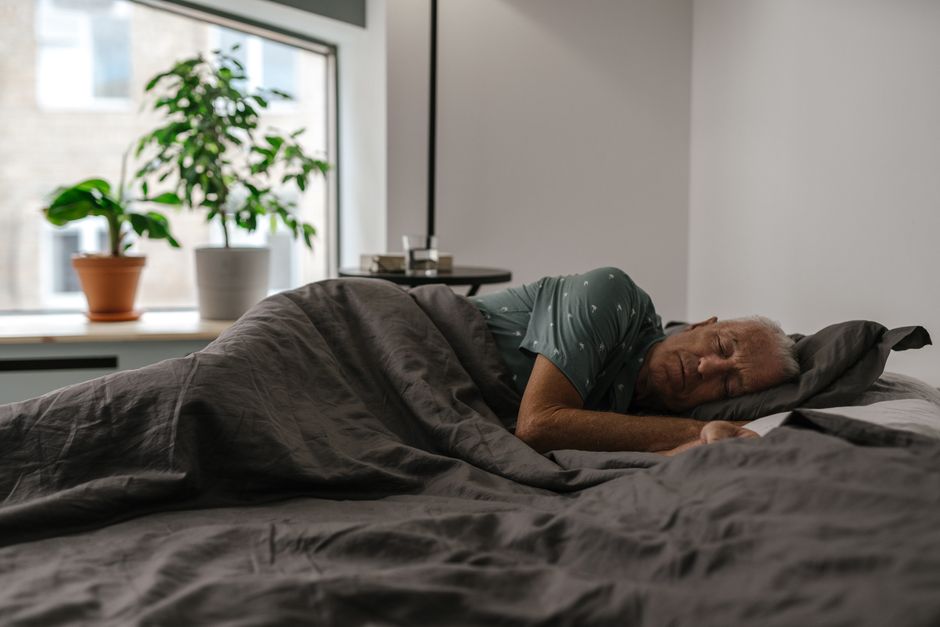
Getting enough REM sleep is about more than just feeling rested. It is the stage where your brain processes emotions, consolidates memories, and supports creative thinking. Most adults need about 90 to 120 minutes of REM sleep per night, spread across four to six cycles. If you wake up groggy or forgetful, you may not be getting enough of this critical stage. The most effective natural strategies involve regulating your circadian rhythm, managing your sleep environment, and addressing lifestyle habits that fragment your sleep cycles.
What Is REM Sleep and Why Does It Matter?
REM stands for rapid eye movement. During this stage, your eyes dart back and forth under closed lids, your brain activity increases to near-waking levels, and most dreaming occurs. Your body is temporarily paralyzed during REM to prevent you from acting out your dreams.
This stage plays a central role in memory consolidation. Research consistently shows that REM sleep helps transfer information from short-term to long-term memory. It also supports emotional regulation. When you are sleep-deprived, your amygdala — the brain’s emotional center — becomes hyperactive, which explains why poor sleep makes you more irritable.
REM sleep typically begins about 90 minutes after you fall asleep. The first REM period is short, often lasting only 10 minutes. As the night progresses, REM periods lengthen, with the longest ones occurring in the early morning hours. This means your final hours of sleep are disproportionately important for REM.
How To Increase REM Sleep Naturally Each Night
You cannot force your brain into REM sleep directly. But you can create the conditions that allow it to happen naturally. The most reliable method is protecting your sleep architecture — the natural progression through light, deep, and REM stages throughout the night.
Your sleep cycles repeat every 90 minutes or so. Anything that fragments these cycles — like waking up to use the bathroom or checking your phone — resets the clock and reduces your chances of reaching the longer REM periods later in the night. The goal is uninterrupted sleep, not just more total hours.
Alcohol is one of the most significant suppressors of REM sleep. Even one drink close to bedtime can reduce REM duration. Alcohol increases deep sleep early in the night but suppresses REM, particularly in the second half of the night. If you want more REM, avoid alcohol for at least three hours before bed.
Consistency matters more than most people realize. Going to bed and waking at the same time every day — including weekends — anchors your circadian rhythm. A stable rhythm makes your body release melatonin at the right time and keeps your sleep cycles regular.
Does Sleep Position Affect REM Sleep?
Sleep position has a modest but real effect on overall sleep quality, which indirectly affects REM. Sleeping on your back is often associated with fewer sleep disruptions for most people. However, back sleeping can worsen snoring and sleep apnea, which fragments sleep and reduces REM.
Side sleeping, particularly on your left side, is commonly recommended for people with acid reflux or snoring. These conditions interrupt sleep cycles and reduce REM duration. If you snore regularly or wake up gasping, talk to a doctor about sleep apnea testing. Untreated sleep apnea is one of the most common medical causes of REM suppression.
The best position is the one that keeps you asleep without waking. If you move frequently during the night, your sleep is likely fragmented regardless of position. A supportive mattress and pillow that keep your spine aligned can reduce tossing and turning.





Can Supplements or Foods Increase REM Sleep?
Some supplements show promise for improving sleep quality, but the evidence for specifically increasing REM is limited. Melatonin is the most studied sleep supplement. It helps you fall asleep faster, but research on whether it increases REM duration is mixed. Some studies suggest it may slightly increase REM, while others find no effect.
Magnesium is another popular sleep aid. Some research indicates that magnesium supplementation can improve sleep quality in older adults, particularly those with low magnesium levels. However, no large clinical trials have confirmed that magnesium specifically increases REM sleep.
Foods rich in tryptophan — like turkey, eggs, and dairy — provide the building block for serotonin and melatonin. Eating a light evening snack with protein and complex carbohydrates may support sleep onset. Heavy meals close to bedtime disrupt sleep, so keep evening meals moderate in size.
Be cautious with over-the-counter sleep aids. Many contain antihistamines like diphenhydramine, which can make you drowsy but may reduce REM sleep. The evidence does not support these medications as a way to increase REM. They are intended for short-term use only.
How Light Exposure and Temperature Affect REM
Light is the strongest cue for your internal body clock. Bright light in the morning helps anchor your circadian rhythm and promotes earlier melatonin release at night. Morning sunlight exposure within an hour of waking has been shown to improve sleep quality and regularity.
Evening light is equally important. Blue light from phones, tablets, and computers suppresses melatonin production and delays sleep onset. This delay shifts your entire sleep schedule later, which can reduce the amount of REM you get before your alarm goes off. Dimming lights and putting away screens one to two hours before bed helps preserve your natural melatonin release.
Room temperature also matters. Your body temperature drops naturally as you fall asleep and reaches its lowest point during the night. A cool room — generally between 60 and 67 degrees Fahrenheit — supports this natural temperature drop. A room that is too warm can cause nighttime awakenings, which fragment sleep cycles and reduce REM.
Does Exercise Increase REM Sleep?
Regular physical activity improves sleep quality, and some research suggests it can increase REM sleep specifically. Aerobic exercise — like brisk walking, cycling, or swimming — has been associated with deeper sleep and more stable sleep architecture.
Timing matters. Vigorous exercise within two hours of bedtime can raise your core body temperature and heart rate, making it harder to fall asleep. Morning or afternoon exercise appears to be most beneficial for sleep. If you can only exercise in the evening, choose moderate intensity and finish at least two hours before bed.
Exercise also reduces stress and anxiety, which are common causes of sleep fragmentation. Lower stress levels mean fewer nighttime awakenings and more uninterrupted cycles. Even light activity like evening stretching or a short walk can support better sleep quality.
What About Stress, Anxiety, and REM Sleep?
Stress and anxiety directly reduce REM sleep. When you are stressed, your body produces higher levels of cortisol, which keeps your brain in a state of heightened alertness. This alertness makes it harder to enter and maintain the deep relaxation required for REM.
Stress also increases nighttime awakenings. A racing mind at 2 a.m. is often the result of unresolved stress from the day. This fragmentation cuts into the longest REM periods, which occur in the second half of the night.
Relaxation techniques before bed can help. Deep breathing exercises, progressive muscle relaxation, and meditation have all been shown to reduce pre-sleep arousal. These practices lower heart rate and cortisol levels, creating the calm state needed for uninterrupted sleep cycles.
If you regularly wake up anxious or find it hard to wind down, consider writing down your worries earlier in the evening. A brief “brain dump” on paper can reduce rumination at bedtime. This simple practice helps some people fall asleep faster and stay asleep longer.
When To Talk to a Doctor About Low REM Sleep
Occasional poor sleep is normal. But if you consistently feel unrested, have trouble concentrating, or experience mood changes, it is worth discussing with a healthcare provider. These symptoms may indicate an underlying issue like sleep apnea, depression, or a sleep disorder.
Sleep apnea is particularly important to rule out. It causes repeated pauses in breathing during sleep, which fragments sleep cycles and severely reduces REM. Common signs include loud snoring, gasping for air during sleep, and excessive daytime sleepiness. Treatment with CPAP therapy has been shown to restore REM sleep in many people.
Medications can also affect REM sleep. Some antidepressants and beta-blockers are known to suppress REM. If you are taking medication and struggling with sleep quality, talk to your doctor about alternatives. Never stop or adjust medication without medical guidance.
Frequently Asked Questions
How many hours of REM sleep do I need each night?
Most adults need about 90 to 120 minutes of REM sleep per night, which is roughly 20 to 25 percent of total sleep. This amount is spread across four to six REM periods that lengthen as the night progresses.
What causes low REM sleep?
Alcohol, stress, sleep apnea, and fragmented sleep are the most common causes of reduced REM. Medications like certain antidepressants and beta-blockers can also suppress REM sleep.
Does melatonin increase REM sleep?
Melatonin helps you fall asleep faster, but evidence on whether it increases REM duration is mixed. Some studies suggest a modest effect, while others find no change in REM percentage.
Can I increase REM sleep by waking up later?
Yes, because the longest REM periods occur in the final hours of sleep. Sleeping longer in the morning allows more time for these extended REM cycles to occur.
