
Hormones act as chemical messengers that regulate nearly every system in your body, from your menstrual cycle and metabolism to your mood and sleep. When they fall out of balance, the symptoms — fatigue, weight gain, irregular periods, brain fog, and mood swings — can disrupt daily life. The key to balancing your female hormones naturally is not a single miracle food or supplement, but a consistent pattern of daily habits that support your body’s natural regulatory systems. This includes prioritizing sleep, managing stress, eating a nutrient-dense diet, and moving your body in ways that support — not stress — your endocrine system.
What Does It Mean to Have a Hormone Imbalance?
Hormone imbalance is not a single diagnosis. It is a broad term that describes when you have too much or too little of a specific hormone. In women, the most common imbalances involve estrogen, progesterone, testosterone, cortisol, and thyroid hormones.
These hormones do not work in isolation. They interact in complex ways. For example, chronic stress raises cortisol, which can disrupt the delicate feedback loop that controls estrogen and progesterone production. This is why a stressful period in your life can suddenly make your periods irregular or worsen PMS symptoms.
An imbalance is typically identified through symptoms and confirmed with blood tests ordered by a doctor. Common signs include irregular or heavy periods, severe PMS, unexplained weight gain, persistent fatigue, acne, hair thinning, and trouble sleeping. If you experience several of these, it is worth discussing testing with a healthcare provider rather than guessing.
How Does Diet Affect Female Hormone Balance?
Diet is one of the most direct ways you can influence hormone levels. Your body needs specific nutrients to produce hormones and to clear them from your system once they are no longer needed.
Healthy fats are essential. Your body uses cholesterol and fatty acids as the building blocks for estrogen, progesterone, and testosterone. Very low-fat diets can actually reduce hormone production. Good sources include olive oil, avocados, nuts, seeds, and fatty fish like salmon.
Fiber is equally important. Your liver processes and deactivates used hormones, then sends them to your gut for elimination. Soluble fiber — found in oats, beans, apples, and carrots — helps bind to these used hormones so your body can excrete them. Without enough fiber, those hormones can be reabsorbed into your bloodstream, keeping levels higher than they should be.
Protein matters too. It provides amino acids that support liver function and helps stabilize blood sugar. Stable blood sugar reduces insulin spikes, which directly supports balanced reproductive hormones.
How To Balance Your Female Hormones Naturally With Daily Habits
Beyond food, daily habits play a major role in hormone regulation. These are the foundational practices that consistently show up in research as protective for endocrine health.
Sleep is non-negotiable. Most hormone production follows a circadian rhythm. Cortisol naturally peaks in the morning and drops at night. Melatonin rises in darkness to help you sleep. When you consistently get fewer than seven hours of sleep, cortisol patterns become disrupted, which can throw off reproductive hormones. One study found that even short-term sleep restriction altered estrogen and progesterone levels in healthy women.
Stress management is not optional. Chronic stress keeps cortisol elevated, and the body prioritizes survival over reproduction. This can suppress ovulation and lower progesterone production. Even simple daily practices like a 10-minute walk, deep breathing, or journaling can lower cortisol levels meaningfully over time.
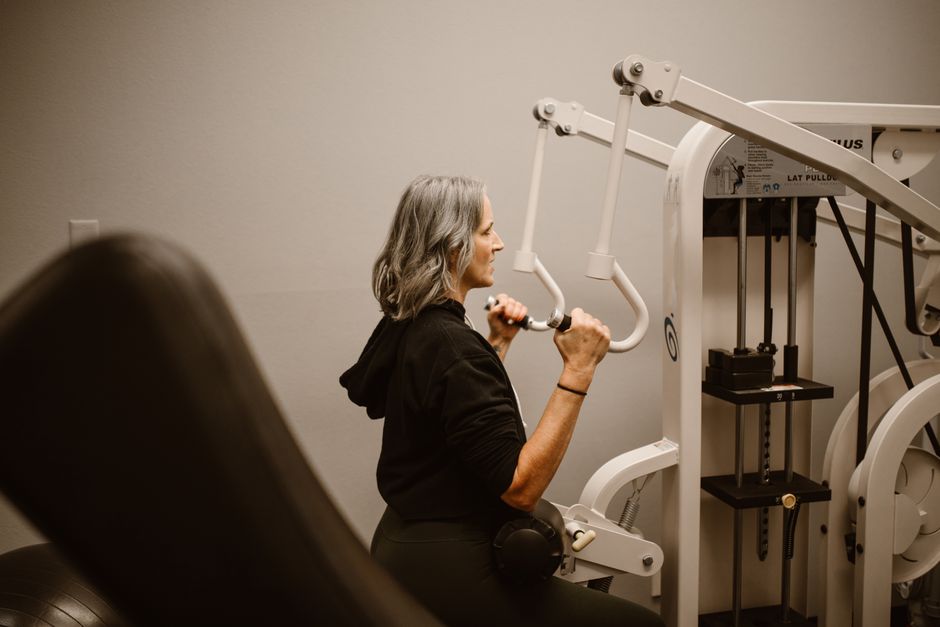
Exercise helps, but intensity matters. Moderate exercise like brisk walking, cycling, or swimming supports insulin sensitivity and reduces stress. However, excessive high-intensity training without adequate recovery can raise cortisol and actually worsen hormone imbalances, especially in women who are already stressed. The goal is consistent moderate movement, not daily exhaustive workouts.





Which Supplements Actually Support Hormone Balance?
The supplement market is full of products claiming to fix hormone issues. Most of these claims are not backed by solid evidence. A few supplements do have research behind them, but they should be used thoughtfully and ideally with medical guidance.
Vitamin D is one of the most consistently studied. It functions more like a hormone than a vitamin. Low vitamin D levels are commonly found in women with PCOS and menstrual irregularities. Some research suggests supplementation may help regulate cycles and improve insulin sensitivity.
Magnesium is involved in over 300 enzymatic reactions, including those that regulate cortisol and support sleep. Many women are deficient. Some studies suggest magnesium can reduce PMS symptoms and improve sleep quality.
Omega-3 fatty acids from fish oil have shown benefit for reducing period pain and supporting mood. They also have anti-inflammatory properties that may support overall endocrine function.
Adaptogens like ashwagandha and maca are popular, but the evidence is mixed. Some small studies suggest ashwagandha may lower cortisol in stressed adults. Maca has shown some promise for reducing menopausal symptoms. However, these are not regulated like medications, and quality varies widely between brands. More research is needed before these can be recommended with confidence.
No supplement replaces the foundation of sleep, stress management, and diet. If you are considering supplements, it is wise to test for deficiencies first rather than guessing.
When Is It Something More Serious?
Natural approaches are helpful, but they have limits. Some hormone imbalances are caused by underlying medical conditions that require treatment.
Polycystic ovary syndrome (PCOS) affects roughly one in ten women of reproductive age. It involves elevated androgens, irregular periods, and often insulin resistance. Lifestyle changes are the first-line treatment, but many women also need medical support to manage symptoms and protect long-term metabolic health.
Thyroid disorders are common and often underdiagnosed. Hypothyroidism — an underactive thyroid — can cause fatigue, weight gain, and irregular periods. It is diagnosed with a simple blood test and treated with medication. No amount of diet change can replace the thyroid hormone your body is not making enough of.
Perimenopause is a natural transition, not a disease. Hormone levels fluctuate widely in the years leading up to menopause, often causing irregular periods, hot flashes, and sleep disturbances. Lifestyle changes help, but some women benefit from hormone therapy or other medical options to manage symptoms.
If your symptoms are severe, sudden, or not improving with lifestyle changes, see a healthcare provider. Blood tests can identify the specific hormone that is out of range, which allows for targeted treatment rather than guesswork.
What Role Does Gut Health Play?
The gut-hormone connection is real and increasingly well understood. Your gut microbiome — the community of bacteria living in your digestive tract — influences how your body processes and eliminates hormones.
Certain gut bacteria produce an enzyme called beta-glucuronidase. When this enzyme is too active, it can prevent your liver from clearing used estrogen, causing it to be reabsorbed into circulation. This can contribute to estrogen dominance, a condition linked to heavy periods, breast tenderness, and PMS.
Supporting gut health means eating a variety of fiber-rich plant foods, fermented foods like yogurt and sauerkraut, and staying hydrated. Probiotic supplements may help, but the research is still developing. Eating a diverse diet is a more reliable strategy than relying on a specific probiotic strain.
How Long Does It Take To See Results?
Hormone balance is not an overnight fix. Your body needs time to adjust to new patterns. Most women notice improvements in sleep and mood within a few weeks of consistent changes. Menstrual cycle regularity often takes longer — usually two to three months — because it takes that long for your body to complete a full cycle under the new conditions.
If you have been struggling with symptoms for years, expect it to take at least three months of consistent effort before you can fairly evaluate whether a natural approach is working. Keep a symptom journal to track changes. This is more reliable than relying on memory.
If you see no improvement after three months of consistent changes, that is useful information. It signals that either the approach is not addressing the root cause, or that medical evaluation is needed.
Frequently Asked Questions
What are the first signs of a hormone imbalance?
The most common early signs include irregular periods, worsening PMS, fatigue, sleep problems, and unexplained weight changes. If these symptoms persist for more than a few months, it is reasonable to discuss testing with a doctor.
Can drinking more water help balance hormones?
Proper hydration supports liver and kidney function, which are both involved in clearing used hormones from your body. However, water alone will not correct a significant imbalance — it is one supporting factor among many.
How long does it take to balance hormones naturally?
Most women notice improvements in sleep and mood within two to four weeks, but cycle regularity often takes two to three months. Give any new routine at least three months before judging whether it is working.
Are hormone-balancing supplements safe?
Some supplements like vitamin D and magnesium are generally safe when taken at recommended doses, but quality and dosing vary widely. Always tell your doctor about any supplements you take, especially if you are on medication or trying to conceive.
