
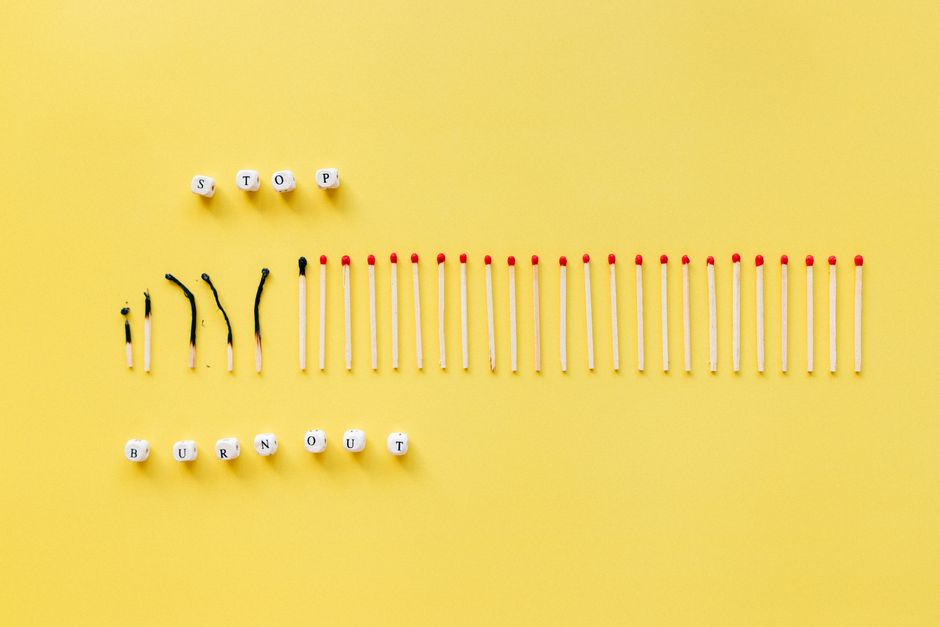
Feeling tired at school is not a character flaw or a sign you are lazy. It is your body telling you something about sleep, fuel, or timing — and each of those can be fixed. The real fixes start with protecting your sleep window, eating in a way that keeps blood sugar steady, and moving your body at the right times. Most students who feel wiped out during class are dealing with one of a small number of causes, and each has a practical answer.
How To Stop Being Tired At School Real Fixes That Actually Work
Start with the one variable that affects everything else: sleep. Most teenagers need 8 to 10 hours of sleep per night according to the American Academy of Sleep Medicine, and most adults need 7 or more. If you are getting six hours and wondering why third period feels like a fog, that is your answer.
But total hours are only half the story. Sleep timing matters too. Going to bed at 1 a.m. and waking at 9 a.m. gives you eight hours, but it shifts your body clock later. That mismatch between your internal clock and your school schedule produces the same grogginess as plain sleep deprivation.
Here is the non-obvious part. The grogginess you feel in first period is often sleep inertia — a normal transitional state that lasts 15 to 60 minutes after waking. It is worse when you wake in the middle of deep sleep. Waking at the same time every day, including weekends, reduces how often that happens.
The practical fixes that hold up:
- Set a consistent wake time and keep it within an hour on weekends.
- Get bright light within 30 minutes of waking — open curtains, step outside, or use a bright lamp.
- Avoid caffeine after early afternoon; caffeine has a half-life of about 5 hours, meaning half of it is still in your system hours later.
- Keep your room cool and dark, and put your phone outside arm’s reach.
None of this is exotic. It is also not optional if you want the other fixes to work.
Why Am I So Tired At School Even When I Sleep Enough?
Sleep is necessary but not sufficient. If you are logging seven or eight hours and still dragging, look at what you are eating and when.
Breakfast matters more than most students think. Skipping it means your blood sugar is low when class starts. A breakfast of only simple carbs — cereal, juice, a pastry — spikes blood sugar and then drops it, which can leave you foggy an hour later. Protein and fat slow that curve down.
Dehydration is another underrated cause. Even mild dehydration can affect concentration and energy. Thirst is a late signal; by the time you feel thirsty you are already behind. Keep a water bottle and sip through the day.
Some other causes worth ruling out:
- Iron deficiency — fatigue is a common symptom, and it is more common in menstruating students. A blood test can confirm it.
- Thyroid problems — both underactive and overactive thyroid can cause fatigue.
- Sleep apnea — more common in adults but possible in teens, especially with snoring.
- Medications — antihistamines, some antidepressants, and blood pressure drugs can cause drowsiness.
- Mood — depression and anxiety frequently show up as fatigue first.
If you have tried the basics for several weeks and nothing changes, that is a reason to see a clinician, not to push harder.
Does What You Eat At Lunch Affect Afternoon Tiredness?
Yes, and the effect can be significant. A heavy, high-carb lunch triggers a larger blood sugar rise and fall, and that dip often lands right in the class after lunch.
You do not need to eat a tiny lunch. You need to build it differently. Aim for protein, fiber, and some fat alongside the carbs. A sandwich with turkey and vegetables behaves very differently in your body than a plate of pasta alone.
Two practical habits help:
- Eat at a consistent time so your body expects fuel.
- Avoid very large meals right before a class where you need to concentrate.
One clarification worth making. The “afternoon slump” is real, but it is not purely about food. The human body has a natural dip in alertness in the early afternoon driven by circadian rhythm. Food can make it worse, but it does not create it. A short walk after eating often helps more than another coffee.





Can Movement and Light Really Wake You Up?
Movement raises alertness quickly, and the effect is not subtle. Even a few minutes of walking, climbing stairs, or stretching increases blood flow and triggers the release of norepinephrine, a neurotransmitter involved in wakefulness.
Light works through a different pathway. Bright light, especially in the morning, signals your brain to suppress melatonin — the hormone that makes you sleepy — and to reset your internal clock. This is why a dark classroom can feel heavy even when you slept well.
What helps during the school day:
- Stand up and move during breaks instead of sitting.
- Step outside if you can, even for a few minutes.
- Sit near a window when possible.
- Do a short walk after lunch rather than scrolling on your phone.
Naps can help too, but keep them short. A nap of about 20 minutes restores alertness without leaving you groggy. Longer naps push you into deep sleep, and waking from deep sleep produces that heavy, disoriented feeling.
What About Caffeine and Energy Drinks?
Caffeine works. It blocks adenosine, a molecule that builds up in your brain across the day and makes you feel sleepy. That is a real mechanism, not a placebo.
The problem is how students use it. Caffeine late in the day stays in your system and interferes with falling asleep. That creates a cycle: tired in the morning, caffeine to cope, worse sleep at night, more tired the next morning.
Energy drinks add another layer. Beyond caffeine, many contain large amounts of sugar and other stimulants. The American Academy of Pediatrics has advised that children and adolescents should not consume energy drinks. That position is based on concerns about stimulant content and reported adverse effects, not on a claim that they are harmless in small amounts.
If you use caffeine, earlier is better, and smaller amounts are better than larger ones. It is a tool, not a foundation.
When Should Tiredness At School Be Checked By A Doctor?
Fatigue that persists for weeks despite good sleep, food, and movement deserves a medical look. So does fatigue that comes with other symptoms.
See a clinician if you notice:
- Fatigue that is getting worse over time
- Shortness of breath, chest pain, or a racing heart
- Unintentional weight loss or gain
- Snoring, gasping at night, or waking unrefreshed despite enough hours
- Low mood, loss of interest, or anxiety that interferes with daily life
- Fainting, dizziness, or unusual paleness
These are not signs you are doing something wrong. They are reasons to get a proper evaluation. Common tests include a blood count, iron studies, thyroid function, and blood sugar. The cause is often straightforward once identified.
One honest note. No single fix works for everyone. Some students need more sleep. Some need a different breakfast. Some have an underlying condition that no amount of habit tweaking will solve. The goal is to work through the likely causes in order, not to assume the first answer is the right one.
Frequently Asked Questions
How many hours of sleep do teenagers actually need?
Most teenagers need 8 to 10 hours per night according to the American Academy of Sleep Medicine. Getting less than that consistently is a common reason for daytime tiredness at school.
Why am I tired at school even after 8 hours of sleep?
Sleep quantity is only one factor; timing, sleep quality, diet, hydration, and underlying conditions like iron deficiency or thyroid problems can all cause fatigue despite adequate hours. If tiredness persists for weeks, a medical check is reasonable.
Do energy drinks help with tiredness at school?
They contain caffeine, which does temporarily block sleepiness, but the American Academy of Pediatrics has advised that children and adolescents should not consume them. They can also disrupt sleep later, which worsens the problem.
What is the fastest way to feel less tired during class?
Standing up, moving briefly, and getting bright light are the quickest ways to raise alertness in the moment. Fixing sleep timing and breakfast quality addresses the underlying cause over days and weeks.
