
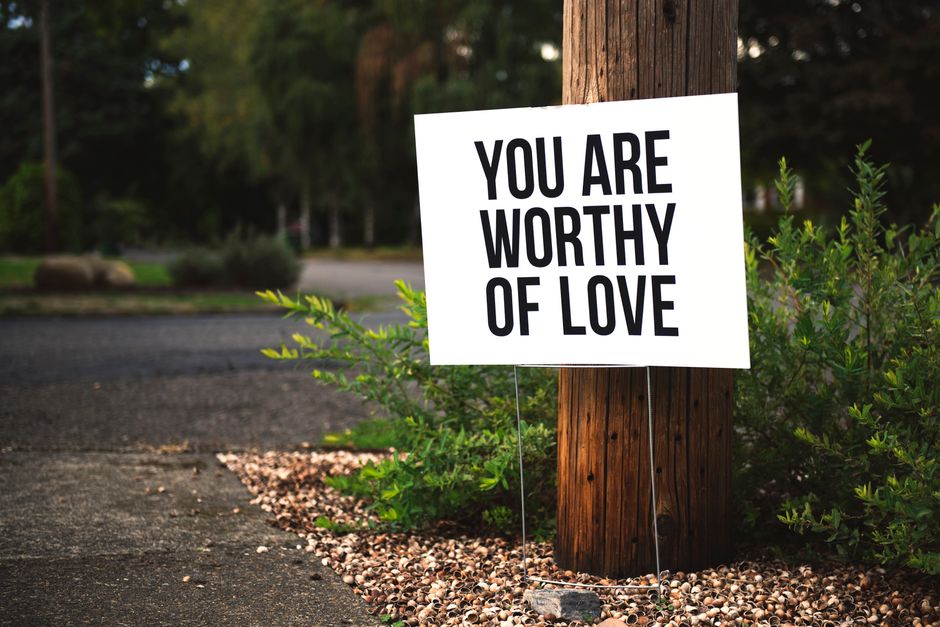
Pride often looks like confidence, but it is not the same thing. Confidence comes from knowing your worth. Pride comes from protecting an image. If you find yourself needing to be right, struggling to apologize, or feeling threatened by other people’s success, that is pride at work. The path forward is not to shrink yourself. It is to build a sense of self that does not need constant defense.
What Is The Real Difference Between Pride And Self Worth?
Pride is fragile because it depends on external validation. You feel good about yourself only when you win, get praised, or outperform someone else. Self worth is stable. It does not change based on the outcome of a single conversation or a bad day at work.
Think of pride as armor. You wear it to protect a vulnerable inner self. The problem is that armor is heavy. It makes you rigid. It prevents genuine connection because people sense they cannot get close to you.
Self worth, in contrast, is like a solid foundation. It does not need to prove anything. It simply exists. When your worth is internal, you can admit mistakes without feeling like you are losing value. You can celebrate others without feeling diminished.
Research in psychology consistently separates these two constructs. Pride is associated with defensiveness and conflict. Self worth is associated with resilience and healthier relationships. The distinction matters because the solution for excessive pride is not self-criticism. It is building genuine self-acceptance.
How Does Pride Damage Relationships And Personal Growth?
Pride creates distance. When you cannot say “I was wrong,” you force the other person to either accept your version of events or walk away. Over time, people walk away. This is why prideful individuals often find themselves surrounded by yes-people or alone.
In close relationships, pride blocks repair. Every disagreement becomes a battle for dominance rather than a search for understanding. The goal shifts from solving a problem to winning an argument. This pattern is exhausting for everyone involved.
Personal growth also stalls. Growth requires feedback. Feedback requires humility. If you cannot hear that you missed the mark, you cannot improve. A prideful person mistakes the need to improve for an attack on their character. So they stay stuck, repeating the same mistakes while blaming circumstances.
There is also a subtler cost. Pride narrows your world. You only feel safe with people who agree with you. You avoid situations where you might look unprepared or unskilled. This means fewer opportunities, fewer learning experiences, and a smaller life than you are capable of living.
How To Stop Being Prideful And Build Real Self Worth?
The first step is to separate your identity from your performance. You are not your job title, your bank account, or your last achievement. When you attach your worth to these things, any threat to them feels like a threat to you. That is why prideful people react so strongly to mild criticism.
Practice saying “I was wrong” out loud. Start with small things. Order the wrong meal, admit you took the wrong turn, acknowledge you misremembered a detail. This builds the muscle of humility without the stakes of a major conflict. Each time you do it, you learn that your value does not drop when you are imperfect.
Ask for feedback from people you trust. Then do not defend yourself. Just listen. Thank them. Sit with the discomfort. This is uncomfortable precisely because it challenges the prideful belief that you must be flawless to be acceptable.
Develop interests and skills that have nothing to do with status. Learn to cook, garden, paint, or play an instrument without any goal of being good at it. This reminds you that you have value as a person, not just as a performer.
Finally, practice celebrating others genuinely. When someone succeeds, congratulate them without adding a qualification about your own situation. This directly counters the scarcity mindset that says someone else’s win is your loss. There is enough room for everyone.





Why Do People Become Prideful In The First Place?
Pride rarely appears out of nowhere. It is usually a defense mechanism. If you grew up in an environment where love was conditional on achievement, you learned that being imperfect was dangerous. Pride became protection.
Some people develop pride to mask deep insecurity. The outward arrogance is a cover for a core belief that they are not good enough. If they can convince others they are superior, maybe they can convince themselves.
Others develop pride because they were never challenged. Constant praise without honest feedback can create an inflated sense of self. These individuals often crash hard when they finally encounter real-world competition or criticism.
Understanding the origin of your pride does not excuse it, but it does help you address it. If pride protected you in childhood, you can acknowledge that. Then you can recognize that the protection is no longer needed. You are an adult now. You can handle being wrong. You can survive disapproval.
What Are Practical Daily Habits To Reduce Pride?
Daily habits matter more than grand resolutions. Here are concrete practices that build humility and self worth over time.
- Practice active listening. When someone speaks, focus entirely on understanding them. Do not plan your response while they talk. Ask a clarifying question before offering your opinion.
- Admit one mistake per day. It does not need to be significant. The point is to normalize being wrong without shame.
- Ask for help. Pride tells you to figure everything out alone. Asking for help reminds you that interdependence is human and healthy.
- Write down what you are grateful for. Gratitude shifts focus from what you lack to what you have. It counters the entitlement that often fuels pride.
- Take responsibility without over-apologizing. Say “I was wrong about that, I will fix it” rather than “I am sorry, I am such a failure.” The first is accountability. The second is self-punishment disguised as humility.
These habits work because they are small and repeatable. You do not need to become a different person overnight. You just need to make slightly different choices consistently.
Can Therapy Help With Pride And Self Worth Issues?
Therapy can be highly effective for this. Many people do not realize that pride is often a trauma response. A therapist can help you trace your pride back to its source and develop healthier coping mechanisms.
Cognitive behavioral therapy is particularly useful. It helps you identify the thoughts that drive prideful behavior and challenge them. For example, if you believe “I must be perfect to be loved,” a therapist can help you test that belief against reality.
Some clinicians also recommend practices from acceptance and commitment therapy. This approach helps you accept uncomfortable emotions without letting them control your behavior. You learn to act according to your values rather than your ego.
The evidence base for therapy in addressing self worth issues is strong. Many studies have found that structured therapeutic approaches reduce symptoms of low self esteem and improve relationship functioning. The specific therapy matters less than the consistent work you put in.
How Long Does It Take To Change Prideful Behavior?
There is no fixed timeline. Change depends on how deeply ingrained the pattern is and how consistently you practice new behaviors. Some people notice shifts within weeks. Others work on it for years.
What you can expect is that the early stages are the hardest. Your brain is used to responding with defensiveness. When you stop that habit, it feels wrong. You may feel vulnerable, exposed, or even ashamed. This is normal and temporary.
As you continue, the new behaviors become more natural. Admitting mistakes feels less threatening. Listening without interrupting becomes automatic. You start to realize that people actually respect you more when you are honest about your limitations.
The goal is not perfection. You will still have prideful moments. What matters is that you notice them sooner and correct them faster. Progress means the gap between your prideful reaction and your humble correction shrinks over time.
What Is The Difference Between Healthy Pride And Destructive Pride?
Healthy pride is about satisfaction in a job well done. You feel proud of your effort, your growth, or your integrity. This type of pride is grounded in your own standards, not in comparison to others.
Destructive pride is about superiority. It requires putting others down to feel good about yourself. It is defensive, reactive, and fragile. This is the pride that damages relationships and blocks growth.
The test is simple. Ask yourself: Does this feeling make me more open or more closed? Healthy pride opens you up. You want to share, teach, or express gratitude. Destructive pride closes you down. You want to argue, prove, or withdraw.
You do not need to eliminate pride entirely. You need to redirect it. Take pride in your character, your effort, and your willingness to grow. Let go of the need to be superior to others. That shift alone will transform your relationships and your inner life.
Frequently Asked Questions
How do I stop being prideful in my relationship?
Practice apologizing without adding excuses. Say “I was wrong and I am sorry” and stop there. This directly challenges the prideful need to explain or justify your behavior.
Is pride the same as having high self esteem?
No. High self esteem is stable and does not require proving yourself. Pride is defensive and depends on external validation to feel good about yourself.
What causes a person to be overly prideful?
Overly prideful behavior often develops as a defense against deep insecurity or conditional love in childhood. It can also result from never receiving honest feedback about your limitations.
Can being prideful make you lonely?
Yes. Pride pushes people away because it makes genuine connection difficult. When you cannot admit fault or show vulnerability, others feel they cannot be real with you.
