
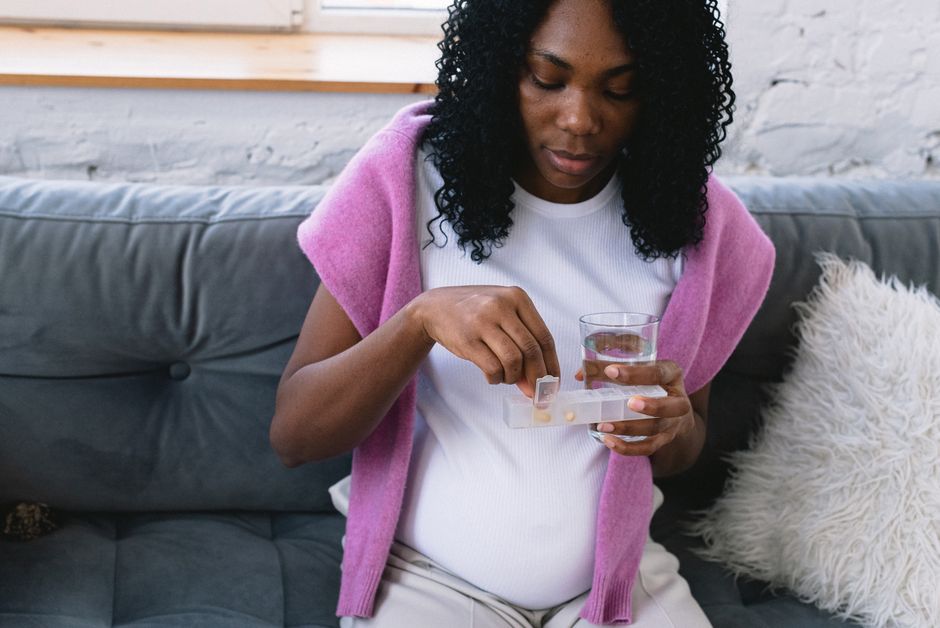
Yes, you can take prenatal vitamins without being pregnant. Many people do. The vitamins themselves are not harmful for most healthy adults. But they are designed for a specific purpose: supporting pregnancy. Taking them when you are not pregnant is not dangerous for most people, but it is also not necessary. And in some cases, it can cause problems you might not expect.
Can You Take Prenatal Vitamins Without Being Pregnant and Get Any Benefit?
The short answer is yes, there are some benefits. Prenatal vitamins contain higher levels of certain nutrients than standard multivitamins. The most notable is folic acid. Folic acid helps prevent neural tube defects in a developing baby. For someone not pregnant, folic acid still supports red blood cell production and cell growth. Some people take prenatal vitamins for stronger hair and nails. The extra biotin and iron can help with that.
Another key nutrient is iron. Prenatal vitamins typically have more iron than a standard multivitamin. This can help people with low iron levels or mild anemia. If you have heavy periods or a diet low in iron, you might feel less tired with the extra iron.
But here is the catch. These benefits come with trade-offs. The high doses are not tailored to someone who is not pregnant. You may get more of some nutrients than you actually need. And more is not always better.
What Are the Downsides of Taking Prenatal Vitamins When Not Pregnant?
There are real downsides. The most common is digestive discomfort. Prenatal vitamins contain a lot of iron. Iron can cause constipation, nausea, and stomach cramps. Many people who take them for hair or nail growth end up stopping because of how they feel.
The high iron content can also be a problem for men and postmenopausal women. These groups do not lose iron through monthly bleeding. Excess iron builds up in the body. Over time, too much iron can damage the liver, heart, and pancreas. This is rare from supplements alone, but it is a real risk if you take high-dose iron for months or years.
Prenatal vitamins also contain high levels of vitamin A. Vitamin A is important for fetal development. But too much vitamin A can be toxic to the liver. The form in most prenatal vitamins is beta-carotene, which is safer. But some use retinyl palmitate, which can build up. If you already eat a diet rich in vitamin A, adding a prenatal vitamin could push you over safe limits.
Some people report breakouts. The extra biotin and B vitamins can cause acne in some individuals. This is not universal, but it is common enough that dermatologists see it regularly.
How Do Prenatal Vitamins Compare to Regular Multivitamins?
A comparison table helps make the differences clear. Here is how a typical prenatal vitamin stacks up against a standard adult multivitamin.
| Nutrient | Prenatal Vitamin (typical) | Standard Multivitamin (typical) |
|---|---|---|
| Folic acid | 800-1000 mcg | 400 mcg |
| Iron | 27 mg | 8-18 mg |
| Calcium | 200-300 mg | 200-500 mg |
| Vitamin D | 400-800 IU | 400-600 IU |
| Vitamin A | 800-1500 mcg RAE | 500-900 mcg RAE |
| Biotin | 30-300 mcg | 30-50 mcg |
| DHA (some brands) | 200-300 mg | 0 mg typically |
The biggest differences are in folic acid and iron. Prenatal vitamins deliver about double the folic acid and two to three times the iron of standard multivitamins. For someone who is not pregnant, these higher doses are rarely needed. A standard multivitamin usually provides enough of both for general health.
Some prenatal vitamins also include DHA, an omega-3 fatty acid important for brain development. DHA is good for everyone, but you can get it from fish oil or algae supplements without the extra iron and folic acid.





Who Might Actually Benefit from Prenatal Vitamins Without Being Pregnant?
There are specific groups who may benefit. People with diagnosed iron-deficiency anemia are one example. The extra iron can help raise levels faster than a standard multivitamin. But a dedicated iron supplement would be more targeted and often cheaper.
People with very heavy menstrual bleeding may also benefit. They lose more iron each month. Prenatal vitamins can help maintain iron stores. But again, a standard multivitamin with iron or a separate iron supplement may work just as well.
Some women take prenatal vitamins when trying to conceive. This makes sense. The higher folic acid level helps prevent birth defects if pregnancy happens. Many doctors recommend starting prenatal vitamins at least three months before trying to get pregnant.
People with restrictive diets may also benefit. If you are vegan, have a malabsorption condition, or eat very little variety, prenatal vitamins can fill gaps. But a general multivitamin designed for your age and sex is usually a better fit.
Current research suggests that for most healthy adults not planning pregnancy, a standard multivitamin is sufficient. The extra nutrients in prenatal vitamins are not harmful in the short term, but they are unnecessary.
What Are the Best Alternatives to Prenatal Vitamins for Non-Pregnant People?
If you are not pregnant and not trying to conceive, there are better options. A standard multivitamin designed for your age and gender is usually the right choice. It provides balanced amounts of nutrients without the high doses meant for pregnancy.
If your goal is better hair, skin, or nails, look at specific nutrients rather than a prenatal vitamin. Biotin supplements are popular for hair and nail growth. Some studies suggest they help with brittle nails. But strong evidence for hair growth is limited. Collagen peptides have more research behind them for skin elasticity. And a balanced diet with enough protein, healthy fats, and vitamins A, C, and E does more than any pill.
If you are concerned about iron levels, get tested first. A simple blood test can tell you if you are low. If you are, an iron supplement with 18-27 mg of iron is fine. But if your levels are normal, extra iron does not help and can cause side effects.
For folic acid, most people get enough from food. Leafy greens, beans, citrus fruits, and fortified grains are good sources. Unless you have a condition that affects absorption, you likely do not need the high dose in prenatal vitamins.
Here is a list of better approaches depending on your goal:
- For hair and nail growth: Biotin supplement (30-100 mcg daily) plus a balanced diet
- For low energy or iron deficiency: Iron supplement after a blood test confirms low levels
- For general health: Standard multivitamin for your age and sex
- For skin health: Collagen peptides (10-15 grams daily) or vitamin C
- For pregnancy preparation: Prenatal vitamins starting 3 months before trying to conceive
As of 2026, no major health organization recommends prenatal vitamins for non-pregnant people as a general practice. They are formulated for a specific biological state. Using them outside that state is a mismatch, even if it is not dangerous for most.
Common Misconceptions About Prenatal Vitamins
One widespread myth is that prenatal vitamins are “stronger” and therefore better for everyone. This is not true. They are stronger in specific nutrients that support fetal development. For a non-pregnant person, those high doses can cause imbalances. The body does not need extra folic acid or iron when not supporting a pregnancy.
Another myth is that prenatal vitamins guarantee thicker hair and stronger nails. Some people do see these effects from the extra biotin and iron. But many see no difference. And the side effects like constipation and nausea often outweigh any cosmetic benefit. There is no strong clinical evidence that prenatal vitamins improve hair or nail health more than a standard multivitamin.
Some people believe prenatal vitamins boost fertility. This is not accurate. While folic acid is important for preventing birth defects once pregnant, it does not help you get pregnant faster. A healthy diet and maintaining a healthy weight have far more impact on fertility than any supplement.
A final misconception is that prenatal vitamins are safer than regular multivitamins because they are designed for pregnancy. In reality, the high iron content can be dangerous for men and postmenopausal women if taken long-term. And the high folic acid can mask a vitamin B12 deficiency in older adults, which can lead to nerve damage if left untreated.
Frequently Asked Questions
Can prenatal vitamins cause weight gain if you are not pregnant?
No, prenatal vitamins do not directly cause weight gain. They contain no calories. Any weight change is likely from other factors like diet or lifestyle changes.
Can men take prenatal vitamins?
Men can take prenatal vitamins without immediate harm, but they are not recommended. The high iron content can be risky for men over time, and the nutrients are not tailored to male health needs.
How long does it take for prenatal vitamins to work for hair growth?
There is no set timeline because strong evidence of hair growth from prenatal vitamins is limited. Some people report results in 3-6 months, but this varies widely and is not guaranteed.
Do prenatal vitamins help with acne?
No, they often make acne worse. The extra biotin and B vitamins can trigger breakouts in some people. Prenatal vitamins are not a treatment for acne.
