
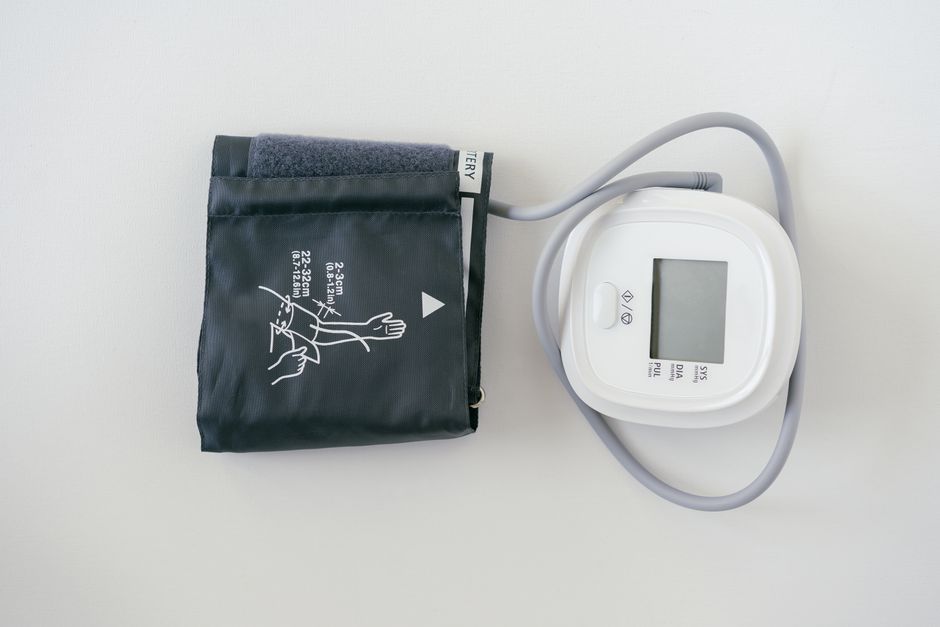
A CPAP machine does not know when you stop breathing. It cannot detect a paused breath or an apnea event on its own. Standard CPAP machines deliver a steady stream of air at a set pressure all night long. They do not have sensors that monitor your breathing patterns. The machine simply pushes air through your mask and into your airway to keep it open. If you stop breathing, the machine keeps pushing air at the same pressure. It has no way of knowing your breath has stopped.
This is a common misunderstanding. Many people assume their CPAP machine is smart enough to sense and respond to each breath. That is not how standard CPAP works. The confusion likely comes from more advanced machines called APAP and BiPAP. These devices have sensors and can adjust pressure in real time. But a standard CPAP machine? It is a constant-pressure device. It does not know if you are breathing, snoring, or holding your breath. It just keeps blowing.
What Is the Difference Between CPAP, APAP, and BiPAP Machines?
CPAP stands for continuous positive airway pressure. It delivers one fixed pressure throughout the night. Your doctor prescribes a specific pressure number based on a sleep study. The machine never changes that pressure. It does not have sensors to detect breathing changes. It cannot tell if you are awake or asleep, breathing or not breathing.
APAP stands for automatic positive airway pressure. These machines have built-in sensors that detect changes in your breathing. They measure airflow, pressure changes, and sometimes snoring vibrations. When the sensors detect a partial or complete airway blockage, the machine increases pressure to open the airway. When breathing is stable, it lowers pressure back down. APAP machines can respond to events in real time. They do know when you are struggling to breathe.
BiPAP stands for bilevel positive airway pressure. These machines deliver two different pressures: a higher pressure when you inhale and a lower pressure when you exhale. BiPAP machines also have sensors. They can detect when you stop breathing and respond by adjusting pressure or delivering a timed breath. BiPAP is typically used for more complex breathing problems like central sleep apnea or COPD.
So when people ask “how does a CPAP machine know when you stop breathing,” the honest answer is: a standard CPAP machine does not. Only APAP and BiPAP machines have that ability. The term CPAP is often used as a catch-all for all positive airway pressure devices, which adds to the confusion.
How Does an APAP Machine Sense When You Stop Breathing?
APAP machines use a technology called flow sensing. Inside the machine is a pressure transducer. This device measures the airflow moving through the tube every fraction of a second. When you inhale, air flows from the machine toward you. When you exhale, air flows back toward the machine. The transducer detects these changes.
When you stop breathing, the airflow pattern changes dramatically. There is no inhalation or exhalation. The machine detects this flat line in airflow. It interprets that as an apnea event. Some machines also detect snoring vibrations and flow limitations that signal a partial blockage, called hypopnea.
Once the machine detects an event, it responds by increasing pressure. The goal is to push the airway open before you wake up or your oxygen drops. After your breathing returns to normal, the machine gradually reduces pressure back to the baseline setting. This all happens within seconds. Current research suggests that modern APAP algorithms are quite accurate at detecting events, though no machine is perfect.
As of 2026, most new machines sold are actually APAP machines, even if they are still called CPAP machines in conversation. The technology has become standard. But older machines and basic models still use fixed pressure only.
Can a CPAP Machine Detect Central Sleep Apnea?
Central sleep apnea is different from obstructive sleep apnea. In obstructive apnea, your airway collapses but your body still tries to breathe. In central apnea, your brain stops sending the signal to breathe. Your body makes no effort at all.
Standard CPAP machines cannot detect central sleep apnea. They have no way of knowing if your effort to breathe has stopped. APAP and BiPAP machines can detect the absence of airflow, but they cannot always distinguish between obstructive and central events. Some advanced machines can tell the difference by sensing whether your chest is still trying to move. This requires additional sensors.
This matters because treating central sleep apnea is different. Increasing pressure does not help if your brain is not telling you to breathe. In fact, too much pressure can sometimes make central apnea worse. This is why a proper sleep study is essential. A home sleep test or lab study can identify whether your events are obstructive, central, or mixed.
Some people report that their machine data shows “clear airway apneas.” That is the term used when the machine detects no airflow and no sign of effort. Those are likely central events. But the machine is guessing based on airflow patterns. It is not measuring your brain activity or chest movement directly.





What Do the Sensors Inside a CPAP Machine Actually Measure?
Modern positive airway pressure machines contain several sensors. The most important one is the pressure sensor. It measures the air pressure inside the tube and mask. This sensor allows the machine to maintain the correct pressure regardless of leaks or breathing changes.
The flow sensor measures how much air is moving through the tube. This is the sensor that detects breathing patterns. When you inhale, flow increases. When you exhale, flow decreases. When you stop breathing, flow becomes flat. The machine records these patterns and uses them to detect events.
Some machines also have a snore sensor. This is usually a vibration sensor that detects snoring sounds traveling through the machine’s casing. Snoring is a sign of partial airway obstruction. The machine can respond by increasing pressure before a full apnea occurs.
Leak sensors are also common. They measure how much air is escaping around the mask. High leaks can make the machine less effective and can cause false event detection. The machine records leak data so you and your doctor can see if your mask fit needs adjustment.
All of this data is stored on an SD card or transmitted wirelessly to your sleep provider. This is how your doctor can see your AHI, or apnea-hypopnea index, each night. The AHI is the number of events per hour. It is the main metric used to judge treatment success.
How Does the Machine Know the Difference Between a Real Apnea and a Mask Leak?
This is a good question because mask leaks are common. A large leak can look like an apnea to the machine. When air escapes around your mask, the flow sensor detects a sudden change. It might interpret that as a pause in breathing.
Machine algorithms are designed to handle this. They look for patterns, not single data points. A mask leak usually causes a rapid drop in pressure and a high leak reading. The machine flags that as a leak, not an apnea. It records the leak data separately.
But leaks can still cause false apnea events. If the leak is large enough, the machine may not be able to maintain pressure. This can cause your airway to collapse, which is a real apnea triggered by the leak. Or the machine may simply misclassify the event. This is why mask fit is so important. A good seal reduces false readings and improves treatment.
Some studies suggest that machine-reported AHI can be inaccurate when leaks are high. If your machine shows a low AHI but you still feel tired, a leak could be the reason. Your doctor can review the detailed data to separate real events from leak-related noise.
Here is a quick comparison of how different machines handle breathing detection:
| Machine Type | Detects Apnea? | Adjusts Pressure? | Best For |
|---|---|---|---|
| Standard CPAP | No | No | Simple obstructive sleep apnea |
| APAP | Yes | Yes, automatically | Variable pressure needs, mild to moderate apnea |
| BiPAP | Yes | Yes, with two pressure levels | Central apnea, COPD, complex cases |
What Happens If Your CPAP Machine Stops Working During the Night?
If your CPAP machine loses power, it simply stops. There is no backup system. The air pressure drops to zero. Your airway is no longer supported. If you have obstructive sleep apnea, your airway will likely collapse again within seconds. You will start having apneas just like before treatment.
Most people wake up within a minute or two when their machine stops. The sensation of not getting air is uncomfortable. Some people wake up gasping. Others sleep through it, especially if they are very tired. But their oxygen levels will drop and their sleep will be fragmented.
Modern machines have a feature called power loss alarm. When power is lost, the machine beeps to alert you. This is helpful if the power goes out while you are asleep. You can wake up and take off the mask rather than sleeping without pressure.
Some machines also have a ramp feature that slowly increases pressure when you first put the mask on. This makes falling asleep more comfortable. But it does not help if the machine stops working mid-night. The ramp feature is only for starting the night.
If your machine stops working frequently, check the power cord and outlet. Use a surge protector. If you travel, bring a backup power source or know where to find one. Power outages are rare but they happen. Having a plan is better than waking up gasping in the dark.
Frequently Asked Questions
Does a CPAP machine know when you stop breathing?
No, a standard CPAP machine does not know when you stop breathing. It delivers constant pressure and has no sensors to detect breathing patterns. Only APAP and BiPAP machines have that ability.
How does an APAP machine detect apnea?
An APAP machine uses a flow sensor to measure airflow through the tube. When airflow stops, the machine detects a flat line and interprets it as an apnea event. It then increases pressure to reopen the airway.
Can a CPAP machine tell the difference between obstructive and central apnea?
Standard CPAP machines cannot tell the difference. Some advanced APAP and BiPAP machines can guess based on airflow patterns, but they do not directly measure brain activity or chest movement. A sleep study is needed for an accurate diagnosis.
What should you do if your CPAP machine stops working at night?
If your machine stops, remove your mask and try to sleep without it. Check the power cord and outlet in the morning. Most machines have a power loss alarm that beeps to alert you when power is lost.
