
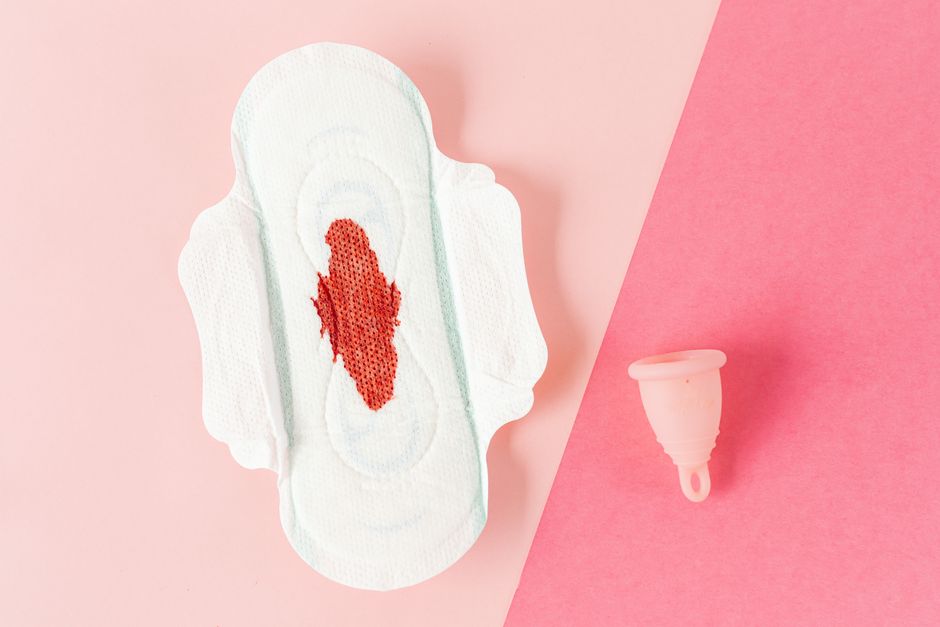
A period that lasts longer than seven days is called prolonged or heavy menstrual bleeding, depending on how much blood is lost. The most important first step is not a home remedy — it is finding out why the bleeding is lasting so long. Causes range from hormonal shifts and uterine growths to thyroid problems and bleeding disorders, and each one has a different treatment. If you are soaking through a pad or tampon every hour for several hours, or passing large clots, seek medical care right away.
How To Stop A Prolonged Period: What Actually Works
There is no single at-home fix that reliably stops a prolonged period. What works depends entirely on the cause, which is why a medical evaluation comes first.
When bleeding is caused by hormonal imbalance — the most common reason in the years leading up to menopause — clinicians often prescribe hormonal treatments. These include combined hormonal contraceptives, a progestin-releasing intrauterine device, or short courses of a progestin medication. These approaches thin the uterine lining so there is less tissue to shed each cycle.
For bleeding linked to a specific structural problem such as fibroids or polyps, treatment may involve removing the growth, using medication to reduce bleeding, or in some cases a procedure that removes the uterine lining. Non-hormonal medication called tranexamic acid is also used during bleeding days to reduce blood loss. It requires a prescription in the United States.
Some clinicians recommend nonsteroidal anti-inflammatory drugs like ibuprofen to reduce both cramping and bleeding flow. The evidence for reducing blood loss with these drugs is modest, and they are not appropriate for everyone, particularly people with stomach ulcers or kidney problems.
What does not work: there is no strong clinical evidence that drinking herbal teas, taking high doses of vitamin C, or eating specific foods will stop a prolonged period. These approaches are widely shared online but have not been confirmed in clinical trials.
What Causes a Period To Last Longer Than Normal?
A typical period lasts between two and seven days. Bleeding beyond that range usually points to one of several underlying issues.
Hormonal imbalance is the most frequent cause. When estrogen and progesterone fall out of their usual rhythm — common during perimenopause, in polycystic ovary syndrome, or with thyroid disorders — the uterine lining can build up unevenly and shed over more days.
Uterine fibroids are noncancerous growths in the muscular wall of the uterus. They can enlarge the surface area of the lining and interfere with normal clotting, which extends bleeding. Polyps are smaller growths on the lining itself and can also cause spotting or longer periods.
Adenomyosis happens when tissue similar to the uterine lining grows into the muscular wall of the uterus. It often causes heavy, painful, and prolonged bleeding.
Bleeding disorders such as von Willebrand disease are an underrecognized cause, especially in people who have had heavy periods since their first cycle. Thyroid conditions — both an underactive and overactive thyroid — can disrupt menstrual timing and flow.
Less common causes include infection, certain medications (including some blood thinners), and in rare cases, cancer of the uterus. This is why persistent prolonged bleeding should always be evaluated rather than managed at home indefinitely.
When Should You See a Doctor for a Long Period?
See a doctor if your period lasts longer than seven days, if it is consistently heavier than usual, or if the pattern has changed from your normal.
Seek urgent care if you are soaking through one pad or tampon every hour for two or more hours in a row, passing blood clots larger than a quarter, feeling dizzy or faint, or having chest pain or shortness of breath. These can be signs of significant blood loss.
Also see a doctor if you are bleeding between periods, bleeding after sex, or if you have gone through menopause and are bleeding again. Postmenopausal bleeding always needs evaluation.
It helps to track your cycles before your appointment. Note how many days you bleed, how often you change protection, and whether you pass clots. This information helps your clinician narrow down the cause faster.





How Is Prolonged Bleeding Diagnosed?
Diagnosis usually starts with a medical history and a physical exam, including a pelvic exam. Your clinician will ask about your cycle patterns, medications, family history, and any symptoms of a bleeding disorder such as easy bruising or heavy bleeding after dental work.
Blood tests are common. These may check your blood count for anemia, your thyroid function, and hormone levels. If a bleeding disorder is suspected, clotting tests may be ordered.
Imaging is often used to look at the uterus. A pelvic ultrasound is the usual first step. A procedure called a hysteroscopy allows the clinician to look directly inside the uterus and take a tissue sample if needed. An endometrial biopsy may be recommended, particularly for people over 45 or those with risk factors for uterine cancer.
Not every test is needed for every person. The right workup depends on your age, symptoms, and history.
What Are the Risks of Letting a Prolonged Period Continue?
The main risk of ongoing heavy or prolonged bleeding is iron deficiency anemia. When you lose more blood than your body can replace, your iron stores drop. This can cause fatigue, shortness of breath, pale skin, headaches, and difficulty concentrating.
Anemia from heavy periods is common and often missed. A simple blood test can check your hemoglobin and iron levels. If anemia develops, treatment may include iron supplements and, in some cases, intravenous iron.
Beyond anemia, prolonged bleeding that goes unevaluated means the underlying cause also goes untreated. Some causes, such as fibroids, can grow over time. Others, like an underactive thyroid, affect far more than your period. And while uterine cancer is an uncommon cause of prolonged bleeding, delayed diagnosis matters for outcomes.
The point is not to alarm you. Most causes of prolonged bleeding are treatable and not cancer. But “wait and see” is not a safe long-term plan when bleeding keeps lasting longer than a week.
Can Lifestyle Changes Help With Long Periods?
Lifestyle changes alone are unlikely to stop a prolonged period, but they can support your overall health while you and your clinician address the cause.
If you have iron deficiency anemia, eating iron-rich foods can help alongside any supplement your clinician recommends. Good sources include lean red meat, poultry, beans, lentils, and fortified cereals. Vitamin C helps your body absorb iron from plant sources, so pairing them can be useful.
Staying hydrated matters during heavy bleeding. So does rest. Some people find that regular, moderate exercise helps with cramping, though it will not shorten a period.
If you take blood thinners, do not stop them on your own. Talk to the clinician who prescribed them. In some cases the dose or the medication can be adjusted, but this is a decision that needs medical guidance.
Be cautious with supplements marketed for menstrual health. Many contain herbs and blends that have not been tested in clinical trials for prolonged bleeding, and some can interact with medications.
What Treatment Options Do Clinicians Consider?
Treatment depends on the cause, your age, whether you want to have children, and how much the bleeding affects your daily life.
- Hormonal contraceptives — pills, patches, rings, or injections that regulate the cycle and reduce bleeding.
- Progestin-releasing IUD — a device placed in the uterus that thins the lining and can greatly reduce bleeding over time.
- Tranexamic acid — a prescription medication taken only during bleeding days to reduce blood loss.
- Nonsteroidal anti-inflammatory drugs — may reduce cramping and modestly reduce flow; not suitable for everyone.
- Procedures — removing polyps or fibroids, endometrial ablation to remove the uterine lining, or in some cases hysterectomy.
Your clinician will explain which options fit your situation. What works for one person may not be right for another, and some treatments are not appropriate if you are trying to become pregnant.
Frequently Asked Questions
How long is too long for a period?
A period lasting more than seven days is considered prolonged and should be evaluated by a doctor. A typical period lasts between two and seven days.
Can a prolonged period stop on its own?
Sometimes a single long period resolves without treatment, especially if it is linked to a one-time hormonal shift. If it happens again or lasts longer than a week, see a doctor to find the cause.
What is the fastest way to stop heavy bleeding during a period?
Prescription medications such as tranexamic acid or hormonal treatments can reduce bleeding, but they require a clinician’s evaluation first. There is no proven at-home method to stop heavy bleeding quickly.
Does a long period mean something serious?
Most causes of prolonged bleeding are treatable and not cancer. However, because some causes need specific treatment and a few are serious, persistent long periods should always be checked.
