
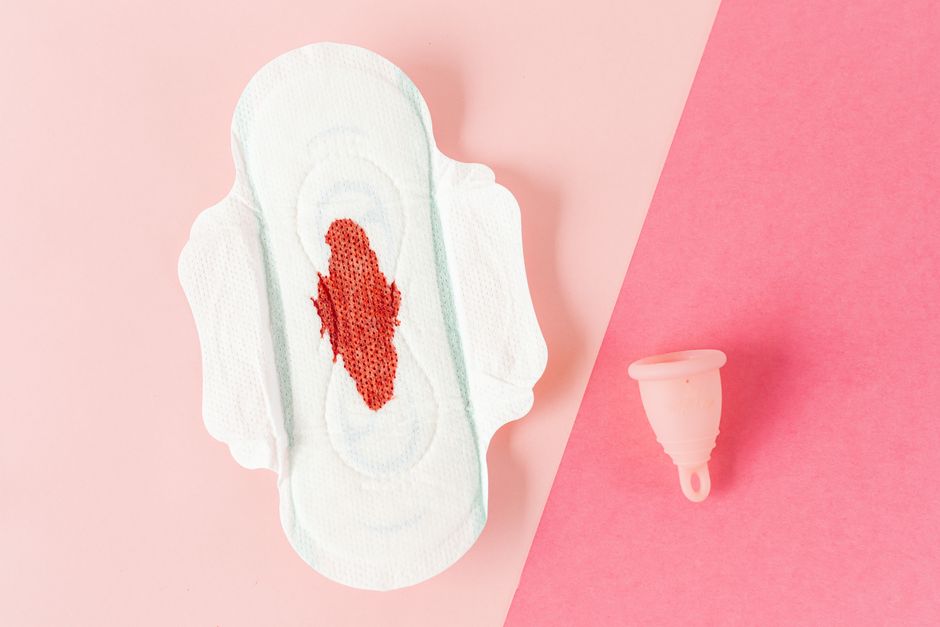
You can temporarily stop your period, and the most reliable way is with hormonal birth control methods that let you skip the placebo or hormone-free days. Extended-cycle pills, the hormonal IUD, the implant, and certain injections can all reduce or stop bleeding. How well each one works varies by method and by person. None of these are emergency options, and none work instantly.
What Does “Temporarily Stopping” a Period Actually Mean?
Menstrual bleeding happens when hormone levels drop at the end of a cycle. That drop signals the uterus to shed its lining. If you keep hormone levels steady instead of letting them fall, the lining stays in place and there is little or nothing to shed.
This is the basic principle behind every medical method for skipping a period. You are not stopping a natural process that has to happen. The monthly bleed from hormonal contraception is not a real period anyway. It is a withdrawal bleed caused by the hormone-free interval built into most pill packs and rings.
That distinction matters. Many people assume the bleed on birth control is necessary for health. It is not. The hormone-free week was added when the pill was first designed, largely to make the method feel more natural to users and doctors at the time. There is no medical requirement to bleed every month while on hormonal contraception.
How To Temporarily Stop Your Period What Actually Works?
The methods with the strongest evidence for stopping bleeding are continuous or extended-use hormonal contraceptives. These are the approaches clinicians most often recommend when someone wants to skip a period for a specific event or period of time.
Here is how the main options compare.
- Extended-cycle pills: Taken continuously for weeks or months without the placebo week. Many people stop bleeding entirely within a few months.
- Continuous combined pills: Taken every day with no break at all. Bleeding often stops, though breakthrough spotting is common early on.
- Hormonal IUD: Releases a progestin directly into the uterus. Bleeding tends to decrease over the first several months, and many users stop having periods.
- Contraceptive implant: A small rod placed in the upper arm. It often reduces or stops bleeding, though bleeding patterns vary widely and can be unpredictable.
- Depot injection: Given every three months. Many users stop bleeding over time, but irregular bleeding is common in the first year.
The key point is that all of these require a prescription and a clinician’s guidance. They are not something to start or adjust on your own.
Can You Skip Your Period With Standard Birth Control Pills?
Yes, in many cases. If you take a combined oral contraceptive, you can often skip the placebo week and start the next pack right away instead of having the withdrawal bleed. This is sometimes called stacking or continuous use.
Some clinicians recommend this approach for people who want to avoid a bleed for a trip, an event, or a medical reason. It is widely done and generally considered acceptable for healthy people without contraindications to combined hormonal contraception.
One clarification worth making: skipping the placebo week does not reduce how well the pill prevents pregnancy. The hormone-free days are the part of the cycle when pregnancy risk is highest if pills are missed. Taking active pills continuously keeps protection steady.
That said, breakthrough bleeding is common, especially in the first few months of continuous use. It usually lessens over time, but it does not always disappear. Results vary from person to person, and no method guarantees a completely bleed-free experience.





What About Natural Methods or Home Remedies?
There is no reliable natural or at-home method to stop a period that is already underway or about to start. This is where a lot of online advice goes wrong.
Things like certain teas, high doses of vitamin C, apple cider vinegar, or herbal supplements are frequently promoted as ways to delay or stop a period. No clinical evidence confirms these work. Some, like very high doses of vitamin C, can cause digestive upset, and herbal products can interact with medications or affect hormone-sensitive conditions.
If you see a claim that a food, supplement, or lifestyle change can stop your period on demand, treat it with skepticism. The hormonal system that controls the menstrual cycle is not something you can switch off with a drink or a pill from the supplement aisle.
Is It Safe to Skip Your Period?
For most healthy people using hormonal contraception, deliberately skipping periods is considered safe. Research and clinical practice over several decades have not shown harm from reducing the number of withdrawal bleeds.
There are important exceptions. Combined hormonal methods that contain estrogen are not appropriate for everyone. People with certain conditions, such as a history of blood clots, some migraine patterns with aura, uncontrolled high blood pressure, or who smoke and are over a certain age, may need to avoid estrogen-containing methods. This is a decision for a clinician, not a general article.
Progestin-only methods, like the hormonal IUD, implant, and injection, have a different risk profile. They are often options for people who cannot use estrogen.
The honest position is this: skipping a period is not inherently dangerous, but the method you use to do it carries its own risks and suitability. What is safe for one person may not be safe for another.
When Should You Talk to a Doctor First?
Before you try to stop or skip your period, talk to a clinician if any of the following apply.
- You have a history of blood clots, stroke, or heart disease.
- You get migraines with aura.
- You have uncontrolled high blood pressure.
- You smoke and are over age 35.
- You have or have had breast cancer or certain other hormone-sensitive cancers.
- You have unexplained vaginal bleeding.
- You are pregnant or could be pregnant.
Unexplained bleeding is worth taking seriously. It does not always mean something is wrong, but it should be evaluated rather than covered up by adjusting hormones on your own.
If you are planning to skip a period for a specific date, such as a wedding, vacation, or competition, start the conversation with your clinician well ahead of time. Hormonal changes take weeks to months to settle, and breakthrough bleeding is most likely right when you are trying to avoid it. Waiting until the week before rarely works.
What to Expect When You Try to Skip a Period
Timing and patience matter more than most people expect. If you start a continuous method, the first one to three months often bring irregular spotting. This does not mean the method is failing. It usually means your body is adjusting to steady hormone levels.
For many people, bleeding gradually decreases and then stops. For others, some spotting continues. There is no way to predict in advance exactly how your body will respond, and no method works the same way for everyone.
If you are already on a method and want to skip an upcoming bleed, the simplest step is often to skip the hormone-free interval, if your method has one. For methods without a break, like the IUD or implant, bleeding reduction happens on its own timeline.
Do not double up on pills or take extra doses to try to stop bleeding faster. That is not how these medications work, and it can cause side effects.
The Bottom Line on Temporary Period Control
Hormonal contraception is the only reliable way to temporarily stop or skip a period. Extended-cycle and continuous-use methods have the best evidence behind them. Natural remedies and supplements do not have clinical support for this purpose.
Safety depends on your health history and the specific method. Estrogen-containing options are not right for everyone. A clinician can help you find an approach that fits your situation and your timeline.
If you want to skip a period for a specific event, plan ahead. Give your body time to adjust, and set realistic expectations about spotting. The goal is not always a completely bleed-free month, but a predictable, manageable one.
Frequently Asked Questions
Can I stop my period for just one day or one event?
Yes, in many cases, by using continuous hormonal contraception to skip the withdrawal bleed around that time. This works best if you plan ahead, since breakthrough spotting is common in the first few months and cannot be predicted.
Is it safe to skip my period every month?
For most healthy people on hormonal contraception, skipping periods regularly is considered safe and is common clinical practice. Safety depends on the specific method and your personal health history, so it should be discussed with a clinician.
Do natural remedies like vitamin C or herbs stop a period?
No clinical evidence confirms that natural remedies, teas, or supplements can stop or delay a period. Some, like high-dose vitamin C, can cause side effects, and herbal products can interact with medications.
How long does it take for birth control to stop my period?
It varies by method and by person. Some people stop bleeding within a few months of starting a continuous method, while others continue to have light spotting. There is no fixed timeline that applies to everyone.
