
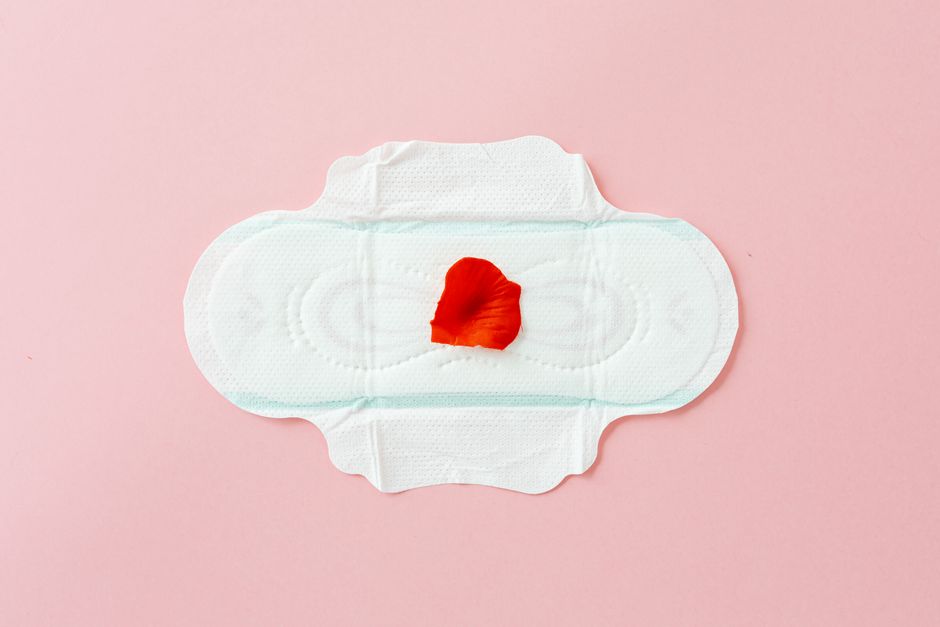
If you are waiting for a late period, the first useful step is not a home remedy. It is a pregnancy test. A missed period has many causes, and the safe path depends entirely on which one is behind yours.
There is no proven, reliable way to force a period to start on demand. No food, supplement, exercise routine, or home remedy has been shown in clinical research to trigger menstruation safely. The genuinely safe actions are these: rule out pregnancy, look for a cause worth a doctor’s attention, and understand what your body is actually doing. Anything marketed as a way to “bring on” your period deserves real caution.
This article explains why periods are missed, which causes matter, what the evidence says about common remedies, and when to see a clinician.
Why Is My Period Late?
A missed period is usually a signal, not a malfunction. Menstruation happens when hormone levels fall after an egg is not fertilized. If that hormonal rhythm is disrupted anywhere along the way, the period can be delayed or skipped.
Pregnancy is the most common cause of a missed period in people of reproductive age, which is why testing comes first. Beyond pregnancy, the list of causes is long and includes:
- Stress. High or prolonged stress can affect the hormones that control the menstrual cycle.
- Weight changes. Significant weight loss or gain, and low body fat, can interrupt ovulation.
- Intense exercise. Heavy training loads are linked to missed periods, especially when combined with low food intake.
- Thyroid problems. Both an underactive and overactive thyroid can disrupt the cycle.
- High prolactin. This hormone, produced by the pituitary gland, can suppress ovulation when elevated.
- Polycystic ovary syndrome (PCOS). A common hormonal condition that can cause irregular or missed periods.
- Perimenopause. Cycle changes are expected in the years leading up to menopause.
- Medications. Some prescription drugs, including certain hormonal treatments, can affect bleeding patterns.
The cause matters because the response is different for each. A missed period from stress is handled differently than one caused by a thyroid condition or PCOS. That is the core reason home remedies are a poor first move.
What Can I Do To Induce My Period Safely?
The only safe first step is to find out why your period is late. Take a pregnancy test. If it is negative and your period stays absent, contact a clinician rather than trying to force bleeding at home.
If your test is negative and you are not pregnant, a doctor can look for the underlying cause. Depending on your history, that may include blood tests for thyroid function, prolactin, and reproductive hormones. Once a cause is identified, treatment can be targeted. For example, some clinicians prescribe a short course of a hormone medication to bring on a withdrawal bleed, but this is a medical decision made after a diagnosis, not a home remedy. It is not appropriate to take leftover hormones or someone else’s prescription to start a period.
If you have an IUD or take hormonal birth control, your bleeding pattern may differ from a natural cycle, and a missed period may be expected. Ask your clinician what is normal for your method.
There is one important exception. If you might have been exposed to pregnancy and your period is late, do not try to induce bleeding. See a clinician promptly. Certain situations, including a possible ectopic pregnancy, are medical emergencies, and attempting to self-induce a period could delay care.
Do Home Remedies Like Vitamin C, Parsley, or Herbal Teas Work?
No clinical evidence confirms that any of these reliably induce a period. The remedies that circulate online are based on traditional use or laboratory theories, not on human trials showing they work.
Vitamin C is a common example. The idea is that high doses might affect hormone levels. There is no solid human evidence that it brings on a period, and large doses can cause digestive upset and, in some people, kidney stones. The evidence here is limited, and the risks are real.
Parsley, mugwort, and similar herbs are also frequently suggested. Some of these plants contain compounds that could theoretically affect the uterus, but that is not the same as a demonstrated, safe effect. Several of these herbs can be harmful in high amounts, and some are unsafe in pregnancy. No established clinical guidance supports using them to start a period.
Exercise, hot baths, and certain foods are sometimes suggested too. None have been shown to trigger menstruation. Some, like extreme exercise or severe calorie restriction, can actually make missed periods more likely by disrupting ovulation.
Be skeptical of any product or routine that promises to “bring on” your period. If a claim sounds like a guaranteed result, that is a warning sign, not a solution.




What About “Period-Inducing” Pills Sold Online?
Products sold online as period starters are a genuine safety concern. They are not regulated the way prescription medicines are, their contents may not match their labels, and some have contained unlisted ingredients.
Even when a product claims to contain a real medication, taking an unprescribed hormone or drug without knowing your medical history can be dangerous. The dose may be wrong for you. It may interact with other medications. It may be unsafe if you are pregnant and do not know it. There is no way to confirm what is actually in these products or how your body will respond.
The safe position is simple. Do not take unregulated pills to start your period. If you need treatment to bring on bleeding, that treatment should come from a clinician who has examined you and knows your history.
When Should I See a Doctor About a Missed Period?
See a clinician if your period is late and you could be pregnant, if you have gone several cycles without a period, or if you have other symptoms that concern you. A missed period is common and often harmless, but it can also be the first sign of a condition that benefits from treatment.
Get medical care promptly, and treat it as urgent, if you have any of the following along with a missed period:
- Severe or one-sided pelvic or abdominal pain
- Heavy vaginal bleeding or bleeding with dizziness
- Fainting, weakness, or shoulder pain
- A positive pregnancy test with pain or bleeding
These can signal an ectopic pregnancy or another serious problem. Do not wait, and do not try home methods to start your period.
For less urgent situations, it still helps to check in with a clinician if your cycles have changed noticeably, if you have symptoms like unusual hair growth, acne, or hot flashes, or if you are trying to conceive. These clues can point toward a cause that is treatable.
What Does a Normal Menstrual Cycle Look Like?
A typical cycle runs about 21 to 35 days from the first day of one period to the first day of the next. Bleeding usually lasts around 2 to 7 days. These ranges are well established, but “normal” varies from person to person, and cycles can shift with age, stress, and life changes.
Tracking your cycle helps you and your clinician spot patterns. A cycle that is occasionally a few days off is usually not a concern. A pattern of missed or very irregular periods is worth investigating. For people in their 40s and 50s, cycle changes are often the first sign of perimenopause, the transition toward menopause.
One clarification that surprises many people: a “period” on hormonal birth control is often a withdrawal bleed, not a true menstrual period. It happens because of the hormone schedule in the method, not because of ovulation. That is why a missed bleed on birth control can mean something different than a missed natural period.
The Bottom Line on Inducing a Period Safely
There is no safe, proven home method to induce a period. The genuinely safe path is to test for pregnancy, identify any underlying cause with a clinician, and treat that cause directly. Home remedies and online pills are not supported by clinical evidence and can carry real risks.
A late period is common. Most causes are manageable once identified. The key is not to force your body into bleeding, but to understand why it is not, and to get help when something does not add up.
Frequently Asked Questions
Can I induce my period naturally at home?
No proven home method reliably induces a period, and none is supported by clinical evidence. The safe step is to take a pregnancy test and see a clinician if your period stays absent.
Does vitamin C bring on a late period?
There is no solid human evidence that vitamin C induces a period. High doses can cause digestive problems and, in some people, kidney stones.
How late can a period be before I should worry?
A single late period is common and often harmless, but if you have gone several cycles without one, or have pain or bleeding, see a clinician. If you could be pregnant, test right away.
Are period-inducing pills sold online safe?
No, these products are not regulated like prescription medicines and may contain unlisted ingredients. Do not take them; if you need treatment to start a period, a clinician should provide it.
