
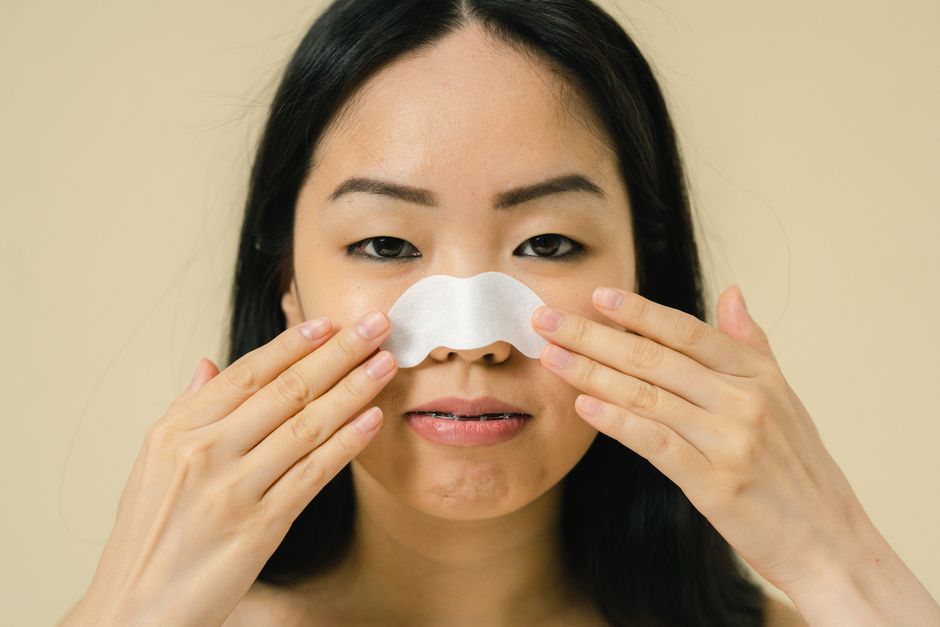
A nosebleed can feel alarming, but most are easy to handle at home. The correct way to stop a bleeding nose is to sit up straight, lean slightly forward, pinch the soft part of your nose shut for 10 to 15 minutes without checking, and breathe through your mouth. This direct pressure stops the bleeding in almost all cases. Do not tilt your head back. Do not stuff tissues up your nose. These old methods can make things worse.
Why Do Nosebleeds Happen?
Most nosebleeds start in the front of the nose. This area is called Kiesselbach’s plexus. It has many tiny blood vessels close to the surface. Dry air, picking, or a light bump can break them open. The medical name for this is an anterior nosebleed. It accounts for about 90 percent of all cases.
Less common are posterior nosebleeds. These start deeper in the nasal cavity. They are more common in older adults and people with high blood pressure. These bleeds often flow down the throat rather than out the front. They are harder to stop at home. If you taste blood or feel it dripping down your throat, you may have this type.
Research published in American Family Physician notes that nosebleeds are rarely a sign of a serious problem. Most are caused by dry air, allergies, or minor trauma. Blood thinners like aspirin and warfarin make nosebleeds harder to control but do not cause them.
How To Stop A Bleeding Nose Step by Step
Follow these steps exactly. Do not skip the timing. Most people stop pinching too early.
- Sit upright. Do not lie down. Sitting keeps blood pressure in your head lower and reduces blood flow to the nose.
- Lean forward. This keeps blood from running down your throat. Swallowing blood can irritate your stomach and cause vomiting.
- Pinch the soft part of your nose. Not the bony bridge. Use your thumb and index finger. Press firmly against the septum — the wall between your nostrils.
- Hold for 10 to 15 minutes without stopping. Use a clock. Do not peek early. Every time you release pressure, the clot breaks and the bleeding restarts.
- Breathe through your mouth. This keeps you calm and prevents you from sniffing.
After 15 minutes, release gently. If bleeding continues, repeat the same steps. If it has not stopped after two tries, you need medical help.
What Not to Do During a Nosebleed
Several popular nosebleed remedies do not work and can cause harm. Tilted head back is the most common mistake. Blood runs down the throat instead of out the nose. This can cause nausea, coughing, or choking. It also makes it harder to see how much blood you have lost.
Stuffing tissues or cotton balls into the nose is another bad idea. The material sticks to the clot. When you pull it out, you tear the clot open again. This can restart the bleeding worse than before. Some people use nasal decongestant sprays like oxymetazoline (Afrin) to constrict blood vessels. This can help in some cases, but the evidence is mixed. The American Academy of Otolaryngology advises against it for routine use because it can damage nasal tissue with repeated use.
Do not blow your nose for at least 24 hours after a nosebleed stops. Blowing dislodges the clot. Do not lift heavy objects or strain. These actions raise blood pressure and can restart bleeding.





When to See a Doctor
Most nosebleeds stop on their own or with pressure. Some require medical attention. The CDC and the American Academy of Otolaryngology recommend seeing a doctor if:
- Bleeding continues for more than 20 minutes of direct pressure
- You lose a large amount of blood — more than a cup
- You feel dizzy, lightheaded, or faint
- The bleeding is caused by a serious injury like a car crash or a fall
- You are taking blood thinners and cannot stop the bleeding
- You have nosebleeds that come back often
A doctor can cauterize the bleeding vessel with silver nitrate or pack the nose with a special gauze. In rare cases, they may use a balloon catheter to apply pressure from inside. Posterior nosebleeds often require an ear, nose, and throat specialist (ENT).
How to Prevent Future Nosebleeds
Dry air is the most common trigger. Using a humidifier in your bedroom at night adds moisture to the air. This keeps the nasal lining from drying out and cracking. A saline nasal spray or gel can also help. Apply a thin layer of petroleum jelly inside each nostril before bed. This is especially helpful in winter when indoor heating dries the air.
Keep your fingernails short and stop picking your nose. This sounds basic, but it is the second most common cause after dry air. If allergies are a trigger, treat them with antihistamines or nasal steroid sprays as directed by your doctor.
Blood thinners increase risk. If you take aspirin, warfarin, or clopidogrel, talk to your doctor before stopping. Never stop a prescribed medication on your own. Some studies suggest that high blood pressure may increase the risk of nosebleeds, especially in older adults. Keeping your blood pressure under control may help, though the evidence is not strong enough to call it proven.
Comparing Common Nosebleed Methods
| Method | Does It Work? | Evidence Level |
|---|---|---|
| Pinch nose and lean forward | Yes | Strong — recommended by the American Academy of Otolaryngology |
| Tilt head back | No | Harmful — causes blood to flow down throat |
| Stuff nose with tissue | No | Harmful — disrupts clot formation |
| Nasal decongestant spray | Sometimes | Mixed — may help but can damage tissue with repeated use |
| Ice pack on nose or forehead | Not proven | Weak — some people report it helps, but no strong evidence |
| Humidifier or saline gel | Yes (prevention) | Strong — prevents drying that leads to bleeding |
Common Misconceptions About Nosebleeds
One widespread myth is that nosebleeds are caused by high blood pressure. This is not true for most people. A sudden spike in blood pressure can make a nosebleed worse, but chronic high blood pressure is not a direct cause. Research in the journal Hypertension found no strong link between routine hypertension and nosebleeds. However, people with very high blood pressure — above 180/120 — may have more trouble stopping a nosebleed once it starts.
Another myth is that nosebleeds are a sign of a brain tumor or other serious disease. This is extremely rare. The vast majority of nosebleeds are benign. If you have frequent nosebleeds along with unexplained bruising or bleeding from other places, that could signal a clotting disorder. But a nosebleed alone is almost never a sign of cancer.
Some people believe that eating certain foods can cause nosebleeds. Spicy foods, chocolate, and alcohol are commonly blamed. There is no clinical evidence that any food directly causes nosebleeds. Alcohol can thin the blood slightly and may make bleeding harder to stop, but it does not cause the initial bleed.
Frequently Asked Questions
How long should I pinch my nose for a nosebleed?
Pinch the soft part of your nose firmly for 10 to 15 minutes without stopping. Use a timer so you do not release early.
Can I lie down during a nosebleed?
No. Sit upright and lean forward. Lying down increases blood pressure in your head and can cause blood to run down your throat.
Should I use ice for a nosebleed?
Some people find it soothing, but there is no strong evidence that ice stops nosebleeds. Focus on direct pressure instead.
When is a nosebleed an emergency?
If bleeding lasts more than 20 minutes, you lose a large amount of blood, or you feel faint, seek emergency care.
