
Erectile function depends heavily on blood flow, and blood flow depends heavily on what you eat. The right foods support the health of your blood vessels, helping them relax and expand so blood can fill the penis and stay there. No single food is a cure, but a consistent pattern of eating can make a real difference in how long you stay erect.
How Do Foods Actually Affect Erections?
An erection happens when blood flows into the penis faster than it flows out. That process requires healthy blood vessels that can widen easily. The inner lining of your blood vessels, called the endothelium, controls this widening. When the endothelium works well, blood flows freely. When it is damaged, blood flow slows down.
Foods affect this system in two main ways. Some foods protect the endothelium from damage. Others help the body produce more nitric oxide, a molecule that tells blood vessels to relax and open up. Both effects matter for staying erect longer.
Nitric oxide is the key chemical here. It is produced inside the blood vessel lining. When it is released, the smooth muscle around the vessel relaxes. The vessel widens. More blood enters the penis. The chambers inside the penis fill up and stay full, keeping the erection firm.
This is not about quick fixes. The benefits come from what you eat most days, not from one special meal before sex.
Which Foods Boost Nitric Oxide Production?
Nitric oxide is made from an amino acid called L-arginine. Your body also uses L-citrulline, which converts into L-arginine. Foods rich in these amino acids give your body the raw materials it needs.
Watermelon is one of the best food sources of L-citrulline. The white part of the rind contains the highest concentration, but the flesh has meaningful amounts too. Some research suggests that regular watermelon consumption can improve blood vessel function, though most studies have used concentrated extracts rather than whole fruit.
Beets and beet juice are also strong options. Beets are naturally high in nitrates. Your body converts these nitrates into nitric oxide. Studies have shown that beet juice can lower blood pressure and improve blood flow within hours of consumption. The effect is real, but it is temporary. You need regular intake to maintain the benefit.
Leafy greens like spinach, arugula, and kale work the same way. They deliver dietary nitrates that your body turns into nitric oxide. A salad with arugula and spinach provides a meaningful nitrate dose.
What Role Do Antioxidants Play in Staying Erect?
Antioxidants protect the endothelium from oxidative stress. Oxidative stress damages blood vessel walls over time. When the vessel lining is damaged, it produces less nitric oxide and cannot widen as easily. This is one reason erectile dysfunction becomes more common with age.
Flavonoids are a class of antioxidants found in many plant foods. Research has linked higher flavonoid intake with lower rates of erectile dysfunction. Berries, citrus fruits, apples, and dark chocolate all contain flavonoids.
One large study of middle-aged men found that those who consumed more flavonoids had a lower risk of developing erectile dysfunction. The strongest associations appeared with berries, citrus fruits, and apples. The effect was dose-dependent, meaning more intake was linked with more protection.
Vitamin C and vitamin E also protect blood vessels. Citrus fruits, bell peppers, and nuts provide these vitamins in useful amounts. The goal is not to take high-dose supplements but to eat a steady supply of these nutrients from whole foods.
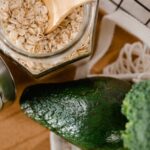

How To Stay Erect Longer With The Right Foods
Focus on foods that support blood flow and protect your blood vessels. Build your meals around vegetables, fruits, whole grains, and lean proteins. This pattern of eating is sometimes called a Mediterranean-style diet, and it has the strongest evidence behind it for erectile health.
Specific foods to include regularly:
- Watermelon for L-citrulline
- Beets and leafy greens for dietary nitrates
- Berries and citrus for flavonoids
- Nuts and seeds for vitamin E and healthy fats
- Oily fish like salmon for omega-3 fatty acids
- Whole oats and barley for steady blood sugar
Omega-3 fatty acids from fish reduce inflammation in blood vessels. Less inflammation means the endothelium functions better. The American Heart Association recommends eating fish at least twice a week, with an emphasis on fatty fish like salmon, sardines, and mackerel.
Whole grains matter because they keep blood sugar stable. High blood sugar damages blood vessels over time. Keeping glucose in a normal range protects the endothelium and preserves erectile function.
Which Foods Should You Limit or Avoid?
Ultra-processed foods and added sugars are the main dietary threats to erectile function. These foods promote inflammation and oxidative stress. Over time, they damage the blood vessel lining and reduce nitric oxide production.
Fried foods and foods high in trans fats are particularly harmful. They raise LDL cholesterol, which can lead to plaque buildup in the arteries. Narrower arteries mean less blood can reach the penis. This directly affects both the ability to get an erection and the ability to maintain one.
Excess alcohol is another problem. Small amounts of alcohol may help some men relax, but heavy drinking damages blood vessels and reduces testosterone production. The effect on erections is negative.
High sodium intake raises blood pressure. High blood pressure damages the endothelium and is a leading cause of erectile dysfunction. Most processed foods contain far more sodium than you need. Cooking at home with fresh ingredients gives you control over salt intake.
Can Specific Foods Work Immediately?
Some foods have short-term effects. Watermelon and beet juice can raise nitric oxide levels within a few hours. This does not mean they guarantee an erection, but they can improve blood flow in the moment.
Pomegranate juice has been studied for its potential to improve erectile function. Some small trials found improvements in men with mild erectile dysfunction. Other studies found no significant benefit. The evidence is mixed, but pomegranate is a healthy drink regardless, with no known downside at normal consumption levels.
Dark chocolate with high cocoa content contains flavanols that may improve blood vessel function. One small study found that men who ate dark chocolate daily had better blood flow. The effect was modest and the study was small. Chocolate cannot replace other lifestyle changes, but it is a reasonable treat.
Do not expect any single food to act like a medication. Medications for erectile dysfunction work by a specific chemical pathway and have a rapid, predictable effect. Foods work slowly and subtly. The benefit builds over weeks and months of consistent eating.
What Else Matters Besides Food?
Diet is one piece of the puzzle. Physical activity is equally important. Exercise improves blood vessel function and increases nitric oxide production. Aerobic exercise like brisk walking, cycling, or swimming for at least 150 minutes per week has been shown to improve erectile function in many men.
Body weight matters too. Excess weight, especially around the abdomen, is linked with lower testosterone and poorer blood vessel function. Weight loss of even 5 to 10 percent of body weight can improve erectile function in overweight men.
Sleep is often overlooked. Poor sleep reduces testosterone production and increases stress hormones. Both effects harm erectile function. Aim for seven to eight hours of quality sleep per night.
Smoking is one of the most damaging habits for erectile health. Tobacco smoke damages the endothelium and reduces nitric oxide availability. Quitting smoking improves blood flow within weeks.
Stress and anxiety also play a role. When you are stressed, your body releases adrenaline and cortisol. These hormones constrict blood vessels and make it harder to maintain an erection. Managing stress through exercise, meditation, or counseling can help.
When Should You See a Doctor?
Erectile dysfunction can be an early warning sign of cardiovascular disease. If you have trouble getting or keeping an erection, especially if it started recently, see a doctor. The blood vessels in the penis are smaller than those in the heart. They often show signs of damage earlier.
Men with diabetes, high blood pressure, or high cholesterol should be especially attentive. These conditions directly damage blood vessels. Treating them can improve erectile function.
Medications can also cause erectile dysfunction. Common culprits include certain blood pressure drugs, antidepressants, and prostate medications. If you started a new medication and noticed changes, talk to your doctor. Never stop a prescribed medication without medical guidance.
Diet changes can help, but they are not a substitute for medical care. If your symptoms persist despite healthy eating and exercise, a doctor can identify underlying causes and discuss treatment options.
Frequently Asked Questions
How long does it take for diet changes to improve erections?
Most men notice improvements within four to eight weeks of consistent healthy eating. The timeline depends on how much blood vessel damage already exists and whether other factors like smoking or inactivity are also addressed.
Is watermelon really effective for erectile dysfunction?
Watermelon contains L-citrulline, which the body converts into L-arginine and then nitric oxide. Some small studies suggest it improves blood flow, but the effect is modest compared to medications and requires regular consumption.
Can beet juice help you stay erect longer?
Beet juice raises nitrate levels in the blood, which increases nitric oxide production and improves blood vessel dilation. The effect lasts several hours after drinking it, but consistent intake over time provides the most benefit.
Do supplements work as well as foods for erectile function?
Whole foods provide a complex mix of nutrients that work together, while supplements deliver isolated compounds with less predictable effects. No supplement has been proven to match the benefits of an overall healthy diet for erectile function.
