
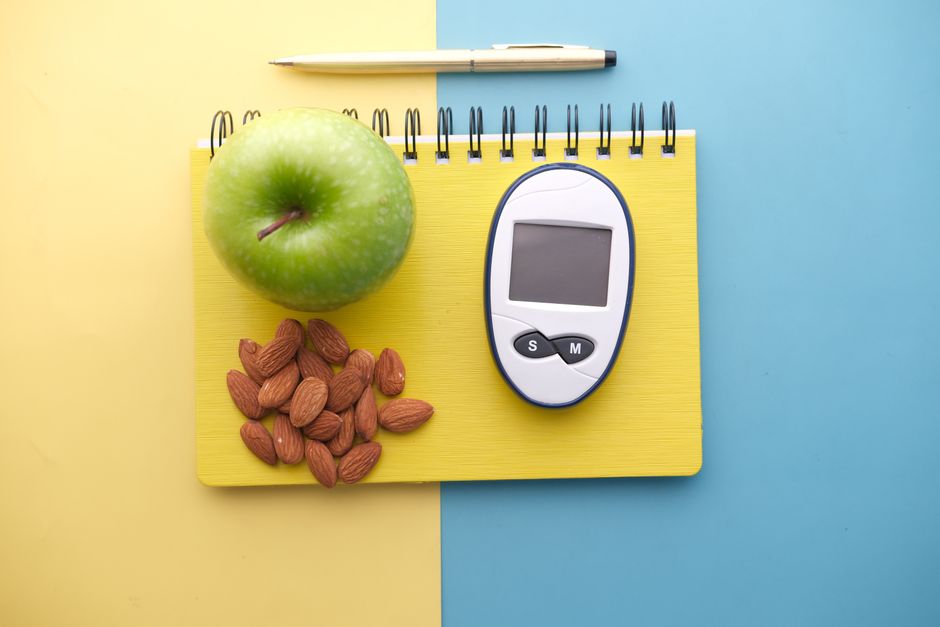
Feeling shaky, irritable, or foggy after a meal or a long stretch without food is your body telling you that blood sugar has swung outside its comfortable range. The fastest way to stabilize it is to stop adding more fast-acting carbohydrate, move your muscles, and give the system 15 to 20 minutes to settle. For most healthy adults, a short walk and a glass of water will do more in the next half hour than any supplement on the shelf.
What follows is what the physiology actually supports — and where the popular advice runs ahead of the evidence.
How To Stabilize Blood Sugar Quickly And Naturally
Blood sugar stability is mostly a story about two hormones: insulin, which moves glucose out of the blood and into cells, and glucagon, which releases stored glucose when levels drop. When these two are working in balance, glucose stays in a fairly narrow range. When they are not, you feel the swing.
The fastest natural levers, in rough order of speed:
- Movement. Working muscle can take up glucose without needing much insulin at all. A 10 to 15 minute walk after eating is one of the most reliable short-term tools we have.
- Water. Dehydration concentrates glucose in the blood. Drinking water does not lower glucose directly, but it prevents a mild dehydration effect from making readings look worse.
- Protein and fat. If you need to eat and your glucose is already high, choosing protein, fat, or fiber over refined carbohydrate avoids adding fuel to the fire.
- Time. For a non-diabetic person, a mild post-meal rise typically resolves on its own within one to two hours.
None of this replaces medical treatment for diabetes. If you take insulin or a sulfonylurea, a “high” reading and a “low” reading need different responses, and guessing wrong can be dangerous.
What Actually Causes Blood Sugar To Spike And Crash?
A spike after eating is normal. Glucose rising after a meal is not a malfunction — it is the expected response to food, and the body is designed to bring it back down. The problem is not the rise. It is how high it goes and how long it stays there.
Refined carbohydrates — white bread, sugary drinks, most breakfast cereals — are digested quickly and hit the bloodstream fast. Fiber, protein, and fat slow that process down. This is why a meal of white rice and juice produces a sharper rise than the same calories eaten as beans, chicken, and vegetables.
The crash that follows is often more about the response than the food. A large insulin release can push glucose down briskly, and the resulting low — even a mild one — triggers hunger, irritability, and cravings for more carbohydrate. That cycle is real and well documented.
Other factors that genuinely move glucose:
- Sleep debt. Short sleep reduces insulin sensitivity the next day.
- Stress. Cortisol raises glucose as part of the fight-or-flight response.
- Illness and infection. The body deliberately raises glucose to fuel immune activity.
- Some medications, including certain steroids and some blood pressure drugs.
- Hormonal shifts, including those around menstruation and menopause.
One clarification worth making: “blood sugar spikes” have become a wellness marketing term, and continuous glucose monitors sold to non-diabetics have fueled a lot of anxiety. In people without diabetes, ordinary post-meal rises are not automatically harmful. The evidence linking normal post-meal excursions in healthy people to long-term disease is not established.
Does Walking Really Lower Blood Sugar?
Yes, and the effect is one of the better-supported findings in this area. Muscle contraction increases glucose uptake into cells through a pathway that does not require insulin. That means movement works even when insulin signaling is impaired — which is exactly the situation in type 2 diabetes.
Timing matters more than intensity. A gentle walk within 30 minutes of eating tends to blunt the post-meal rise more than the same walk done hours later. You do not need a gym. Walking around the block, doing light housework, or taking the stairs instead of the elevator all count.
Resistance training has a longer tail. A single session of strength training can improve insulin sensitivity for hours afterward, and regular training improves it more durably. But for the next 20 minutes, walking is the faster tool.




Which Foods Help Stabilize Blood Sugar?
No single food stabilizes blood sugar. What helps is the pattern of a meal — specifically, pairing carbohydrate with protein, fat, and fiber so glucose enters the bloodstream more slowly.
Foods that consistently produce a gentler rise include:
- Legumes — lentils, chickpeas, black beans
- Non-starchy vegetables — leafy greens, broccoli, peppers
- Whole intact grains — oats, barley, quinoa
- Nuts and seeds
- Fatty fish, eggs, poultry, tofu
- Plain yogurt without added sugar
Vinegar is a popular claim. Some small studies have found that vinegar taken with a meal modestly reduces the post-meal glucose rise. The effect sizes are small, the studies are short, and results vary. It is not a treatment. If you want to try it, a small amount with food is the low-risk approach, and it is worth asking your clinician first if you take diabetes medication.
Cinnamon is another frequent claim. The evidence is mixed. Some trials show small improvements in fasting glucose; others show none. It is not a substitute for anything.
What reliably produces a sharper rise: sugary drinks, white bread, white rice, most breakfast cereals, candy, and fruit juice in large amounts. Fruit itself is different — the fiber and water content slow absorption, and whole fruit is not the same as juice.
Does Sleep And Stress Affect Blood Sugar?
More than most people realize. A single night of poor sleep measurably reduces insulin sensitivity the following day, even in healthy adults. Chronic short sleep is associated with higher risk of developing type 2 diabetes over time.
Stress works through cortisol, which raises glucose as part of the body’s preparation for a threat. That response is useful if you actually need to run from something. It is less useful when the stressor is an email inbox.
Practical steps that have evidence behind them:
- Aim for 7 to 9 hours of sleep, consistent timing
- Get morning light exposure to anchor your circadian rhythm
- Move your body most days
- Limit alcohol, which disrupts sleep quality even when it helps you fall asleep
None of these are quick fixes. They are the background conditions that determine how well the quick fixes work.
When Should You See A Doctor About Blood Sugar?
See a clinician if you have symptoms that could indicate diabetes — excessive thirst, frequent urination, unexplained weight loss, blurred vision, or slow-healing wounds — or if you are monitoring at home and readings are consistently outside the normal range.
Established diagnostic thresholds for diabetes are a fasting glucose of 126 mg/dL or higher on two occasions, a two-hour glucose of 200 mg/dL or higher during an oral glucose tolerance test, or an A1C of 6.5% or higher. Prediabetes is generally defined as a fasting glucose of 100 to 125 mg/dL or an A1C of 5.7% to 6.4%. These are the standard criteria used in clinical practice.
If you take insulin or a sulfonylurea, low blood sugar is the more urgent concern. Symptoms include shakiness, sweating, confusion, and rapid heartbeat. The standard treatment for a low is 15 grams of fast-acting carbohydrate — about four glucose tablets or four ounces of juice — followed by rechecking in 15 minutes. This is established guidance, not a suggestion.
Any reading above 300 mg/dL with symptoms, or any sign of diabetic ketoacidosis such as nausea, deep rapid breathing, or fruity-smelling breath, is a medical emergency. Call for help.
What Does Not Work
A lot of what is sold for blood sugar does not hold up. Chromium, bitter melon, berberine, and various “glucose support” supplements have either weak, mixed, or absent evidence in humans. Berberine has some small trials showing modest effects, but it interacts with several medications and is not risk-free.
Alkaline water, celery juice, and “blood sugar detox” programs have no clinical evidence behind them. Continuous glucose monitors marketed to people without diabetes can produce useful data, but interpreting normal post-meal rises as a problem is not supported by the evidence.
The honest position: the interventions with the strongest evidence are unglamorous. Move after meals. Sleep. Eat protein and fiber with carbohydrate. Drink water. Manage stress. See a clinician if readings are consistently abnormal. Everything else is either a small addition or a distraction.
Frequently Asked Questions
How can I lower my blood sugar quickly without medication?
A 10 to 15 minute walk and a glass of water are the fastest natural options for most people, and they work within about 20 to 30 minutes. If you take diabetes medication, check with your clinician before relying on lifestyle measures alone.
What is the fastest food to stabilize blood sugar?
No food stabilizes blood sugar quickly — food raises it, and the goal is a gentler rise. Pairing carbohydrate with protein, fat, or fiber slows absorption, and a handful of nuts is a practical example.
Does drinking water lower blood sugar?
Water does not lower glucose directly, but dehydration concentrates it in the blood, so staying hydrated keeps readings from looking artificially high. It is a supporting measure, not a treatment.
Can stress cause high blood sugar?
Yes. Cortisol released during stress raises glucose as part of the body’s threat response, and this effect is well documented. Chronic stress can keep glucose elevated over time.
