
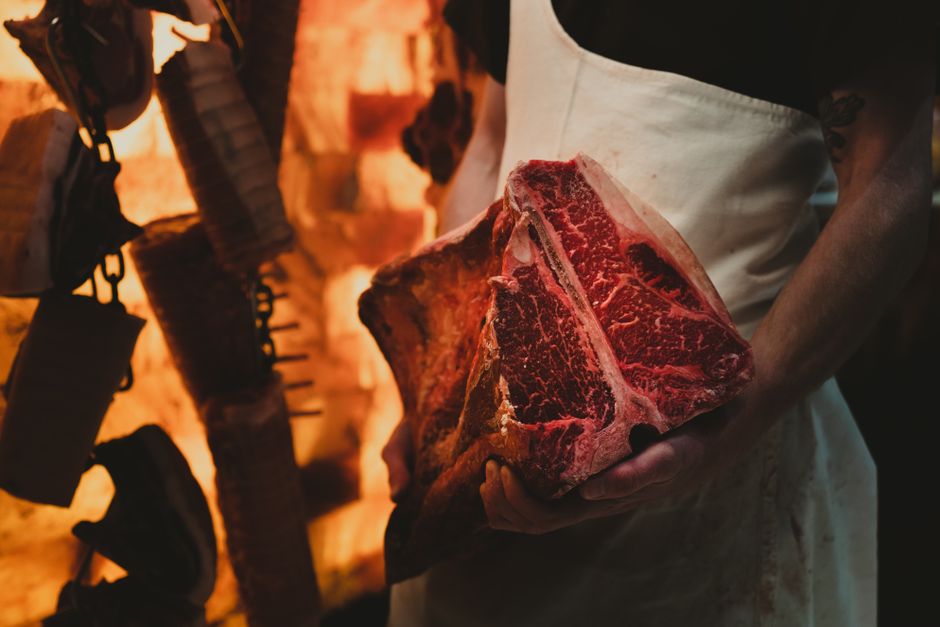
Dry aged steak should smell earthy and pleasantly funky, look deep red to brownish on the surface with dry edges, and feel firm and tacky rather than wet or slimy. Bad dry aged steak smells sour, putrid, or like ammonia, shows green or gray patches, or feels slick and sticky. Those three signals — smell, color, and texture — are the practical way to judge whether a piece of dry aged beef is still good.
Dry aging is a controlled process of slow moisture loss and enzymatic change. It is not the same as spoilage, and it is not the same as ordinary raw beef sitting too long. Knowing what normal aging looks like is the only way to recognize when it has gone wrong.
How To Spot Bad Dry Aged Steak Smell Color Texture?
You judge dry aged steak the same way a butcher does: with your nose first, your eyes second, and your hands last. Each sense catches a different kind of problem.
The nose is the most reliable early warning. Properly aged beef has a smell that people often describe as nutty, earthy, or like mushrooms, with a distinct funk. It is strong but clean. Bad beef smells sour, like vinegar or spoiled milk, or sharp and chemical like ammonia. That ammonia note matters — it can signal protein breakdown that has gone past what aging should do.
Your eyes catch color problems. A good dry aged steak is a deep, saturated red to purplish-red, often darker at the surface where moisture has left. The exterior crust may be dark brown to nearly black, which is normal and is usually trimmed before cooking. What you do not want to see is green, blue-green, or gray fuzz, or patches of color that look like mold rather than crust.
Your hands catch texture problems. Dry aged beef feels firm and slightly tacky, not wet. The surface should be dry to the touch because moisture has been pulled out. If it feels slick, slippery, or leaves a sticky film on your fingers, that points toward bacterial growth rather than aging.
What Does Normal Dry Aged Steak Actually Smell Like?
Normal dry aged beef smells funky, and that funk is expected. The aroma is often compared to blue cheese, mushrooms, or toasted nuts. It is pungent but not offensive.
The strength of the smell grows with aging time. A steak aged a few weeks will be milder than one aged much longer. The smell also concentrates at the surface crust, which is why the trimmed interior smells far less intense than the outside of the cut.
The key distinction is between a smell that is strong and a smell that is wrong. Strong and earthy is normal. Sour, rotten, or ammonia-like is not. If you recoil and your instinct says spoiled food, trust that instinct.
What Colors Are Normal and What Colors Mean Trouble?
Normal dry aged beef ranges from deep red to dark brownish-red, with a dark exterior crust. The color shifts because moisture loss concentrates pigments and because the surface oxidizes during aging.
Trouble colors are green, blue-green, and gray. These can indicate mold or bacterial growth that has gone beyond the beneficial surface molds sometimes present in aging environments. Some dry aging rooms do develop surface molds that are part of the process, but those are managed by trained producers and trimmed away. On a steak you bought at retail, green or fuzzy growth is a reason to stop.
One clarification worth knowing: brown is not automatically bad. Beef turns brown when it meets oxygen, a normal process called oxidation. Dark brown on a dry aged steak is expected. Green and fuzzy is the real warning.





How Should Good Dry Aged Steak Feel?
Good dry aged steak feels firm and dry on the surface, with a slight tackiness. It should not feel wet or leave moisture on your hand.
The firmness comes from moisture loss during aging. A properly aged steak is denser than a fresh one. When you press it, it should feel solid, not spongy.
Bad texture shows up as slickness, slime, or a sticky film. Slimy beef is a classic sign of bacterial spoilage. If the surface feels slippery the way old lunch meat does, that steak is not safe to cook and eat, no matter how it looks.
Can You Cook Away Spoiled Dry Aged Steak?
No. Cooking does not make spoiled beef safe. Heat kills live bacteria, but it does not remove the toxins some bacteria produce as they grow. Those toxins can survive cooking and cause illness.
This is a common and dangerous misunderstanding. People sometimes think a strong sear or a long cook will fix a questionable steak. It will not. If the steak smells sour or putrid, looks green, or feels slimy, discard it.
Food safety guidance from public health authorities is consistent on this point: when in doubt, throw it out. That applies to dry aged beef like any other meat.
What About the White Fuzz or Dry Crust on Aged Beef?
A dry, dark crust on the outside of aged beef is normal and expected. It is the dried surface layer, and it is usually trimmed off before the steak is sold or cooked.
White surface mold is more complicated. Some aging operations do develop harmless surface molds as part of the process, and producers trim them away. But that is a controlled commercial setting with trained eyes. At home or at retail, you cannot reliably tell harmless surface mold from harmful growth by looking.
If you see fuzzy growth of any color on a steak you bought, treat it as a reason not to eat that steak. The safe call is the simple one.
Does Dry Aging Ever Go Wrong in a Way You Cannot See?
Yes, and this is where smell and texture matter more than appearance. A steak can look acceptable and still be spoiled. Bacterial growth does not always change color visibly, especially early on.
This is why butchers rely on smell and touch as much as sight. A steak that looks fine but smells sour or feels slick is still a bad steak. The reverse is also true — a dark, crusty exterior that smells earthy and feels firm is likely fine.
If you are buying dry aged beef, buy from a source you trust and ask how it was aged and handled. Reputable butchers and producers track temperature and humidity closely during aging. Problems usually come from breaks in that control, not from aging itself.
How Should You Store Dry Aged Steak to Keep It Good?
Store dry aged steak cold and use it within the timeframe the seller gives you. Keep it refrigerated, wrapped so it does not dry out further or pick up odors from other food.
Freezing extends storage time. Wrap the steak tightly to limit freezer burn, and thaw it in the refrigerator rather than on the counter. Once thawed, treat it like fresh beef and cook it promptly.
Leftover cooked steak should be refrigerated and eaten within a few days. Public health guidance on leftovers is consistent and worth following closely with any meat.
The Bottom Line on Judging Dry Aged Steak
Trust your senses and do not overthink it. Earthy, mushroom-like smell is normal. Sour, putrid, or ammonia smell is not. Deep red to brown color is normal. Green or fuzzy growth is not. Firm and tacky texture is normal. Slick and slimy is not.
Dry aging is a real process with real results, and a good dry aged steak will smell strong and look dark. That intensity is the point. What separates good from bad is not how dramatic the steak looks — it is whether the smell is clean, the color is in the right range, and the surface feels dry rather than slick.
Frequently Asked Questions
What does bad dry aged steak smell like?
Bad dry aged steak smells sour, putrid, or sharply of ammonia. Normal dry aged beef smells earthy, nutty, or like mushrooms, which is strong but clean.
Is brown color on dry aged steak bad?
No, brown is normal on dry aged beef and comes from oxidation and moisture loss. Green, blue-green, or fuzzy gray growth is the real warning sign.
Can you eat dry aged steak if it feels slimy?
No. Slimy or slick texture points to bacterial spoilage, and cooking will not make it safe. Discard it.
Does cooking kill bacteria in spoiled steak?
Cooking kills live bacteria but does not remove toxins they may have produced. Spoiled beef should be thrown out, not cooked.
