
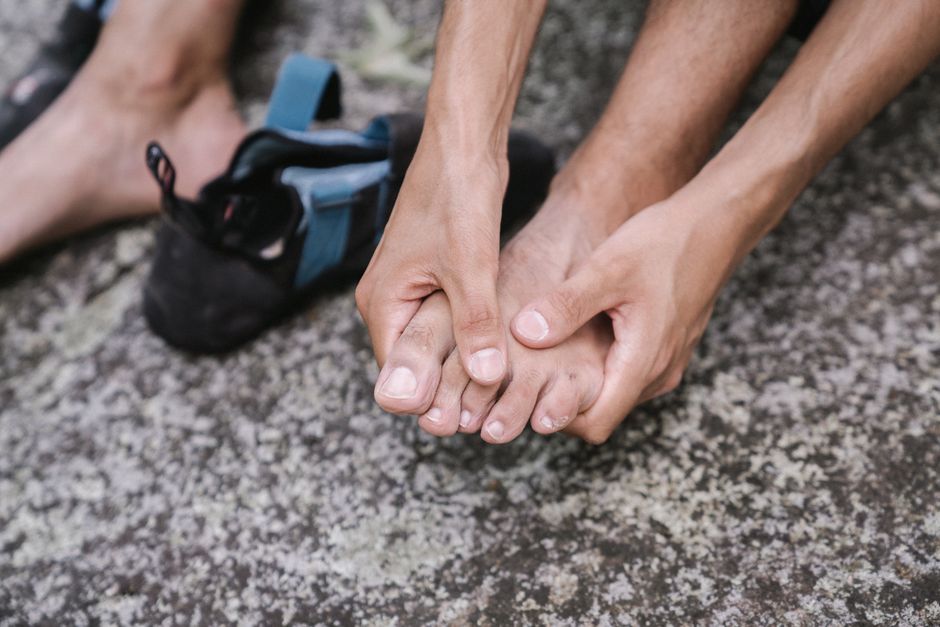
Calluses are your skin’s way of protecting itself from repeated pressure or friction. They are thickened, hardened areas of skin that develop most often on your hands and feet. The goal of home treatment is not to remove them completely, but to reduce their thickness and keep your skin healthy. You can heal calluses at home by gently softening the skin with warm water, using a pumice stone to file away dead skin, and applying a rich moisturizer daily. Preventing them from coming back requires finding and stopping the source of the friction, which usually means changing your shoes, wearing protective gloves, or using cushioning pads.
What Exactly Causes a Callus to Form?
A callus is a direct response to mechanical stress. When your skin is rubbed or pressed repeatedly, the outer layer thickens to shield the deeper, living tissue underneath. Think of it as your body building a natural protective pad. The most common causes are ill-fitting shoes, walking barefoot on hard surfaces, and repetitive motions like gripping a tool or playing a guitar.
Some people are more prone to calluses because of the natural structure of their feet. If you have high arches or flat feet, your weight distribution changes, creating pressure points that lead to callus formation. The American Academy of Dermatology notes that calluses are rarely a medical problem on their own, but they can become painful if they grow too thick and press on nerves.
A common confusion is between calluses and warts. A wart is caused by a virus and has tiny black dots (clotted blood vessels) in its center. A callus is uniform in color and has no dots. If you are unsure what you are dealing with, it is worth checking with a podiatrist or dermatologist before starting any home treatment.
How To Heal Calluses Home Treatment And Prevention Safely
The safest and most effective home method involves three steps: softening, gentle exfoliation, and moisturizing. Start by soaking the affected area in warm, soapy water for 10 to 15 minutes. This softens the hardened skin, making it easier to remove. Do not use hot water, as it can burn or irritate the healthy skin around the callus.
After soaking, use a pumice stone or a foot file to gently rub the callus in a circular motion. The key word here is “gentle.” You are only removing the dead, flaky top layers. If you feel pain or see redness, you are going too deep. Research published in the Journal of the American Podiatric Medical Association confirms that this mechanical exfoliation is effective when done consistently, but it must be paired with a good moisturizer to prevent the skin from drying out and cracking.
Apply a thick moisturizer or cream containing urea, lactic acid, or salicylic acid immediately after drying the area. These ingredients help break down the bonds holding dead skin cells together. The American Academy of Dermatology recommends creams with 10-20% urea for calluses. Apply the moisturizer twice a day, especially after bathing. For stubborn calluses, you can apply the cream and then cover the area with a cotton sock or bandage overnight to increase absorption.
| Method | How It Works | Best For |
|---|---|---|
| Pumice stone or foot file | Physically removes dead skin layers | Mild to moderate calluses |
| Moisturizers with urea or lactic acid | Chemically breaks down keratin | Thick, dry calluses |
| Salicylic acid pads or gels | Dissolves the protein structure of callus | Stubborn, painful calluses |
| Epsom salt soak | Softens skin and may reduce mild inflammation | General foot care and relaxation |
What Home Treatments Should You Avoid?
Several popular “hacks” for callus removal can do more harm than good. The most dangerous is using a razor blade, scalpel, or callus shaver at home. You cannot see the boundary between dead and living skin clearly. One wrong move can cut into healthy skin, cause bleeding, and lead to a serious infection, especially in people with diabetes or poor circulation. Podiatrists have a saying: “Never cut your own calluses.”
Over-the-counter medicated pads with high concentrations of salicylic acid should also be used with caution. While effective, they can burn the healthy skin surrounding the callus if left on too long or applied incorrectly. The FDA warns that these products are not safe for people with diabetes or peripheral artery disease because of the increased risk of non-healing wounds.
Avoid trying to rip or peel off a callus with your fingers or a tool. This almost always takes off too much skin and creates an open wound. Also, be skeptical of products that promise “instant” callus removal. Healthy skin does not heal instantly. Any product that claims to dissolve a callus in minutes is likely using harsh chemicals that damage your skin barrier.





How Can You Prevent Calluses From Coming Back?
Prevention is more effective than treatment. The single most important step is identifying and removing the source of friction. For foot calluses, this almost always means your shoes are the problem. Look at where the callus is located. A callus on the side of your big toe often means your shoes are too narrow. A callus on the ball of your foot can mean your shoes lack proper arch support or cushioning.
Switch to shoes with a wider toe box, better arch support, and thick, shock-absorbing soles. You can also use over-the-counter silicone gel pads or moleskin to cushion pressure points. The American Orthopaedic Foot & Ankle Society recommends that you replace athletic shoes every 300-500 miles of walking or running, as worn-out soles lose their ability to absorb shock.
For hand calluses, prevention is about grip. If you lift weights, wear workout gloves. If you garden or use tools, wear padded work gloves. If you play guitar, take breaks and keep your hands moisturized. Grip strength training can actually help by building the muscle pads in your hands, which reduces pressure on the skin itself.
Daily moisturizing is also a preventive measure. Well-moisturized skin is more flexible and less likely to crack or thicken in response to friction. Make it a habit to apply a hand or foot cream every night before bed.
When Should You See a Doctor About a Callus?
Most calluses are harmless and can be managed at home. But there are clear signs that you need professional medical attention. If you have diabetes, peripheral artery disease, or any condition that reduces blood flow to your feet, do not treat calluses at home. The risk of infection and poor wound healing is too high. See a podiatrist for safe, professional care.
Other reasons to see a doctor include calluses that are painful, red, swollen, or draining fluid. These are signs of infection or an underlying problem like a bone spur or plantar wart. If a callus does not improve after several weeks of consistent home treatment, it is worth having it checked. A podiatrist can safely trim the callus with sterile instruments and determine if there is a structural issue in your foot that needs attention.
Some people report that calluses can crack and split, especially around the heel. These cracks, called fissures, can be painful and can become infected. Deep fissures often require professional treatment with debridement and prescription-strength moisturizers or antibiotics if infection is present. The CDC reports that foot ulcers are a leading cause of hospitalization for people with diabetes, which is why prevention and early treatment of calluses and cracks are so important for this population.
Common Misconceptions About Calluses
One of the most persistent myths is that calluses are a sign of good foot health or “tough” skin. In reality, a callus is a sign of abnormal pressure. Healthy skin should be smooth and flexible, not thick and hard. The idea that you need to “toughen up” your feet by walking barefoot is not supported by evidence. While walking barefoot on soft surfaces can strengthen foot muscles, it will not prevent calluses and may make them worse on hard surfaces.
Another common belief is that soaking your feet in vinegar or lemon juice will dissolve calluses. There is no clinical evidence that these acidic home remedies are effective. They can actually irritate and dry out your skin, making the problem worse. Stick to the methods that research supports: warm water, gentle exfoliation, and urea-based moisturizers.
Some people think that once a callus is removed, it is gone for good. That is not true. The callus will return if the source of friction is still present. Treatment and prevention must go hand in hand. You cannot treat a callus with a pumice stone in the evening and then wear the same tight shoes the next morning and expect lasting results.
Frequently Asked Questions
How often should I use a pumice stone on a callus?
Use a pumice stone 2-3 times per week after soaking the area in warm water for 10 minutes. Overuse can damage healthy skin.
Can I use a callus shaver or razor blade at home?
No, you should never use a razor blade or callus shaver at home. This can cause cuts, bleeding, and serious infection.
What is the best moisturizer for calluses?
Creams containing 10-20% urea or lactic acid are most effective. Apply them twice daily, especially after bathing.
Do calluses go away on their own?
Calluses will not go away on their own if the friction continues. They will only shrink if you remove the source of pressure and treat the thickened skin.
