
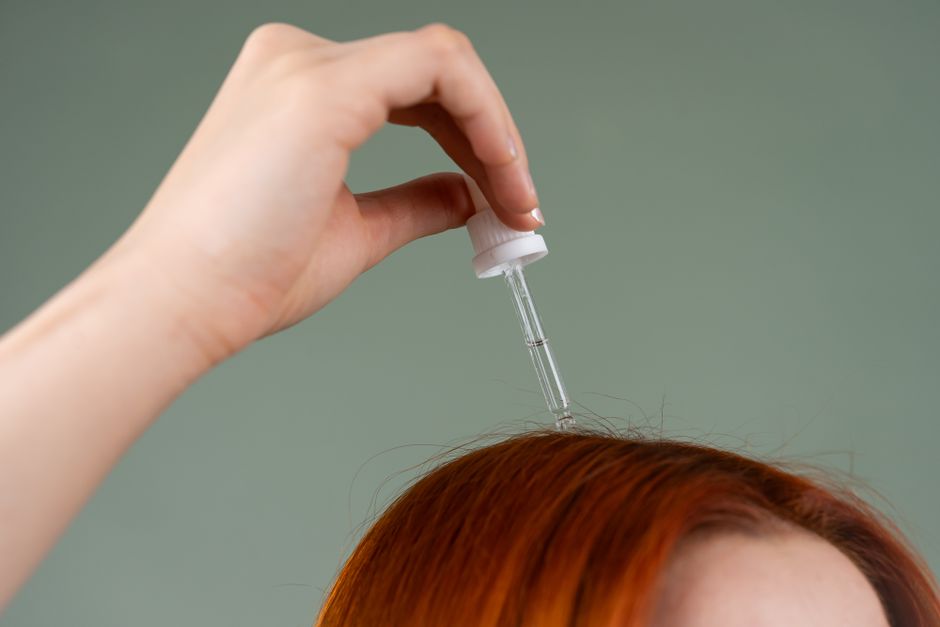
A burning sensation in one spot on your scalp is often caused by nerve irritation, skin inflammation, or a localized infection. Unlike generalized scalp pain, a single painful point usually points to a specific trigger rather than a widespread condition. The most common root causes include occipital neuralgia (a pinched nerve in the upper spine), contact dermatitis from a hair product, shingles before the rash appears, or a localized fungal infection. Less often, it may be related to tension headaches, psoriasis, or even an insect bite. The key is matching your symptoms to the cause because treatment varies completely depending on what is actually going on.
What is occipital neuralgia and how does it cause burning in one spot?
Occipital neuralgia happens when the occipital nerves that run from the top of your spinal cord up through your scalp become compressed or irritated. This condition typically causes a sharp, shooting, or burning pain on one side of the scalp. The pain often starts at the base of the skull and radiates upward.
Unlike a headache that feels like pressure or throbbing across your head, occipital neuralgia is usually a stabbing or electric-shock-like sensation in a very specific area. Some people describe it as a hot poker touching their scalp. The pain can be triggered by moving your neck, wearing a hat, or even lying on a pillow.
Diagnosis is mostly based on your description of the pain and a physical exam. Doctors sometimes inject a small amount of anesthetic near the occipital nerve. If the pain stops briefly after the injection, that strongly suggests occipital neuralgia is the cause.
Can shingles cause burning on the scalp before any rash appears?
Yes. Shingles (herpes zoster) often begins with pain, burning, or tingling in a specific area days before any visible rash shows up. The virus lives dormant in nerve roots after a chickenpox infection and can reactivate later in life. When it reactivates in nerves serving the scalp, the first symptom is often a burning sensation in one spot.
This pre-rash phase can last 1 to 5 days. Some people mistake it for a headache or a muscle strain. The burning is typically intense and limited to one side of the scalp. Once the rash appears as small fluid-filled blisters, the diagnosis becomes clear. But the burning phase is when people are most confused about what is happening.
If you have burning in one spot on your scalp and also feel generally unwell, have a headache, or notice sensitivity to light, shingles is a real possibility. Antiviral medications work best when started within 72 hours of symptoms, so early recognition matters.
What skin conditions cause a burning sensation in one spot on the scalp?
Several skin conditions can cause localized burning on the scalp. Contact dermatitis occurs when your skin reacts to an ingredient in shampoo, conditioner, hair dye, or styling products. The reaction can cause burning, itching, and redness in the area where the product touched your scalp most directly.
Scalp psoriasis can also cause burning. This autoimmune condition leads to thick, silvery scales and inflamed skin. When psoriasis plaques crack or become irritated, they can burn. The burning is usually accompanied by visible scaling and flaking, though sometimes the inflammation can be felt before it is seen.
Seborrheic dermatitis, while more commonly itchy, can also produce a burning sensation in some people. It typically affects the scalp with greasy yellowish scales. The burning is usually less intense than with psoriasis or contact dermatitis but can still be bothersome.





How can I tell if the burning is from a nerve problem versus a skin problem?
The pattern of your pain gives strong clues. Nerve pain like occipital neuralgia tends to be sharp, shooting, or electric. It often travels along a path from the base of your skull upward. Skin pain is usually more constant and surface-level, like a sunburn sensation. It stays in one place rather than radiating.
Look at your scalp closely in good light. If you see redness, flaking, bumps, blisters, or scaling, the cause is likely skin-related. If your scalp looks completely normal and the pain is deep or shooting, the problem is more likely nerve-related.
Another clue is what makes it worse. If touching or pressing on the spot makes the pain worse, that points toward nerve irritation. If washing your hair or applying products makes it worse, that points toward contact dermatitis or another skin issue.
Can tension or stress cause a burning spot on the scalp?
Yes, though this is less common than people think. Tension headaches typically cause a band-like pressure around the head, not a single burning point. However, some people experience scalp dysesthesia, a condition where stress or muscle tension alters how nerves in the scalp send pain signals.
Scalp dysesthesia feels like burning, stinging, or crawling on the scalp with no visible skin changes. It is often linked to anxiety, depression, or chronic neck tension. The burning is usually diffuse rather than a single point, but it can be localized in some cases.
If you have had the burning sensation for weeks with no rash, no clear trigger, and normal-looking skin, scalp dysesthesia is worth considering. It is a diagnosis of exclusion, meaning doctors rule out other causes first.
What other less common causes should I know about?
Temporal arteritis is a rare but serious condition that causes inflammation of the arteries in the scalp. It typically causes a throbbing headache on one side of the head and scalp tenderness. The scalp may feel sore or burning when you comb your hair. This condition requires urgent medical attention because it can lead to vision loss.
An insect bite or sting on the scalp can also cause a burning spot. This is often overlooked because people do not think to check their scalp for bites. The burning is usually accompanied by a small bump or area of swelling.
Folliculitis, an infection of the hair follicles, can cause burning if the infection is deep or widespread. You would typically see small pus-filled bumps around hair follicles. This is more common in people who sweat heavily or wear helmets or hats for long periods.
When should I see a doctor for a burning spot on my scalp?
See a doctor if the burning lasts more than a few days, if it is severe, or if you notice any rash, blisters, or swelling. Go to urgent care or the emergency room if you have vision changes, jaw pain when chewing, or a fever along with the scalp burning. These could be signs of temporal arteritis or shingles.
Also see a doctor if the burning interferes with sleep or daily activities. Occipital neuralgia can often be treated with nerve blocks or physical therapy. Early treatment of shingles reduces the risk of postherpetic neuralgia, a long-term nerve pain that can last months or years after the rash heals.
A dermatologist is the right specialist for skin-related causes. A neurologist is better for nerve-related causes. Your primary care doctor can help you determine which specialist to see first.
Frequently Asked Questions
Can a tight ponytail cause a burning spot on my scalp?
Yes. Tight hairstyles can irritate the nerves under the scalp and cause temporary burning or tenderness. This is called traction alopecia when it leads to hair loss, but the burning sensation itself is from nerve compression.
Is scalp burning a sign of high blood pressure?
No, there is no evidence linking high blood pressure directly to a burning sensation on the scalp. High blood pressure rarely causes any symptoms at all, which is why it is called the silent killer.
How long does shingles pain last on the scalp before the rash appears?
The burning or tingling usually starts 1 to 5 days before the rash becomes visible. Some people have pain without ever developing a rash, though this is less common.
Can shampoo cause a burning sensation on one spot of my scalp?
Yes. Contact dermatitis from an ingredient in shampoo or conditioner can cause burning, especially if the product was not rinsed thoroughly or if you are allergic to a specific chemical. Switching to a fragrance-free, gentle shampoo often helps.
