
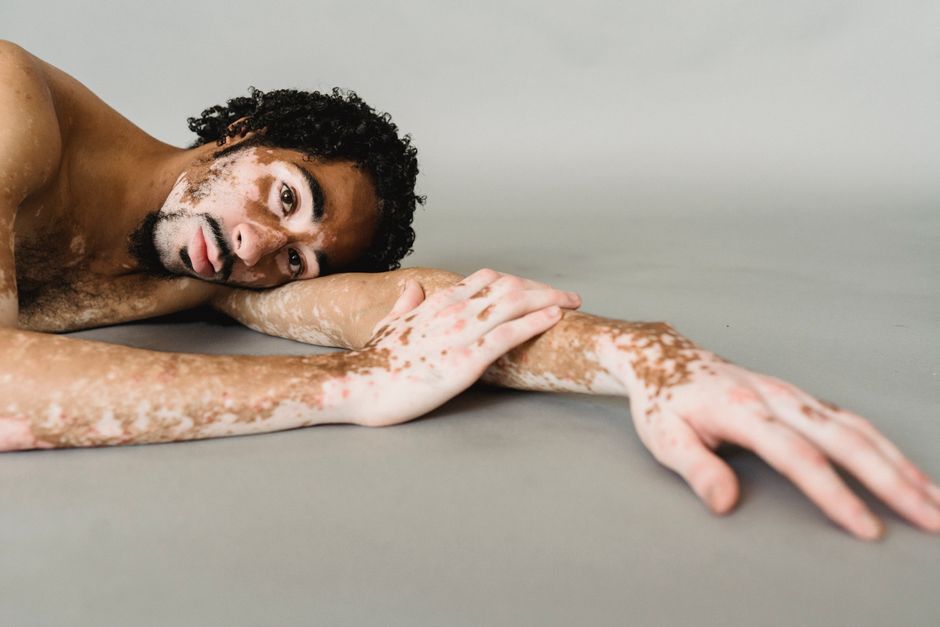
Yes, melanin production is largely genetic. Skin color is determined by the amount and type of melanin your body makes. This process is controlled by many genes working together. Over 150 genes are known to influence skin color, which is why people around the world have such a wide range of skin tones.
Is Melanin Genetic How Your Genes Control Skin Color
Your genes tell special cells called melanocytes how much melanin to produce. Melanocytes sit at the bottom layer of your skin. They make tiny packets of melanin and send them to other skin cells. The more melanin you produce, the darker your skin appears.
But it is not just about the amount. Your genes also determine the type of melanin you make. There are two main types. Eumelanin is brown or black. Pheomelanin is red or yellow. Most people make a mix of both. The exact blend depends on your specific genetic code.
How Do Genes Control Skin Color?
It starts with an enzyme called tyrosinase. This enzyme helps turn the amino acid tyrosine into melanin. The gene that makes tyrosinase is called TYR. If you have a version of this gene that produces less active tyrosinase, you will make less melanin overall.
But TYR is just one gene. Many other genes affect the process. Some genes control how many melanocytes you have. Others control how quickly melanin is made or how much gets shipped to skin cells. Still other genes influence the shape and size of the melanin packets, which changes how light reflects off your skin.
Your genetic code acts like a set of instructions. Even small changes in one gene can shift your skin color by a noticeable amount. That is why siblings can have different skin tones even though they share the same parents.
Which Genes Play the Biggest Role?
Scientists have identified several key genes linked to skin color variation. The most well-known is MC1R. Variants in MC1R are strongly linked to red hair, fair skin, and a lower ability to tan. People with certain MC1R variants produce more pheomelanin and less eumelanin.
Other important genes include OCA2, SLC24A5, TYRP1, and KITLG. For example, a specific change in SLC24A5 is common in people of European ancestry and is linked to lighter skin. These genes do not work alone. They interact with each other and with environmental factors like sunlight exposure.
The genetics of skin color is polygenic. That means many small contributions from different genes add up to your final skin tone. No single gene determines whether you have light or dark skin.





Is Skin Color Only Genetic?
No. While your genes set your natural range, the environment plays a role too. The most obvious example is sun exposure. Ultraviolet (UV) light triggers your melanocytes to produce more melanin. This is the tanning response. Your genes determine how strong that response is and what your maximum possible tan looks like.
Hormones can also affect melanin. For instance, melasma is a condition where patches of skin darken, often triggered by pregnancy or birth control pills. That change is temporary and not genetic, but your genes may influence your risk.
Scars, inflammation, and some medications can also darken skin in certain areas. But these changes do not alter the underlying genetic code that controls your baseline skin color.
Can You Change Your Skin Color Permanently?
Not with current technology. Tanning fades when you stop sun exposure. Sunless tanning products color the outer layer of skin but do not change melanin production. Skin lightening creams can reduce melanin temporarily, but they carry risks including irritation, thinning of the skin, and potential harm from ingredients like hydroquinone.
Gene therapy to change skin color is not a clinical option. It is theoretically possible to alter melanin genes in skin cells, but no approved treatment exists for cosmetic changes. The long-term effects are unknown, and the ethical questions are significant.
If you want to protect your skin from sun damage, sunscreen is the safest approach. It prevents further darkening and reduces your risk of skin cancer, regardless of your natural skin tone.
Does Skin Color Affect Health?
Yes, skin color has real health implications. These are tied to evolutionary adaptation, not to any one skin tone being superior. People with lighter skin produce vitamin D more quickly from sunlight. This was an advantage in regions with less sun year-round. People with darker skin have more natural protection against UV damage. This reduces their risk of sunburn and skin cancer but can make it harder to produce enough vitamin D in northern climates.
The key is that neither melanin level is inherently better. Each comes with trade-offs shaped by your ancestors’ environment. Understanding your own skin type helps you make smart decisions about sun exposure, sunscreen use, and vitamin D intake.
Some skin conditions are more common in certain skin tones. For example, melasma and keloids are more likely in people with darker skin. However, the genetics behind these conditions are separate from the genes that control basic melanin production.
Frequently Asked Questions
Is melanin genetic?
Yes, the amount and type of melanin your body produces are determined mostly by your genes. Over 150 genes are involved in the process.
Can two dark-skinned parents have a light-skinned child?
Yes. Because skin color is controlled by many genes, different combinations can produce a child with lighter skin than either parent.
Does sun exposure change your melanin genes?
No. Sun exposure stimulates melanin production temporarily but does not alter your genetic code or change your natural skin color permanently.
Is skin color determined by one single gene?
No. Skin color is polygenic, meaning many genes each contribute a small effect. No single gene decides your overall skin tone.
