
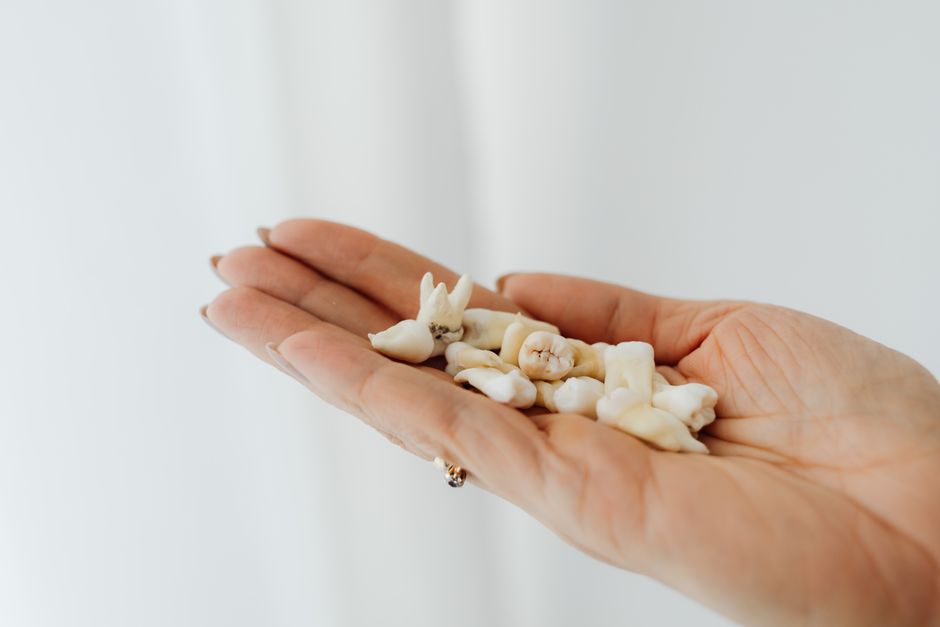
Recovering from wisdom tooth removal usually takes three to four days for the worst swelling and pain, with most people feeling significantly better within one to two weeks. You can speed up this process by protecting the blood clot in the socket, managing swelling with ice, and following your surgeon’s specific instructions. The first 24 to 72 hours are the most critical for setting the foundation of a smooth recovery.
What Actually Happens After Wisdom Tooth Removal?
Your body immediately starts the healing process after the tooth is extracted. A blood clot forms in the empty socket. This clot is essential. It protects the underlying bone and nerve endings while new tissue grows in to fill the space.
Swelling is a normal immune response. It peaks around 48 hours after surgery. Pain is usually most intense in the first 24 hours, and it should steadily decrease after that. Understanding this timeline helps you know what to expect and when to be concerned.
How To Speed Up Your Wisdom Teeth Recovery: The First 24 Hours
The first day sets the tone for the entire recovery. Your primary goal is to protect the blood clot and control swelling.
Apply an ice pack to your cheek for 20 minutes at a time. Take a 20-minute break between applications. Do this consistently for the first 24 hours. This constricts blood vessels and reduces swelling. Do not use heat during the first 24 hours, as this can increase swelling.
Rest with your head elevated on pillows. Keeping your head above your heart reduces blood flow to the area and minimizes throbbing. Avoid bending over or lifting anything heavy. Physical exertion raises your blood pressure and can dislodge the clot.
Do not spit, rinse, or use a straw for the first 24 hours. The suction and pressure can pull the clot out of the socket. If you need to clear your mouth, lean over the sink and let saliva drain out naturally.
Managing Pain and Swelling Safely
Take pain medication exactly as prescribed by your surgeon. Over-the-counter options like ibuprofen are commonly recommended because they reduce both pain and inflammation. Acetaminophen is an alternative if you cannot take ibuprofen, but it does not reduce swelling.
Swelling typically peaks on the second or third day. This is normal. After the first 24 hours, you can switch to moist heat. A warm, damp cloth on your cheek can help increase blood flow and promote healing. It also feels soothing as the swelling begins to subside.
Some surgeons prescribe stronger pain medication. Use these only as directed. Do not drive while taking opioid medications. If your pain is not controlled by medication, contact your surgeon rather than taking extra doses.




What To Eat and What To Avoid
Stick to soft foods that require minimal chewing for the first few days. Good options include yogurt, applesauce, mashed potatoes, smoothies, and broths. These foods do not require significant jaw movement and are unlikely to disturb the surgical site.
Do not eat anything crunchy, hard, or sticky. Chips, nuts, popcorn, and chewy candies can get lodged in the socket and cause infection. Avoid hot foods and drinks for the first 24 hours, as heat can increase bleeding.
Stay hydrated, but drink plenty of water. Do not use a straw. Drink directly from a glass, taking small sips. Dehydration slows healing, so make a conscious effort to drink regularly throughout the day.
You can gradually reintroduce more solid foods as your pain decreases and your mouth feels more comfortable. This usually happens around day four or five. Listen to your body. If it hurts to chew, stick with softer options for another day.
Oral Hygiene Without Disturbing the Clot
Keeping your mouth clean is important, but you must do it carefully. Do not brush your teeth near the extraction site for the first 24 hours. You can brush your other teeth gently, being careful not to rinse forcefully.
After 24 hours, you can begin gentle saltwater rinses. Mix half a teaspoon of salt in a glass of warm water. Tilt your head and let the water sit over the socket. Then let it drain out by tilting your head over the sink. Do not swish or spit forcefully.
Your surgeon may provide a syringe with a curved tip for cleaning the socket. This is usually introduced around day five to seven to flush out food particles. Use it only if your surgeon instructed you to do so. Using it too early can dislodge the clot.
Activities To Avoid During Recovery
Physical activity increases blood flow and blood pressure. This can lead to increased bleeding and swelling. Avoid strenuous exercise, heavy lifting, and vigorous sports for at least three to five days. Some surgeons recommend waiting a full week.
Do not smoke or vape. Smoking significantly delays healing and increases the risk of a painful condition called dry socket. The suction from inhaling can also dislodge the clot. The chemicals in tobacco also reduce blood flow to the healing tissue.
Avoid alcohol for at least 48 hours. Alcohol can interfere with pain medication and can irritate the surgical site. It can also delay the healing process.
When To Call Your Surgeon
Some symptoms require immediate attention. Severe pain that is not controlled by medication may indicate dry socket. This occurs when the blood clot is lost or fails to form, exposing the bone and nerves. It typically develops two to four days after surgery.
Fever, excessive bleeding that does not stop with pressure, or pus draining from the socket are signs of infection. Numbness that persists beyond a few hours, or difficulty swallowing or breathing, also requires immediate medical attention.
Some bleeding is normal for the first few hours. Bite down on a clean gauze pad placed over the socket for 30 to 45 minutes. If bleeding continues heavily after this, contact your surgeon. Do not keep replacing gauze indefinitely without professional advice.
How Long Does Full Recovery Take?
Most people return to normal activities within three to five days. The socket itself takes longer to close completely. Soft tissue healing generally takes about two weeks. The bone underneath can take several months to fully remodel, but you will not notice this.
Complete healing varies from person to person. Factors like age, overall health, and whether your teeth were impacted affect recovery time. Younger people tend to heal faster. People who smoke or have certain medical conditions may heal more slowly.
You may notice a slight indentation where the tooth was removed for several weeks. This is normal. The area gradually fills in with new tissue. If you have questions about your specific healing progress, ask your surgeon at your follow-up appointment.
Frequently Asked Questions
How long does it take to recover from wisdom teeth removal?
Most people feel significantly better within three to five days, with the worst swelling and pain subsiding in the first 48 to 72 hours. Complete soft tissue healing takes about two weeks, while the bone underneath takes several months to fully heal.
Can I use a straw after wisdom teeth removal?
No, you should not use a straw for at least the first week. The suction created by a straw can dislodge the blood clot from the socket, which leads to a painful condition called dry socket.
Is dry socket more painful than normal wisdom tooth recovery?
Yes, dry socket causes severe, throbbing pain that is typically much worse than the normal post-surgery discomfort. It usually develops two to four days after surgery and requires a visit to your surgeon for treatment to relieve the pain.
When can I eat solid food after wisdom teeth removal?
You can usually start eating soft solids like mashed potatoes and eggs within the first few days. Chewy, crunchy, or hard foods should be avoided for at least one week, or until your surgeon confirms your socket is healing well.
