
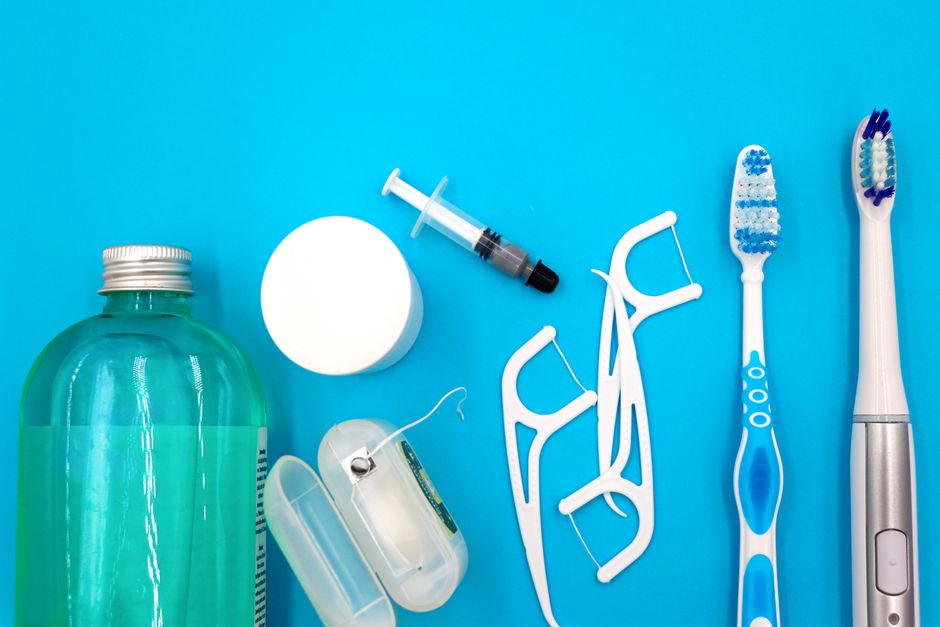
Skipping your nightly brush might feel like a small thing, but the clock on your dental health starts ticking the moment you stop. Within 24 to 48 hours without brushing, a sticky film of bacteria called plaque begins to harden into tartar, which a toothbrush can no longer remove. From there, the process moves through bad breath, gum inflammation, and tooth decay, eventually leading to tooth loss if the habit continues for months or years.
What Happens To Your Teeth When You Don’T Brush?
The short answer is that your mouth becomes a battleground. Your mouth naturally hosts hundreds of types of bacteria. When you eat, those bacteria feed on the sugars and starches left on your teeth. As they feed, they produce acids that attack your enamel, the hard outer layer of your teeth.
Brushing disrupts this cycle. It physically removes the bacteria and the food they eat. When you stop brushing, the bacteria multiply unchecked. Within hours, they form a soft, colorless film on your teeth called plaque. This is the fuzzy feeling you notice when you run your tongue across your teeth after a long day.
If plaque stays on your teeth, the minerals in your saliva begin to harden it. This hardened deposit is called tartar or calculus. Once tartar forms, brushing alone cannot remove it. You need a dental professional with specialized tools to scrape it off. This is the first major milestone in the decline of your oral health.
How Quickly Does Plaque Turn Into Tartar?
Plaque starts forming within hours after you brush. If you skip brushing for a full day, you will likely feel the buildup. Research shows that plaque can begin to mineralize into tartar within about 48 hours. The speed varies from person to person based on saliva composition and diet, but the general timeline is consistent.
Once tartar forms, it creates a rough surface. That rough surface attracts even more plaque and bacteria. This creates a snowball effect. The longer you go without brushing, the faster the problem compounds. A few missed brushes here and there may not cause permanent damage, but a pattern of neglect changes the equation entirely.
What Happens To Your Gums When You Stop Brushing?
Your gums are the first tissue to show signs of trouble. The bacteria in plaque release toxins that irritate the gums. Your body responds with inflammation, a defense mechanism that brings extra blood flow to the area. This is why your gums may bleed when you finally do brush.
This early inflammation is called gingivitis. It is reversible with good oral hygiene. Your gums may look red, feel swollen, and bleed easily. At this stage, there is no permanent damage to the bone or tissue holding your teeth in place.
If gingivitis goes untreated, it can progress to periodontitis. This is a more serious infection that spreads below the gumline. The inflammation begins to destroy the connective tissue and bone that anchor your teeth. This damage is permanent. Once bone is lost, it does not grow back on its own.
Periodontitis is the leading cause of tooth loss in adults. The progression from gingivitis to periodontitis can take months or years, but skipping brushing consistently accelerates the timeline. Some people are also genetically more prone to gum disease, meaning they may see faster progression with the same level of neglect.



Can Not Brushing Cause Cavities?
Yes. Cavities, also called dental caries, are caused by the same bacteria that irritate your gums. The acids produced by plaque bacteria dissolve the minerals in your tooth enamel. Over time, this creates a weak spot that becomes a hole.
The earliest stage of a cavity is called demineralization. At this point, the enamel is weakened but not yet broken. Fluoride from toothpaste, mouthwash, or tap water can help repair this damage. Once the enamel breaks through, the cavity is permanent and requires a filling.
Without brushing, the acid attacks happen more frequently and last longer. Your saliva does some work to neutralize acids and wash away food, but it cannot do the job alone. Saliva production drops while you sleep, which is why brushing before bed is especially important. Going to sleep with food on your teeth gives bacteria hours of uninterrupted acid production.
If a cavity reaches the inner layer of the tooth called the dentin, you may feel sensitivity to hot or cold foods. If it reaches the pulp, where the nerves and blood vessels live, you will likely experience significant pain. At that point, a root canal or extraction may be necessary.
What Does Bad Breath Have To Do With Brushing?
Bad breath, or halitosis, is often the first noticeable sign that you have stopped brushing. The bacteria in your mouth release sulfur compounds as they break down food particles and dead cells. These compounds have a distinct rotten smell.
Brushing removes the food particles that bacteria feed on and removes the bacteria themselves. Without brushing, the bacterial population explodes, and so does the odor. Tongue brushing is also important because the tongue harbors a large portion of the bacteria in your mouth.
Persistent bad breath that does not go away with brushing is often a sign of gum disease. If your breath smells bad even after you resume brushing, you may already have tartar buildup that requires professional cleaning. The odor will not fully resolve until the tartar is removed.
What Are The Long-Term Consequences Of Not Brushing?
The long-term picture is straightforward. Consistent failure to brush leads to gum disease, cavities, and eventually tooth loss. But the consequences extend beyond your mouth.
Research has linked periodontal disease to systemic health conditions. The inflammation in your gums may contribute to heart disease, diabetes complications, and respiratory infections. The exact nature of these relationships is still being studied, but the association is well documented. Some studies suggest that treating gum disease can improve blood sugar control in people with diabetes.
Tooth loss itself has quality-of-life consequences. Missing teeth make it harder to chew certain foods, which can affect nutrition. Gaps in your smile can affect self-confidence and social interactions. Replacing missing teeth with implants or bridges is expensive and often not covered fully by insurance.
The financial cost of neglect is significant. A routine dental cleaning costs a fraction of what a filling, root canal, or implant costs. Preventive care is consistently cheaper than restorative care.
Can You Reverse The Damage From Not Brushing?
It depends on how far the damage has progressed. Gingivitis is fully reversible with resumed brushing, flossing, and a professional cleaning. The gums will return to a healthy state once the plaque and tartar are removed.
Early cavities can sometimes be reversed with fluoride treatment if they have not yet broken through the enamel. Once a cavity forms, it requires a filling.
Periodontitis is not fully reversible. The bone loss it causes is permanent. However, it is manageable. With professional treatment and good home care, you can stop the progression and preserve the teeth you still have. Treatment may involve deep cleaning procedures called scaling and root planing, and in more advanced cases, surgery.
The key factor is time. The sooner you resume brushing, the more likely you are to avoid permanent damage. If you have gone months without brushing, you should see a dentist as soon as possible. They can assess the state of your teeth and gums and create a treatment plan.
Frequently Asked Questions
How long can you go without brushing your teeth?
Plaque begins hardening into tartar within about 48 hours, so any gap beyond two days starts the process of irreversible buildup. Even one missed day increases your risk, but the most significant damage begins after the plaque mineralizes.
Can you get cavities from not brushing for a week?
A single week without brushing can cause early enamel demineralization, but a fully formed cavity typically takes weeks or months of ongoing acid exposure. The plaque and tartar buildup from that week will require a professional cleaning to remove.
Is it too late to start brushing again after years of neglect?
It is rarely too late to benefit from brushing, but you cannot reverse bone loss or existing cavities on your own. See a dentist first to treat active disease, then maintain with regular brushing and flossing to prevent further damage.
Does mouthwash replace brushing?
No. Mouthwash can reduce bacteria and freshen breath, but it cannot physically remove plaque from tooth surfaces. Brushing and flossing are the only methods that mechanically remove the biofilm that causes decay and gum disease.
