

Digestion is a complex process that your body runs automatically, but that doesn’t mean you have no influence over it. The speed and comfort of digestion after a meal depend heavily on what you do in the hours before and after you eat. You can speed up digestion after eating by taking a short walk, drinking warm fluids, and giving your body time before lying down. These actions support the natural muscle contractions that move food through your digestive tract.
What Actually Happens When You Digest Food?
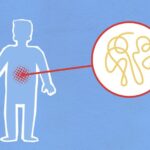
Digestion starts in your mouth and continues through your stomach and intestines. Your stomach churns food with acid and enzymes to break it down into a liquid mixture. That mixture then moves into the small intestine, where most nutrients are absorbed. The remaining waste passes into the large intestine and eventually leaves your body.
The entire process typically takes anywhere from 24 to 72 hours from the first bite to elimination. The time food spends in your stomach alone is usually 2 to 5 hours. This timeline varies based on what you ate, your activity level, and your individual digestive health.
Your digestive tract has its own nervous system, sometimes called the second brain. It coordinates the muscle contractions, called peristalsis, that push food forward. When this system works well, food moves at a steady pace. When it slows down, you feel bloated, full, or uncomfortable.
How to Speed Up Digestion After Eating: Movement Matters
Light physical activity is one of the most reliable ways to encourage digestion. A short walk after a meal helps stimulate the natural contractions of your intestines. You do not need intense exercise. In fact, vigorous exercise right after eating can divert blood flow away from your digestive organs and slow the process.
A gentle walk of 10 to 15 minutes after a meal is a practical habit. The movement helps your stomach empty and keeps things moving through your intestines. Some research suggests that walking after meals can help regulate blood sugar levels as well, though the effect on digestion speed is modest.
Avoid lying down immediately after eating. When you lie flat, stomach acid can flow backward into your esophagus, causing heartburn. It also slows the emptying of your stomach. Gravity assists digestion, so staying upright for at least 2 to 3 hours after a large meal is a simple and effective strategy.
What You Drink Matters More Than You Think
Hydration is essential for digestion, but timing and temperature matter. Your intestines need water to help move waste along. Drinking water throughout the day keeps your digestive system functioning properly. Drinking a large amount of water during a meal can dilute stomach acid, though the effect is usually minor for most healthy people.
Warm liquids, such as herbal tea or warm water, can be soothing after a meal. Some people find that peppermint tea helps relieve bloating and gas. Ginger tea is another option that some studies suggest may help speed up stomach emptying. The evidence for these effects is modest, but the drinks are generally harmless and hydrating.
Coffee is a different story. Caffeine stimulates the digestive tract in many people. Some people find that a cup of coffee after a meal encourages a bowel movement. If you are sensitive to caffeine, however, it can cause jitteriness or discomfort. Know your own tolerance and respond accordingly.




Food Choices That Affect Digestion Speed
What you eat determines how quickly your stomach empties. High-fat meals take longer to digest than meals rich in carbohydrates and protein. Fried foods, creamy sauces, and heavy desserts slow down the entire process. This is not inherently bad, but it can cause that heavy, sluggish feeling after eating.
Fiber plays a dual role. Soluble fiber, found in oats, beans, and apples, forms a gel-like substance that slows digestion. Insoluble fiber, found in whole grains and vegetables, adds bulk and helps food move through the intestines faster. A balance of both supports regular bowel movements.
Spicy foods speed up digestion for some people, but they can irritate the stomach lining and cause heartburn in others. There is no universal rule here. Pay attention to how your body responds to specific foods and adjust your meals accordingly.
Stress and Digestion: The Gut-Brain Connection
Your emotional state directly affects your digestive system. When you are stressed, your body shifts into fight-or-flight mode. This redirects blood flow away from your digestive organs and slows down the entire process. Chronic stress can contribute to ongoing digestive problems like bloating, constipation, and abdominal pain.
Eating in a relaxed state makes a real difference. Taking a few deep breaths before a meal signals to your body that it is safe to digest. Chewing your food thoroughly also helps. Digestion begins in your mouth, and the more work your teeth do, the less work your stomach has to do.
Mindful eating is not just a wellness trend. It is a practical approach that involves eating slowly, paying attention to your food, and stopping when you feel full. This practice can reduce overeating and improve the efficiency of your digestive process.
When Digestion Feels Slow: Common Causes
If you frequently feel bloated or overly full after meals, several factors could be at play. Eating too quickly is a common culprit. When you eat fast, you swallow air along with your food, which can cause gas and bloating. Large portion sizes also overwhelm the digestive system, keeping food in your stomach longer.
Certain medical conditions can slow digestion. Gastroparesis is a condition where the stomach empties more slowly than normal. It is more common in people with diabetes. Irritable bowel syndrome can affect how quickly or slowly food moves through the intestines. If you have persistent digestive symptoms, discuss them with a healthcare provider rather than assuming they are normal.
Medications can also affect digestion. Some pain relievers, antidepressants, and blood pressure medications list constipation or slowed digestion as side effects. If you notice a change in your digestion after starting a new medication, mention it to your doctor.
Digestive Enzymes and Other Supplements: What the Evidence Shows
The supplement market is full of products claiming to speed up digestion. Digestive enzyme supplements are among the most popular. These products contain enzymes that break down carbohydrates, proteins, and fats. They are genuinely helpful for people with specific conditions, such as pancreatic insufficiency, where the body does not produce enough enzymes.
For healthy people without a diagnosed enzyme deficiency, the evidence is less clear. Some studies suggest that over-the-counter enzyme supplements may help with bloating after large meals. Other research shows no significant benefit. The supplements are generally safe for short-term use, but they are not a substitute for healthy eating habits.
Probiotics are another popular option. These are live bacteria that may support gut health. Some strains have been studied for their effects on constipation and bloating. Results vary by strain and by individual. If you want to try probiotics, choose a product with a specific strain that has been studied for your particular concern.
Lifestyle Habits That Keep Digestion on Track
Regular physical activity supports healthy digestion over the long term. Exercise helps stimulate intestinal contractions and can reduce the risk of constipation. Aim for consistent movement throughout the week rather than intense workouts that leave you exhausted.
Adequate sleep is also important. Your digestive system does much of its repair work while you sleep. Poor sleep quality is linked to digestive complaints like heartburn and indigestion. Establishing a regular sleep schedule supports your digestive health as much as it supports your energy levels.
Smoking and excessive alcohol consumption can both slow digestion. Nicotine affects the muscles of the digestive tract, and alcohol can irritate the stomach lining. Reducing or eliminating these habits is one of the most impactful changes you can make for your digestive health.
When to See a Doctor About Digestion Problems
Occasional bloating or sluggishness after a heavy meal is normal. Persistent symptoms are not. If you regularly experience severe abdominal pain, unexplained weight loss, blood in your stool, or changes in bowel habits that last more than a few weeks, seek medical advice.
Difficulty swallowing, vomiting, or pain that wakes you from sleep are also reasons to see a doctor. These symptoms can indicate conditions that require medical treatment. Do not assume that digestive symptoms are always harmless or that they will resolve on their own.
Your doctor can help determine whether your symptoms are related to diet, stress, medication, or an underlying condition. They can also refer you to a gastroenterologist if more specialized evaluation is needed.
Frequently Asked Questions
How long does it take to digest food after eating?
Food typically takes 2 to 5 hours to leave your stomach and 24 to 72 hours to pass through your entire digestive tract. The exact time depends on what you ate and your individual digestive health.
Is walking after a meal good for digestion?
Yes, a gentle 10 to 15 minute walk after eating can help stimulate intestinal contractions and support digestion. Avoid intense exercise right after a meal, as it can divert blood flow away from your digestive organs.
Does drinking water speed up digestion?
Staying hydrated throughout the day supports healthy digestion, but drinking large amounts of water during a meal does not significantly speed up the process. Warm fluids like herbal tea may be soothing for some people.
Can stress really slow down digestion?
Yes, stress activates your body’s fight-or-flight response, which redirects blood flow away from your digestive system and slows digestion. Eating in a relaxed state and chewing thoroughly can help counteract this effect.
