

Digestion is not something you can rush on demand, but you can create conditions that let it work at its best. The most reliable ways to speed digestion are eating smaller meals, chewing thoroughly, staying hydrated, and moving your body after eating. These habits help your stomach empty faster and keep food moving through your intestines at a healthy pace. The rest of this article explains what actually helps, what does not, and why some popular advice misses the mark.
What Does “Speeding Up Digestion” Actually Mean?
Digestion starts the moment food enters your mouth and continues for hours. When people say they want to speed digestion, they usually mean they want less bloating, less fullness, and more regular bowel movements. That is a reasonable goal, but it helps to understand the timeline first.
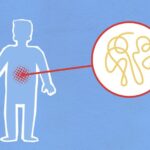
Food stays in your stomach for roughly 2 to 4 hours depending on what you ate. High-fat meals take longer. High-fiber meals take longer too. Simple carbohydrates like white rice or fruit leave the stomach fastest. After the stomach, food moves through the small intestine for another 3 to 5 hours, then the large intestine for anywhere from 12 to 48 hours.
That means a full digestive cycle normally takes 24 to 72 hours. If you expect a meal to be “digested” within an hour, no habit will deliver that. What you can do is avoid slowing digestion down and remove obstacles that make the process sluggish.
How to Speed Digestion with Food Choices
What you eat matters more than any supplement or trick. Some foods are naturally easier for your body to break down, and some foods slow the entire process.
Foods that digest relatively quickly include cooked vegetables, ripe fruits, white rice, lean poultry, and fish. Foods that take longer include red meat, fried foods, heavy cream sauces, and large amounts of cheese. Nuts, seeds, and raw cruciferous vegetables like broccoli and cabbage are healthy but can cause gas and bloating in some people because they are harder to break down.
Fiber deserves a special mention. Soluble fiber, found in oats, beans, and apples, absorbs water and helps form soft stool. Insoluble fiber, found in wheat bran and many vegetables, adds bulk and helps food move through the intestines. Both are important, but adding a lot of fiber all at once can backfire and cause cramping and gas. Increase fiber gradually over a week or two.
Spicy foods are a mixed bag. Capsaicin, the compound that makes chili peppers hot, can stimulate stomach acid and speed up gut motility in some people. In others, it triggers heartburn or stomach pain. If spicy food agrees with you, it may help. If it does not, there is no reason to force it.
Does Chewing More Really Speed Up Digestion?
Yes. Chewing is the only part of digestion you control directly, and it is often the most underused lever.
Your teeth break food into smaller pieces, which gives stomach acid and digestive enzymes more surface area to work with. Saliva also contains amylase, an enzyme that starts breaking down carbohydrates before food even reaches your stomach. When you swallow large chunks of food, your stomach has to work harder and longer to break them down. That can leave you feeling full and heavy for hours.
A practical target is to chew until food is mostly liquid before swallowing. For most people that means 20 to 30 chews per bite. That sounds tedious, but it naturally slows your eating pace, which gives your brain time to register fullness. Eating quickly is strongly linked to overeating and indigestion, so slowing down solves two problems at once.



Does Walking After a Meal Help Digestion?
Light movement after eating does help. A short walk of 10 to 15 minutes stimulates the muscles in your digestive tract and can reduce bloating and gas. It also helps regulate blood sugar after meals, which is a separate but related benefit.
The key word is light. A brisk walk is fine. A hard workout is not. Intense exercise diverts blood flow away from your digestive organs and toward your muscles, which can actually slow digestion and cause nausea or cramping. Wait at least an hour after a large meal before doing anything strenuous.
Gravity also helps. Standing or walking keeps food moving downward, whereas lying down after a meal makes it easier for stomach acid to wash back into your esophagus. That is why heartburn is more common in people who lie down within an hour of eating.
Does Drinking Water Speed Up Digestion?
Water helps, but not the way people often think. Drinking water during a meal does not “wash food down” or dilute stomach acid in any meaningful way. Your stomach regulates its own acid levels regardless of how much water you drink.
What water does do is keep things moving downstream. Your large intestine reabsorbs water from waste material. If you are dehydrated, your colon pulls out too much water, leaving stool hard and slow to pass. Chronic dehydration is one of the most common causes of constipation. Aim for enough fluids throughout the day so your urine is light yellow. That is a simple and reliable marker.
Warm liquids like tea or warm water with lemon are often touted as digestion boosters. There is no strong evidence that temperature matters. If warm fluids help you relax or feel comfortable, drink them. Just do not expect them to dramatically change your digestion speed.
Do Probiotics and Digestive Enzymes Help?
This is where marketing gets loud and evidence gets quiet. Probiotics are live bacteria that can influence your gut microbiome. Some research suggests specific strains help with constipation, bloating, and irritable bowel syndrome symptoms. But results vary widely by strain, dose, and individual. There is no single probiotic that works for everyone, and no pill will fix a poor diet.
Digestive enzyme supplements are a different story. They are genuinely helpful for people with conditions like pancreatic insufficiency or lactose intolerance, where the body cannot produce enough of a specific enzyme. For a healthy person with no enzyme deficiency, taking extra enzymes has not been shown to speed digestion. Your body already produces what it needs. The supplements are mostly expensive urine.
If you have persistent bloating, gas, or irregular bowel movements, see a doctor rather than self-treating with supplements. These symptoms can overlap with irritable bowel syndrome, celiac disease, or other conditions that need proper diagnosis.
What Slows Digestion Down?
Some habits actively work against you. Stress is one of the biggest. Your nervous system has two main modes: rest-and-digest and fight-or-flight. When you are stressed, your body prioritizes the fight-or-flight response and slows digestive activity. Eating while stressed, rushed, or distracted is a recipe for slow digestion and discomfort.
Lack of sleep also matters. Your gut has its own rhythm, and disrupted sleep is linked to slower intestinal transit and more digestive complaints. Prioritizing consistent sleep is not just about energy. It is part of digestive health.
Certain medications slow digestion too. Opioid painkillers, some antidepressants, and calcium channel blockers used for blood pressure are common culprits. If you take any of these and notice digestive changes, talk to your doctor. Do not stop a prescription medication on your own.
Smoking and heavy alcohol use both irritate the digestive tract and slow motility. Reducing or eliminating either will help more than any supplement.
When Should You See a Doctor About Slow Digestion?
Occasional bloating or a heavy feeling after a big meal is normal. But some symptoms deserve medical attention.
See a doctor if you have any of the following: persistent constipation lasting more than three weeks, unexplained weight loss, blood in your stool, severe abdominal pain, or vomiting. Also seek help if you have trouble swallowing or feel like food gets stuck. These symptoms can indicate conditions that need treatment, and waiting does not help.
Remember that “slow digestion” is not a medical diagnosis. It is a description of symptoms. A doctor can help figure out whether the cause is dietary, lifestyle-related, or something more serious. Do not assume supplements or home remedies are enough if symptoms are persistent or getting worse.
Frequently Asked Questions
How long does food take to digest?
Food typically stays in the stomach for 2 to 4 hours and takes 24 to 72 hours to pass through the entire digestive tract. High-fat and high-fiber meals take longer than simple carbohydrates.
Does walking after eating help digestion?
Yes, a light 10 to 15 minute walk after a meal can reduce bloating and support normal gut motility. Avoid intense exercise for at least an hour after eating.
Do digestive enzyme supplements speed up digestion?
Digestive enzymes help people with specific enzyme deficiencies like lactose intolerance, but they have not been shown to speed digestion in healthy people. Your body already produces the enzymes it needs.
Can drinking water speed up digestion?
Water does not flush food through your system, but staying hydrated prevents constipation and keeps waste moving through your colon. Drink enough so your urine is light yellow.
