
Digestion is the process your body uses to break down food into nutrients it can absorb and use. When it works well, you barely notice it. When it does not, you feel bloated, heavy, or uncomfortable after meals. The research is clear on a few things that genuinely help: staying upright after eating, taking a short walk, and drinking water at the right time. These are simple actions with solid evidence behind them. The rest of what you hear — from digestive shots to special teas — has much thinner support.
Why Does Digestion Slow Down After Eating?
Your digestive system works best when your body is relaxed and blood flow is directed toward your stomach and intestines. After a meal, your body sends extra blood to your digestive organs. This is normal and necessary. If you lie down immediately, gravity stops helping, and stomach contents can push against the lower esophageal sphincter. That is the muscle that keeps stomach acid where it belongs. When it weakens or relaxes at the wrong time, you get heartburn or acid reflux.
Stress also plays a role. When you are anxious, your body stays in a “fight or flight” state. That state reduces blood flow to the digestive tract. Digestion slows down. This is why eating while stressed or rushing often leads to discomfort. The body simply is not prioritizing digestion in that moment.
What Helps Digestion After Eating?
Several habits have consistent research support. Some are about what you do right after the meal. Others are about what you do before and during the meal. The most reliable approach combines both.
- Stay upright for at least two hours. Sitting or standing helps keep stomach acid down. Lying down within two hours of a meal increases the risk of reflux symptoms.
- Take a short walk. A gentle 10-15 minute walk after eating can help move food through the stomach faster. Research shows light activity aids gastric emptying. A vigorous workout right after a large meal is not helpful and may cause discomfort.
- Drink water before or during the meal. Water helps break down food and supports the movement of food through the intestines. Drinking large amounts during a meal can dilute stomach acid, but normal sips are fine.
- Chew food thoroughly. Digestion starts in the mouth. Saliva contains enzymes that begin breaking down carbohydrates. The more you chew, the less work your stomach has to do.
- Eat smaller portions. Large meals stretch the stomach and slow emptying. Smaller meals reduce the workload on your digestive system.
These are not dramatic interventions. They are basic physiological facts. The evidence for them is strong because they align with how the digestive system is designed to work.
Does a Walk After Eating Really Help?
Yes, but the type of walk matters. Research consistently shows that light to moderate walking after a meal helps with blood sugar control. It also appears to speed up the time it takes for food to leave the stomach, a process called gastric emptying. A slow stroll around the block is enough. You do not need to break a sweat.
One study found that walking for just a few minutes after eating improved blood sugar levels compared to sitting or standing. The effect was strongest when the walk happened within 60-90 minutes after the meal. That timing matters because it is when blood sugar tends to peak.
A brisk walk or run immediately after a large meal can actually work against you. Vigorous exercise diverts blood flow away from the digestive organs and toward your muscles. That can slow digestion and cause cramping. The goal is gentle movement, not exercise.



Which Foods Help Digestion Naturally?
Certain foods support the digestive process because of their nutrient content. Ginger is one of the best studied. It contains compounds called gingerols that may help speed up gastric emptying and reduce nausea. Some research suggests ginger can relieve bloating and gas. A cup of ginger tea after a heavy meal is a reasonable choice.
Fennel seeds are another traditional remedy. They contain anethole, a compound that may relax the intestinal muscles and reduce gas. Chewing a small amount of fennel seeds after a meal is common in many cultures. The evidence is limited but generally supportive.
Papaya and pineapple contain enzymes — papain and bromelain — that break down protein. Some research suggests these enzymes may help with digestion, particularly for people who do not produce enough digestive enzymes naturally. However, the evidence for enzyme supplements is mixed. Eating the whole fruit is a better choice than taking a supplement.
Fermented foods like yogurt, kefir, and sauerkraut contain probiotics. These are beneficial bacteria that support gut health. Regular consumption of fermented foods is associated with better digestion overall. They do not provide immediate relief after a single meal. Their benefit comes from consistent use over time.
What About Digestive Enzyme Supplements?
Digestive enzyme supplements are widely marketed as a fix for bloating and heavy meals. The reality is more complicated. Your body already produces digestive enzymes naturally. The pancreas releases them into the small intestine to break down fats, proteins, and carbohydrates. For most healthy people, this system works fine.
Enzyme supplements may help people with specific conditions. For example, people with pancreatic insufficiency — a condition where the pancreas does not make enough enzymes — benefit from prescription enzyme replacements. People with lactose intolerance benefit from lactase supplements. But for a healthy person eating a normal meal, there is little evidence that over-the-counter enzyme supplements improve digestion.
Some studies suggest that certain enzyme blends can reduce bloating in people who experience it regularly. The quality of this research varies. If you want to try an enzyme supplement, look for one with specific enzymes named on the label. General blends with vague claims are less likely to have evidence behind them. Talk to a doctor before starting any supplement, especially if you have a medical condition.
Do Herbal Teas and Digestive Shots Work?
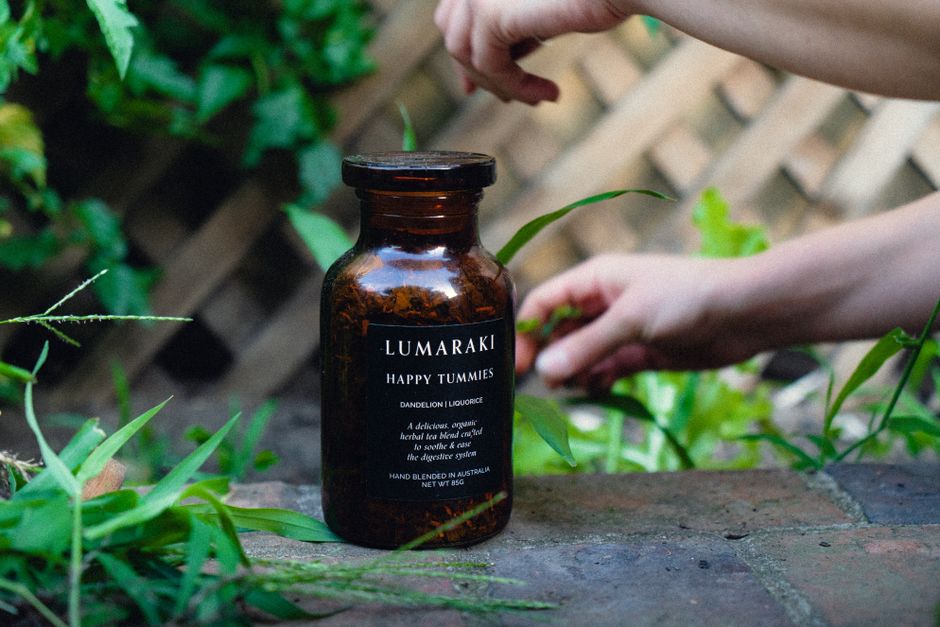
Herbal teas have a long history of use for digestion. Peppermint tea is one of the most studied. Research shows that peppermint oil can relieve symptoms of irritable bowel syndrome, particularly bloating and gas. The tea is gentler than the oil, but it may still help some people feel better after a meal.
Chamomile tea is another option. It has anti-inflammatory properties and may help relax the digestive tract. The evidence is less strong than for peppermint, but it is a safe, pleasant option for many people.
Digestive shots — small bottles of concentrated ginger, apple cider vinegar, or herbal blends — are a marketing trend. There is no solid research showing they improve digestion. Apple cider vinegar in particular has been promoted for everything from weight loss to acid reflux. The evidence does not support these claims. Drinking a small amount of vinegar is unlikely to harm you, but it is not a proven digestive aid. Some people find it irritates their stomach or esophagus.
When Digestive Discomfort Needs Medical Attention
Occasional bloating or heaviness after a large meal is normal. Persistent symptoms are not. If you regularly experience severe pain, nausea, vomiting, or changes in bowel habits after eating, see a doctor. These can be signs of conditions like gastroparesis, gallbladder disease, or an ulcer.
Gastroparesis is a condition where the stomach empties too slowly. It causes nausea, vomiting, and feeling full after small meals. It is more common in people with diabetes. Gallbladder disease can cause pain in the upper right abdomen after fatty meals. Ulcers cause burning pain that may improve or worsen with eating.
If your symptoms are mild but frequent, keep a food diary. Track what you eat, when you eat, and how you feel afterward. This information helps doctors identify patterns. Do not self-diagnose. Digestive symptoms overlap across many conditions, and the wrong treatment can make things worse.
Frequently Asked Questions
Is it bad to lie down after eating?
Yes, lying down within two hours of a meal increases the risk of acid reflux and heartburn. Staying upright lets gravity help keep stomach contents where they belong.
How long should I walk after eating to help digestion?
A gentle 10-15 minute walk is enough to support digestion and blood sugar control. The walk should be light, not vigorous.
Does drinking water after a meal help or hurt digestion?
Drinking water with or after a meal helps move food through the digestive tract. Large amounts of water can dilute stomach acid, but normal sips are fine.
Can ginger tea really help with bloating after eating?
Some research suggests ginger can speed up gastric emptying and reduce gas and bloating. It is a safe option, but the effect varies from person to person.
