
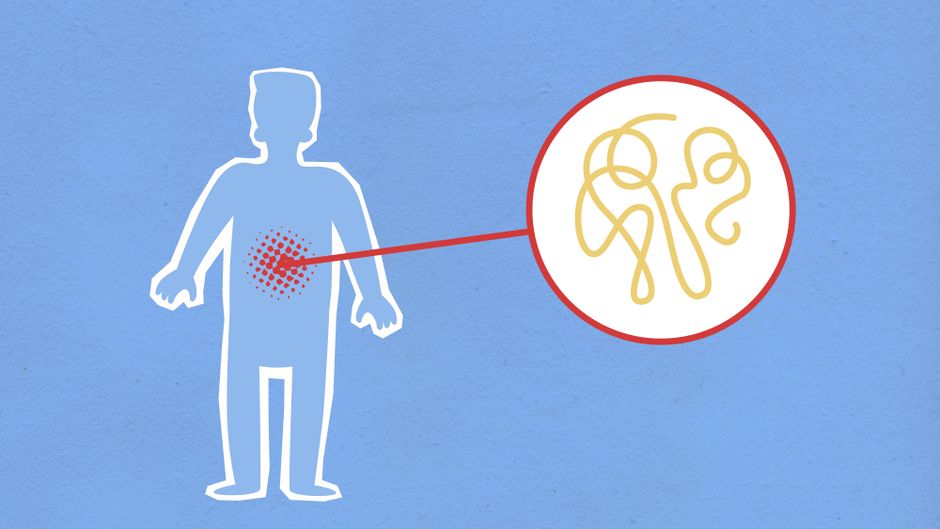
Digestion speed is not something you can control with a switch. It is governed by your nervous system, hormones, and the physical properties of the food you eat. You can speed up digestion by changing how you eat, what you eat, and how you move afterward. The most effective methods are eating smaller meals, staying hydrated, and walking after eating. These actions help your stomach empty faster and keep food moving through your intestines.
What Does “Speeding Up Digestion” Actually Mean?
Digestion is the process of breaking down food into nutrients your body can absorb. It starts in your mouth and ends in your large intestine. The entire process typically takes anywhere from 24 to 72 hours from the first bite to elimination.
When people say they want to speed up digestion, they usually mean one of two things. They want to reduce bloating and fullness after a meal, or they want to relieve constipation. These are different problems with different solutions. Post-meal fullness is about gastric emptying — how fast your stomach releases food into the small intestine. Constipation is about colonic transit time — how fast waste moves through the large intestine.
Understanding this distinction matters because a strategy that helps with one may not help with the other. A walk after dinner can help your stomach empty. It does less for a three-day backup in your colon.
How Can You Speed Up Digestion After a Meal?
Gastric emptying is the first hurdle. The stomach holds food for 2 to 4 hours, mixing it with acid and enzymes before releasing it into the small intestine. Several factors affect how quickly this happens.
Meal size is one of the biggest factors. A large meal stretches the stomach wall and takes longer to empty. Smaller meals put less demand on the system. Eating four to five smaller meals instead of three large ones can reduce the feeling of heaviness after eating.
Walking after a meal is another effective strategy. Research consistently shows that light to moderate physical activity after eating helps move food through the stomach and intestines. A 10 to 15 minute walk at a comfortable pace is enough. The key is to keep it light. Vigorous exercise right after a large meal can actually slow digestion by diverting blood flow away from the digestive tract to your working muscles.
Hydration also plays a role. Water helps break down food and keeps the contents of your intestines soft and moving. Drinking water throughout the day matters more than chugging a glass with each meal. Your body needs consistent fluid to keep the digestive process running smoothly.
Which Foods Speed Up Digestion?
Food choice directly influences how fast your digestive system works. Some foods pass through quickly. Others slow everything down.
Foods high in soluble fiber form a gel-like substance in the gut. Oats, barley, apples, and carrots contain this type of fiber. It softens stool and makes it easier to pass. Insoluble fiber adds bulk to stool. Whole grains, nuts, and leafy vegetables provide this. Both types help prevent constipation, but they work differently. Soluble fiber absorbs water. Insoluble fiber acts like a brush, pushing waste through the intestines.
Prunes are one of the few foods with solid evidence behind them for relieving constipation. They contain sorbitol, a sugar alcohol that draws water into the intestines. This softens stool and stimulates bowel movements. Some research suggests prunes work better than psyllium husk, a common fiber supplement, for improving stool frequency.
Fermented foods like yogurt, kefir, and sauerkraut introduce beneficial bacteria to your gut. The evidence for their role in digestion is promising but not definitive. Some studies suggest they help with regularity, while others show little effect. They are generally safe to include in your diet, but they are not a guaranteed fix for slow digestion.
Foods that slow digestion include those high in fat and highly processed foods with little fiber. Fatty meals delay gastric emptying because fat takes longer to break down. This is normal physiology, not a problem to be fixed. The issue only arises when high-fat meals are large and frequent, leaving you feeling sluggish and bloated.



What About Digestion Supplements and Enzymes?
The supplement market is full of products claiming to speed up digestion. Digestive enzyme supplements are among the most popular. The evidence for them depends on who is taking them.
People with pancreatic insufficiency — a condition where the pancreas does not produce enough digestive enzymes — genuinely benefit from enzyme replacement therapy. This is a medical treatment, not a wellness product. It requires a prescription and careful dosing based on the fat content of meals.
For healthy people with no diagnosed enzyme deficiency, the evidence is thin. Your body already produces the enzymes it needs to break down food. Taking more in pill form has not been shown to speed up digestion in people with normal digestive function. Some small studies suggest benefits for specific symptoms like bloating after heavy meals, but the results are inconsistent and the quality of the research is limited.
Probiotic supplements face a similar problem. Different strains of bacteria have different effects. Some studies show certain strains help with constipation or bloating, but the evidence is not strong enough to recommend a specific product for speeding up digestion. No clinical guidelines currently exist for using probiotics to speed digestion in healthy adults.
Be wary of products that promise rapid results. Digestion is a complex process that takes hours. No supplement can safely collapse that timeline into minutes.
Does Stress Affect Digestion Speed?
Yes. The gut and the brain are directly connected through the vagus nerve. This connection is called the gut-brain axis, and it works in both directions.
Stress activates your sympathetic nervous system — the fight-or-flight response. This response diverts blood away from the digestive tract to your muscles and brain. Digestion slows down as a result. Chronic stress keeps this system switched on, which can lead to persistent digestive problems like bloating, cramping, and irregular bowel movements.
Relaxation techniques can help reverse this. Deep breathing exercises, mindfulness, and even just sitting down to eat without distractions can shift your nervous system toward the rest-and-digest state. The evidence for these approaches is moderate. Some studies show that mindfulness-based stress reduction improves symptoms in people with irritable bowel syndrome, which is a disorder of gut-brain interaction. Whether it speeds up digestion in healthy people is less clear, but the physiological mechanism is sound.
Eating while stressed is a common but counterproductive habit. If you are rushed, anxious, or eating at your desk, your body is not in the optimal state for digestion. Taking a few slow breaths before a meal and eating without screens can make a measurable difference in how you feel afterward.
What Actually Causes Slow Digestion?
Several factors can slow digestion beyond your control. Understanding these helps you know when lifestyle changes are enough and when you need medical attention.
Age plays a role. Digestive transit time tends to increase as you get older. The muscles in the intestinal wall weaken over time, and the production of digestive enzymes can decrease. This is a normal part of aging, not a disease.
Medications are a common culprit. Opioid painkillers, some antidepressants, calcium channel blockers for blood pressure, and antacids containing aluminum can all slow bowel movements. If you started a new medication and noticed your digestion slowing, talk to your doctor. Do not stop the medication on your own.
Medical conditions can also cause slow digestion. Gastroparesis is a condition where the stomach empties too slowly. It is most common in people with diabetes. Hypothyroidism slows the entire digestive system. Irritable bowel syndrome can cause constipation, diarrhea, or both.
If you have persistent symptoms — severe bloating, abdominal pain, unintentional weight loss, or blood in your stool — see a doctor. These are not normal signs of slow digestion. They warrant a proper evaluation.
Lifestyle Habits That Support Regular Digestion
Beyond the specific strategies already mentioned, some general habits support healthy digestion over the long term.
Regular physical activity is one of the most consistent findings in digestive health research. Exercise stimulates the muscles of the intestinal wall, helping move contents along. The effect is not limited to the time right after exercise. People who are regularly active tend to have more regular bowel movements than those who are sedentary.
Consistency matters. Eating meals at roughly the same time each day trains your digestive system to expect food. Your stomach and intestines have their own rhythms, and a regular schedule supports them. This is why irregular eating patterns often lead to digestive complaints.
Sleep is another factor that is often overlooked. Poor sleep disrupts the gut microbiome and can slow intestinal transit. The relationship between sleep and digestion is bidirectional — poor sleep worsens digestion, and digestive problems can disrupt sleep. Prioritizing consistent, adequate sleep is a reasonable strategy for supporting digestive health.
There is no single trick that dramatically speeds up digestion. The evidence points to a combination of habits that work together: smaller meals, adequate hydration, regular movement, stress management, and consistent routines.
Frequently Asked Questions
How long does food take to digest?
Food typically takes 24 to 72 hours to pass through your entire digestive system. Stomach emptying takes 2 to 4 hours, while the rest of the time is spent in the intestines.
Does drinking warm water speed up digestion?
No clinical evidence confirms that warm water speeds up digestion more than water at other temperatures. Staying adequately hydrated supports digestion, but temperature does not appear to be a significant factor.
Is it better to walk or rest after eating?
A light walk of 10 to 15 minutes after a meal can help move food through your stomach and intestines. Lying down immediately after eating can slow digestion and may worsen acid reflux.
Can chewing gum speed up digestion?
Chewing gum does not speed up digestion. It can actually cause you to swallow more air, which may increase bloating and gas.
