
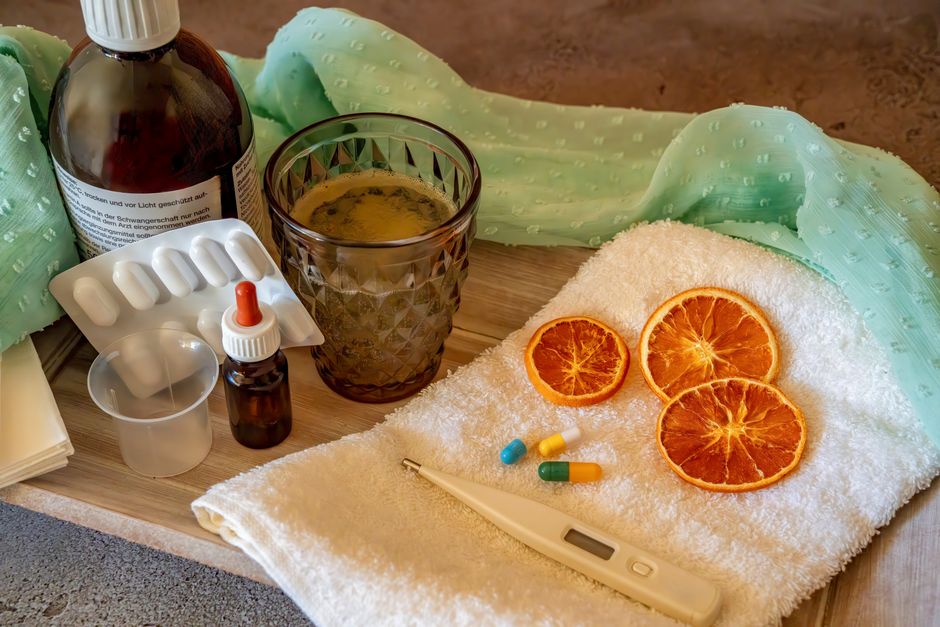
Strep throat pain peaks in the first day or two, and the fastest relief comes from combining a pain reliever taken at the correct dose with simple home measures like warm saltwater gargles, cold drinks, and soft foods. Strep throat is a bacterial infection caused by group A Streptococcus, so home care eases the pain but does not clear the infection. Antibiotics are the only treatment that shortens the illness and lowers the risk of rare complications. See a clinician for a throat swab if you have a sudden sore throat with fever and no cough.
What Makes Strep Throat Hurt So Much?
The pain comes from inflammation, not from the bacteria sitting on the surface of your throat. Group A Streptococcus triggers an immune response that sends blood and immune cells to the tissue lining the back of the throat and tonsils.
That tissue swells. The tonsils, which are lymph tissue, can become enlarged and coated with white patches. Swallowing stretches inflamed tissue, which is why the pain often feels sharpest when you try to eat or drink.
Fever usually accompanies strep throat, and it can make the pain feel worse by drying out the throat. A dry throat is a more painful throat. This is one reason sipping fluids matters more than most people realize.
How To Soothe Strep Throat Pain Fast At Home
Pain relievers are the fastest home option. Ibuprofen and acetaminophen both reduce throat pain, and they work through different pathways, so some people alternate them. Follow the label or your clinician’s instructions exactly. Do not exceed the maximum daily dose of either one.
Children and teens recovering from chickenpox or a flu-like illness should not take aspirin because of the risk of Reye’s syndrome, a rare but serious condition. Adults with stomach ulcers, kidney disease, or who are pregnant should check with a clinician before using ibuprofen.
Warm saltwater gargles are a long-standing home remedy. Mix roughly half a teaspoon of salt in a glass of warm water and gargle, then spit. This is not a cure, and the evidence for how much it helps is limited, but it is low-risk and many people find it temporarily soothing.
Cold items can numb the throat. Popsicles, ice chips, and cold drinks are often easier to swallow than warm liquids when pain is severe. Warm tea with honey can coat the throat, but honey should not be given to infants under one year because of the risk of infant botulism.
Soft, bland foods are easier to swallow than rough or acidic ones. Yogurt, mashed potatoes, scrambled eggs, and broth-based soups tend to go down more comfortably than toast, chips, or citrus.
Rest and fluids support the body while the immune system and antibiotics do the real work. Staying hydrated keeps the throat moist, which reduces pain with each swallow.
Does Strep Throat Need Antibiotics?
Yes, if a test confirms it. Strep throat is a bacterial infection, and antibiotics are the treatment that clears it. Penicillin and amoxicillin are the standard first choices.
Antibiotics do two important things. They shorten how long you are contagious, and they reduce the risk of complications like rheumatic fever, a rare inflammatory condition that can affect the heart, and peritonsillar abscess, a pocket of pus near the tonsil.
Most people start feeling better within a day or two of starting antibiotics. It is still important to finish the full course as prescribed, even after you feel well. Stopping early can allow the infection to return.
Home remedies ease pain. They do not replace antibiotics. This distinction matters because untreated strep can spread to others and, in rare cases, lead to serious complications.





When Should You See a Doctor?
See a clinician if you have a sudden sore throat with fever, swollen tonsils, or white patches, and especially if there is no cough. Strep throat is much less likely to cause a cough, runny nose, or hoarseness than a viral sore throat.
Certain symptoms need urgent care rather than a routine visit. Trouble breathing, difficulty swallowing saliva, drooling, a muffled voice, or swelling on one side of the throat can signal a more serious problem such as an abscess. Seek emergency care for these.
A rapid strep test or a throat culture confirms the diagnosis. A rapid test can give results in minutes. A culture takes longer but can catch cases the rapid test misses.
You cannot reliably tell strep from a viral sore throat just by how it feels. This is why testing matters. Many sore throats that look and feel like strep are actually viral and will not respond to antibiotics.
What Actually Helps and What Does Not
Some popular remedies have real support. Others do not. Here is an honest look at common options.
- Pain relievers: Ibuprofen and acetaminophen reduce pain and fever. Well established.
- Saltwater gargles: Low-risk and soothing for some people. Evidence is limited.
- Cold drinks and popsicles: Numb the throat and ease swallowing. Helpful for comfort.
- Honey: Can coat and soothe the throat in adults and children over one year. Do not give to infants.
- Throat sprays and lozenges: Some contain a mild numbing agent. Relief is brief.
- Apple cider vinegar: No evidence it treats strep. It may irritate the throat further.
- Essential oils: No clinical evidence they treat strep throat. Some can irritate tissue.
One point worth clarifying: gargling with vinegar or hot sauce does not kill strep bacteria in the throat. The bacteria are embedded in tissue, not sitting on the surface where a gargle can reach them. Anything strong enough to kill bacteria on contact is also strong enough to damage the tissue lining your throat.
How Long Does Strep Throat Last?
With antibiotics, most people feel noticeably better within one to two days and are typically no longer contagious after about 24 hours of treatment. Full recovery usually takes a few days to a week.
Without antibiotics, symptoms can last longer and you remain contagious for longer. You can also spread the infection to others during that time.
If symptoms are not improving after a couple of days on antibiotics, or if they get worse, contact your clinician. This can mean the diagnosis was wrong, the antibiotic is not working, or a complication has developed.
Some people carry strep bacteria without symptoms. This is called being a carrier. Carriers generally do not need treatment unless they are spreading the infection to others.
How To Keep From Spreading Strep Throat
Strep spreads through respiratory droplets and shared items. Staying home while contagious, covering coughs and sneezes, and washing hands often all reduce transmission.
Do not share drinking glasses, utensils, or toothbrushes while you are sick. Replace your toothbrush after you have been on antibiotics for a day or so.
Keep children home from school until they have been on antibiotics for at least 24 hours and are fever-free. This is standard public health guidance.
Frequently Asked Questions
How can I soothe strep throat pain fast at home?
Take ibuprofen or acetaminophen at the correct dose and use cold drinks, popsicles, or warm saltwater gargles for comfort. These ease pain but do not clear the infection, so antibiotics are still needed if strep is confirmed.
Does saltwater gargling actually help strep throat?
It can temporarily soothe a sore throat, but there is no strong evidence it treats the strep infection itself. It is low-risk and safe to try alongside proper treatment.
How long is strep throat contagious?
You are generally most contagious before starting antibiotics and for about 24 hours after beginning them. After that, you are usually no longer spreading the infection if you are taking the medication as prescribed.
Can strep throat go away on its own?
It can sometimes improve without antibiotics, but untreated strep carries a higher risk of complications like rheumatic fever and abscess. Antibiotics shorten the illness and lower that risk.
