
Pain after an injury is normal. But knowing when pain means you should see a physical therapist is not always clear. The short answer: see a physical therapist if pain lasts more than a few days, limits your daily activities, or does not improve with rest and home care. You do not need a doctor’s referral in most states, and earlier care often means a faster recovery.
When Should You See a Physical Therapist for Pain?
You should consider physical therapy when pain interferes with normal movement. That includes trouble walking, climbing stairs, reaching overhead, or getting out of a chair. If you change how you move to avoid pain, you are compensating. Compensation can lead to new problems in other joints and muscles.
Another clear sign is pain that wakes you from sleep. Pain at night often indicates inflammation or tissue irritation that needs professional assessment. The same applies to pain that does not improve within one to two weeks of conservative home care like ice, heat, and gentle movement.
Some people wait for severe pain before seeking help. That is a mistake. Early intervention for musculoskeletal pain generally leads to better outcomes. Studies on low back pain, for example, show that early physical therapy reduces the need for imaging, injections, and surgery.
When To Get Physical Therapy Pain Injury More Urgent Signs
Some symptoms require immediate attention. If you have pain accompanied by numbness, tingling, or weakness in a limb, do not wait. These symptoms can indicate nerve involvement that needs proper diagnosis.
Seek urgent care if pain follows a fall or trauma and you cannot bear weight on the affected limb. The same applies if a joint looks deformed, swollen, or feels unstable. These signs may indicate a fracture, dislocation, or ligament tear.
Fever with joint pain or redness is another red flag. This combination can indicate infection, which requires medical treatment, not physical therapy. If you have chest pain, difficulty breathing, or pain radiating down your left arm, call emergency services. These are not musculoskeletal issues.
Common Injuries That Benefit from Physical Therapy
Physical therapy is not just for severe injuries. It helps with many common conditions that people often try to manage alone.
- Sprains and strains — ankle sprains, hamstring strains, and wrist injuries respond well to guided rehabilitation.
- Back and neck pain — both acute episodes and chronic pain benefit from exercise-based therapy.
- Joint pain — osteoarthritis of the knee or hip improves with strengthening and mobility work.
- Post-surgical recovery — after joint replacement or ligament repair, physical therapy is essential for restoring function.
- Balance issues — older adults with fall risk benefit from targeted balance training.
- Headaches — some tension-type headaches and cervicogenic headaches improve with neck and posture exercises.
Each of these conditions has evidence supporting exercise-based treatment. A physical therapist designs a program specific to your body, your injury, and your goals.





What Happens at Your First Physical Therapy Visit
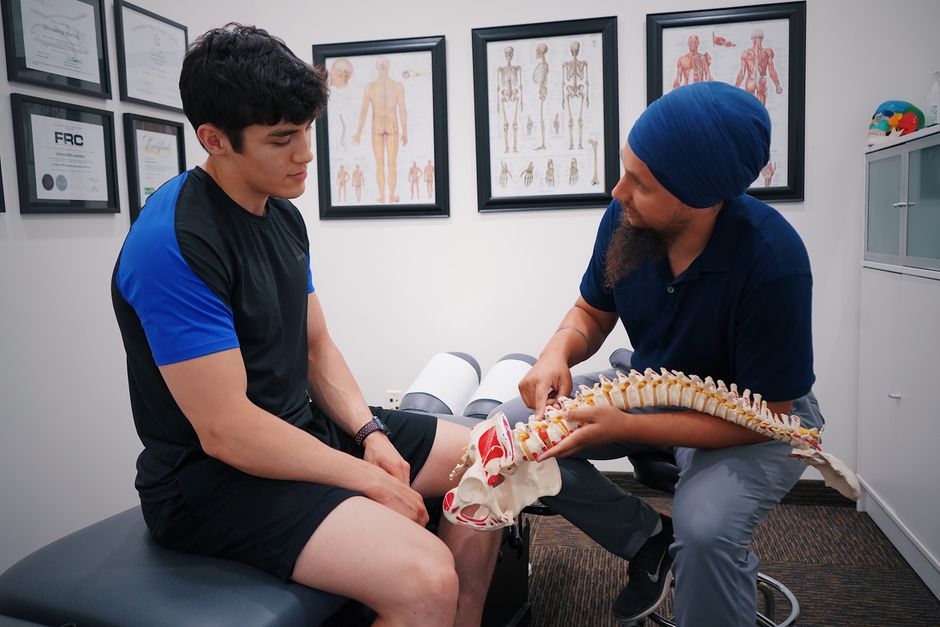
Your first appointment starts with a thorough evaluation. The therapist asks about your injury history, daily activities, and what makes your pain better or worse. They then assess your movement, strength, flexibility, and posture.
Based on this assessment, they create a treatment plan. That plan usually includes exercises you do during sessions and at home. It may also include manual therapy, where the therapist uses hands-on techniques to improve joint and tissue mobility.
Most people worry physical therapy will hurt. Some exercises may cause mild discomfort, but your therapist should never push you into severe pain. Tell them what you feel. They adjust the program based on your response.
How Long Does Physical Therapy Take to Work?
Recovery time depends on the injury, its severity, and how consistently you do your exercises. Some people notice improvement within a few sessions. Others need several weeks or months.
A simple ankle sprain may resolve in two to four weeks with proper rehabilitation. A rotator cuff tear or post-surgical recovery can take three to six months. Chronic conditions like long-standing back pain may require ongoing maintenance even after formal therapy ends.
Your therapist should give you a realistic timeline at your first visit. They should also track your progress objectively — measuring strength, range of motion, or functional tasks. If you are not improving, the plan should change.
Direct Access: You Can See a Physical Therapist Without a Referral
In most states, you can see a physical therapist directly without a doctor’s prescription. This is called direct access. It saves time and gets you into treatment sooner.
Some insurance plans still require a referral for coverage. Check with your insurance company before your first visit. Some states limit how many visits you can have under direct access before needing a physician’s referral.
Physical therapists are trained to recognize when your condition is outside their scope. If they suspect a fracture, infection, or other medical issue, they refer you to a physician. You are not committing to a long treatment course by scheduling one evaluation.
Do You Need a Doctor’s Diagnosis First?
No. Physical therapists perform their own evaluation and diagnosis. They identify movement impairments and tissue dysfunction that may not show up on imaging.
Imaging like X-rays and MRIs has limits. Many people with abnormal scans have no pain. Many people with severe pain have normal scans. A physical therapist assesses how your body actually moves and functions, which imaging cannot capture.
That said, imaging is sometimes necessary. If your therapist suspects a fracture, tumor, or other pathology, they refer you for appropriate testing. They also work closely with physicians when you have complex medical histories.
Physical Therapy Versus Rest: What Does the Evidence Say?
Complete rest was once the standard advice for injuries. That has changed. Research consistently shows that early, guided movement leads to better outcomes than prolonged rest for most musculoskeletal conditions.
Bed rest for back pain, for example, is no longer recommended. Studies show that staying active within pain tolerance speeds recovery. The same applies to ankle sprains, knee injuries, and most muscle strains.
Rest still has a role in the first 24 to 72 hours after an acute injury. Ice, compression, and elevation help control initial swelling. After that window, gentle movement and progressive loading promote tissue healing.
A physical therapist guides this transition from protection to activity. They ensure you load tissues appropriately without overdoing it. This balance is difficult to achieve on your own.
What Happens If You Delay Physical Therapy?
Delaying care can turn an acute injury into a chronic problem. Acute pain that lasts more than three months is considered chronic. Chronic pain is harder to treat and often involves changes in how the nervous system processes pain signals.
Compensation patterns also become entrenched. If you limp for weeks to protect an ankle, your hip and back adapt to that abnormal gait. Those adaptations can become painful themselves, even after the original injury heals.
Research on low back pain supports early intervention. People who start physical therapy within the first few weeks of symptoms have lower healthcare costs and better function than those who delay. The evidence for early care in other musculoskeletal injuries points in the same direction.
Frequently Asked Questions
How many physical therapy sessions will I need?
Most people need between six and twelve sessions for a typical injury. Your therapist adjusts the number based on your progress and specific condition.
Will physical therapy make my pain worse?
Some exercises cause mild muscle soreness, but therapy should not cause severe pain. Tell your therapist if something hurts more than mild discomfort so they can adjust your program.
Can I go to physical therapy without a doctor’s referral?
Yes, in most states you can see a physical therapist directly. Check your insurance plan first because some policies still require a referral for coverage.
What should I wear to physical therapy?
Wear comfortable, loose clothing that allows you to move freely. Athletic shoes are recommended, and you should be able to expose the injured area for assessment.
