
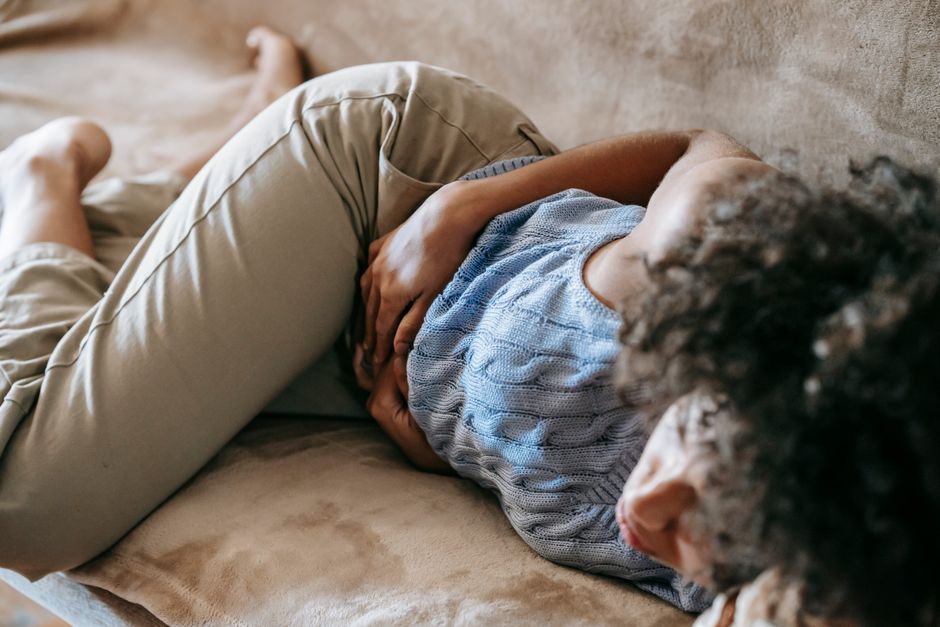
Kidney pain is rarely something to treat at home on your own. It usually signals an underlying condition like a kidney stone, infection, or injury that needs medical evaluation. While some causes, such as a small kidney stone, may pass with hydration and rest, others, like a bacterial infection, require prescription antibiotics. If the pain is severe, comes with a fever, or you cannot keep fluids down, that is your sign to seek emergency care immediately.
What Does Kidney Pain Actually Feel Like?
Kidney pain is different from back pain. It typically sits higher on the back, just under the ribcage, on one or both sides of the spine. It is often described as a dull, deep ache that stays in one spot rather than a sharp twinge that moves with movement.
Pain from a kidney stone can be a different story. That pain often comes in waves and can be intense, radiating from the flank around to the lower abdomen and groin. If you have ever heard someone describe passing a stone as worse than labor, this is the pain they mean.
Back pain from muscles usually improves with position changes or rest. Kidney pain generally does not. It persists regardless of how you sit, stand, or lie down. That consistency is one clue that the pain is coming from an organ, not a muscle.
What Causes Kidney Pain?
Several distinct conditions cause kidney pain. Knowing which one you might be dealing with changes how you respond.
Kidney stones are the most common cause of sharp, severe kidney pain. Stones form when minerals in urine crystallize. A small stone may pass unnoticed. A larger one can block the ureter, causing pressure to build in the kidney. That pressure is what creates the intense, wave-like pain.
Urinary tract infections that travel up to the kidney cause a condition called pyelonephritis. This is a bacterial infection of the kidney tissue itself. It typically causes a dull ache in the flank along with fever, chills, and painful urination. This condition always needs antibiotics. It does not resolve on its own.
Kidney injury from trauma, like a fall or car accident, can cause pain. Swelling, bruising, or bleeding in or around the kidney is serious. Any significant blow to the back followed by pain warrants an urgent medical check.
Less common causes include cysts on the kidneys, which usually cause a dull ache only if they grow large, and kidney cancer, which often causes no pain at all until it is advanced. Blood in the urine, with or without pain, should always be evaluated.
How To Alleviate Kidney Pain Safely At Home
Home care for kidney pain only applies to a narrow set of situations. It is not a substitute for diagnosis. The safest approach is to get a medical opinion first, then manage symptoms at home under that guidance.
For mild pain that a doctor has confirmed is from a small kidney stone, hydration is the main tool. Drinking water helps urine flow and can help move a small stone along. The goal is clear or pale yellow urine. Dehydration concentrates urine and can make stones worse.
Over-the-counter pain relievers can help with mild discomfort. Acetaminophen is generally safe for kidney function. Nonsteroidal anti-inflammatory drugs (NSAIDs) like ibuprofen and naproxen work well for pain but require caution. In people with existing kidney disease, NSAIDs can reduce blood flow to the kidneys and cause harm. If you have any history of kidney problems, ask a doctor before taking them.
Heat applied to the flank area can provide some comfort. A heating pad on a low setting for 15–20 minutes at a time may relax surrounding muscles. It does not treat the kidney itself, but it can make the discomfort more bearable.
Rest matters. The kidney is a filtering organ that works around the clock. You cannot rest it like a sprained ankle. But resting your body reduces overall strain and lets you notice whether symptoms are improving or worsening.



When To Seek Immediate Medical Care
Some symptoms mean you need emergency care without delay. Do not wait to see if they pass.
- Fever over 100.4°F (38°C) with back pain suggests a kidney infection that can spread to the bloodstream.
- Inability to urinate, or urinating only a tiny amount despite drinking fluids, indicates a possible blockage.
- Blood in the urine that is visible to the naked eye, especially with pain, requires evaluation.
- Severe pain that prevents you from sitting still or finding a comfortable position.
- Nausea and vomiting that prevent you from keeping fluids down, which can lead to dehydration.
- Pain accompanied by confusion, dizziness, or shortness of breath.
These symptoms can indicate a kidney infection, a blocked ureter, or kidney failure. All of these are medical emergencies. Call emergency services or go to the nearest emergency department.
What To Expect At The Doctor’s Office
If your pain is manageable but persistent, seeing your primary care doctor within a day or two is appropriate. The doctor will ask about your symptoms, check your temperature, and press on your flank area to locate the pain.
A urine test is the first diagnostic step. It can detect blood, white blood cells, or bacteria. If a stone is suspected, imaging such as a CT scan or ultrasound can confirm its size and location. A CT scan is the most sensitive test for stones, but an ultrasound may be used first to avoid radiation exposure.
Blood tests may check kidney function. These measure creatinine and blood urea nitrogen (BUN) levels to see how well your kidneys are filtering waste. Abnormal results can indicate a more serious problem.
Treatment depends on the diagnosis. A small stone may be managed with fluids and pain medication. A larger stone may need a procedure to break it up or remove it. A kidney infection requires antibiotics, and some cases need a short hospital stay for IV fluids and medications.
How To Prevent Future Kidney Pain
Prevention depends on the cause. For kidney stones, hydration is the single most effective measure. Drinking enough water to produce about 2 to 2.5 liters of urine per day significantly reduces stone formation risk. That is more than the standard eight glasses for most people.
Dietary changes can help some stone formers. Reducing sodium intake lowers calcium excretion in urine. Limiting animal protein may reduce uric acid stones. But dietary advice should be individualized based on the type of stone you form. A generic low-oxalate diet is not right for everyone.
For urinary tract infections, prevention focuses on hygiene and hydration. Urinating after intercourse, wiping front to back, and staying hydrated all reduce infection risk. Cranberry products have been studied for UTI prevention, but the evidence is mixed. Some research suggests they may help in certain populations, but they are not a guarantee and should not replace standard care.
Regular blood pressure checks matter. High blood pressure damages the kidneys over time, often without any symptoms. Keeping blood pressure in a healthy range protects kidney function silently and effectively.
Frequently Asked Questions
Can kidney pain go away on its own?
Some kidney pain from a small passing stone can resolve without treatment. Pain from an infection or blockage will not go away on its own and needs medical care.
Is heat or ice better for kidney pain?
Heat applied to the flank for 15–20 minutes can relax surrounding muscles and provide comfort. Ice does not reach the kidney itself and offers little benefit for organ pain.
What pain reliever is safe for kidney pain?
Acetaminophen is generally safe for the kidneys. NSAIDs like ibuprofen work well but should be avoided if you have existing kidney disease unless a doctor approves them.
How much water should I drink for kidney stones?
Drink enough water to produce about 2 to 2.5 liters of urine daily, which usually means roughly 3 liters of fluid intake per day. Urine should look pale yellow or clear.
