
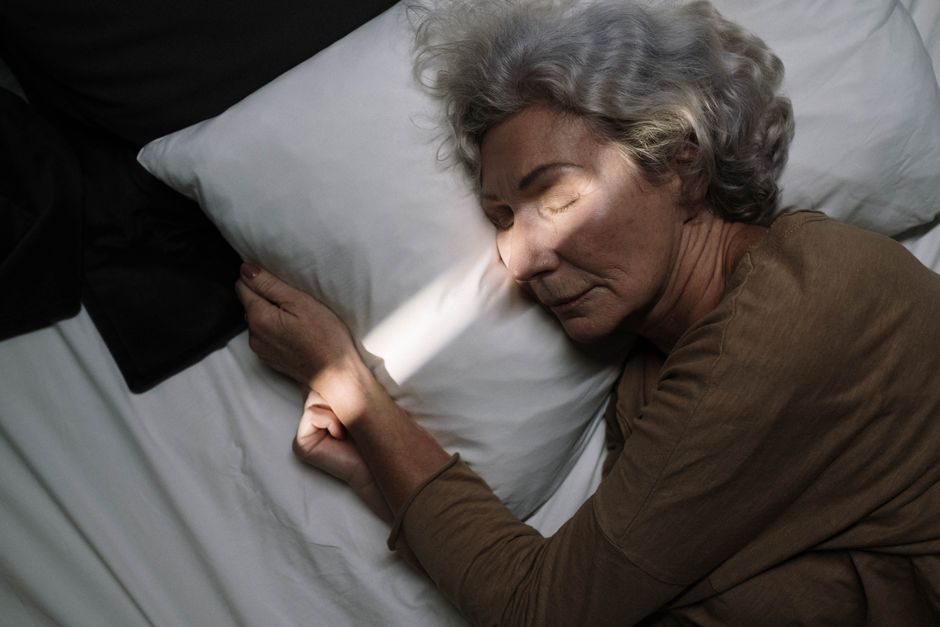
Sciatica pain often gets worse at night, and the position you sleep in can either calm the irritated nerve or aggravate it. The best sleeping positions for sciatica are the ones that keep your spine in a neutral line and take pressure off the sciatic nerve. Most people get the most relief by sleeping on their side with a pillow between the knees, or on their back with a pillow under the knees. Sleeping on your stomach is usually the worst choice because it arches the lower back and can pinch the nerve further.
What Is Sciatica and Why Does It Hurt More at Night?
Sciatica is not a disease on its own. It is a set of symptoms caused by something pressing on or irritating the sciatic nerve, which runs from the lower back through the buttock and down the back of each leg.
The most common cause is a herniated disc in the lower spine. Other causes include spinal stenosis (narrowing of the spinal canal), bone spurs, and in some cases a muscle in the buttock called the piriformis pressing on the nerve. The pain usually follows one leg, and it can feel like burning, shooting, or electric shocks.
Nighttime makes it worse for a few reasons. When you lie down, the spine is no longer supported by gravity in the same way, and the discs can shift. Certain positions stretch or compress the nerve. Also, when you are still and quiet, there are fewer distractions, so pain signals feel louder. Some people also notice more pain in the early morning because discs reabsorb fluid overnight and become slightly more pressurized.
This is why position matters so much. The goal is not to “fix” the nerve while you sleep. The goal is to stop making it worse for the hours you are lying down.
How To Sleep With Sciatica Best Positions For Relief
The positions below are the ones most often recommended by clinicians because they reduce load on the lower spine and keep the nerve from being stretched or compressed. Not every position works for every person, because the underlying cause varies. Try them and pay attention to which one lets you fall asleep and stay asleep.
Side Sleeping With a Pillow Between the Knees
This is the position most people find helpful. Lie on the side that does not hurt, if you can. If both sides hurt, pick whichever is less painful.
Bend your knees slightly and place a pillow between them. The pillow keeps your top leg from dropping forward, which would twist your pelvis and pull on the lower back. A pillow that is firm enough to hold the gap between your knees works better than a soft one that flattens.
Keep your head pillow at a height that keeps your neck in line with your spine. Too high or too low puts the whole chain out of balance.
Back Sleeping With a Pillow Under the Knees
Lying on your back with a pillow under your knees takes pressure off the lower back by flattening the natural curve slightly. This can ease nerve compression for some people.
Use a pillow that lifts the knees enough to feel comfortable but not so much that your hips feel strained. Some people also place a small rolled towel under the lower back for extra support.
If back sleeping makes your pain worse, stop. For some people with stenosis, lying flat on the back can increase symptoms.
Side Sleeping in a Fetal Position
A gentle fetal position — knees drawn up slightly, not tightly — can open the spaces between the vertebrae and take pressure off the nerve. This is often helpful for people with a herniated disc.
Do not curl up tightly. A tight curl can compress the abdomen and increase pressure on the spine. Keep it mild, with the pillow between the knees as described above.
What About Stomach Sleeping?
Stomach sleeping is generally the least helpful position for sciatica. It forces the neck to turn to one side and arches the lower back, which can increase pressure on the nerve.
If you simply cannot sleep any other way, place a pillow under your hips and lower abdomen. This reduces some of the arch. It is a compromise, not a fix.
Which Sleeping Position Is Best for a Herniated Disc?
For a herniated disc, the side-lying fetal position with a pillow between the knees is often the most comfortable. It opens the disc space slightly and reduces the bulge pressing on the nerve.
Back sleeping with a pillow under the knees is a good second option. Some people with a herniated disc find that lying on the stomach makes the pain shoot down the leg, which is a sign to avoid it.
Keep in mind that a herniated disc is only one cause of sciatica. If your pain comes from spinal stenosis or piriformis syndrome, the best position may be different. That is why it helps to notice what your own body does.





What Else Helps Sciatica at Night Besides Position?
Position is the foundation, but a few other habits can make a real difference.
- Use a mattress that is medium-firm. A mattress that is too soft lets the spine sag. One that is too hard can create pressure points. There is no single best mattress for everyone, so test what feels supportive.
- Take a warm shower or use a heating pad before bed. Heat relaxes tight muscles. Do not fall asleep with a heating pad on, because of burn risk.
- Do gentle stretches earlier in the evening, not right before sleep. A physical therapist can show you which ones are safe for your specific cause.
- Avoid sitting for long stretches in the evening. Prolonged sitting increases pressure on the discs.
- Talk to your doctor about pain relief options. Over-the-counter medications help some people. Prescription options exist for more severe pain, but they carry risks and are not right for everyone.
None of these replace an accurate diagnosis. If the cause is not identified, you are guessing at the solution.
When Should You See a Doctor About Sciatica?
Most cases of sciatica improve over time without surgery. But some symptoms need medical attention quickly.
Seek urgent care if you have:
- Loss of bladder or bowel control
- Numbness in the groin or inner thigh area
- Sudden severe weakness in one or both legs
- Pain after a serious fall or accident
These can signal a rare but serious condition called cauda equina syndrome, which needs emergency treatment. Do not wait.
See a doctor soon if pain is severe, keeps getting worse, lasts more than a few weeks, or comes with fever or unexplained weight loss. A physical exam and sometimes imaging can identify the cause and guide treatment.
For most people, sciatica is managed with time, activity modification, physical therapy, and pain control. Surgery is considered when symptoms are severe or not improving after other approaches. The timeline for improvement varies widely, so your doctor is the right person to set expectations for your case.
Does Sleeping Position Alone Fix Sciatica?
No. Sleeping position can reduce nighttime pain and help you rest, but it does not treat the underlying cause.
Think of it as removing one source of irritation. If a disc is pressing on a nerve, sleep position will not move that disc back. What it can do is stop you from spending eight hours in a position that makes things worse.
Good sleep matters for recovery. Poor sleep raises stress hormones and can lower pain tolerance, which makes the whole cycle harder. So getting the position right is worth the effort, even if it is not a cure.
If you have tried the positions above and still cannot sleep, or if the pain is getting worse, that is a signal to get medical help rather than keep adjusting pillows.
Frequently Asked Questions
What is the best sleeping position for sciatica?
Side sleeping with a pillow between the knees is the most commonly recommended position because it keeps the spine neutral and reduces pressure on the nerve. Back sleeping with a pillow under the knees is a good alternative if side sleeping is uncomfortable.
Is it better to sleep on your back or side with sciatica?
Either can work, depending on what is causing your sciatica. Side sleeping with knee support tends to help herniated disc pain, while some people with stenosis do better on their side rather than flat on their back.
Should I sleep on the side that hurts or the side that does not hurt?
Sleep on the side that does not hurt if you can, because it keeps pressure off the irritated nerve. If both sides hurt, choose the one that is less painful and use a pillow between your knees.
Can sleeping on my stomach make sciatica worse?
Yes, stomach sleeping often makes sciatica worse because it arches the lower back and turns the neck. If you must sleep on your stomach, place a pillow under your hips and lower abdomen to reduce the arch.
