
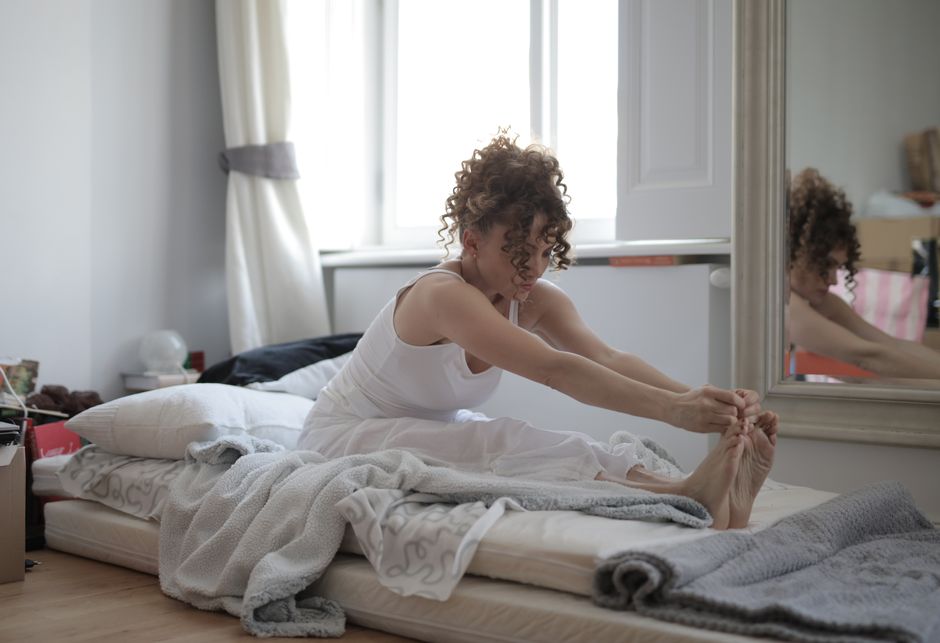
Sleeping on the floor without a mattress can be comfortable if you prepare your body and your setup correctly. The key is to start gradually, use the right surface and support layers, and adjust your sleeping position. Most people find comfort by combining a thin mat or rug with strategic pillow placement and a consistent transition period of a few weeks. This approach allows your body to adapt without causing pain or stiffness.
Does Sleeping on the Floor Without a Mattress Actually Work for Comfort?
Yes, it can work, but comfort is not automatic. Many people around the world sleep on the floor as a cultural norm and report good sleep quality. In Western countries, floor sleeping has gained attention for its potential benefits to spinal alignment and reduced pressure points.
Research published in the Journal of Chiropractic Medicine found that sleeping on a firmer surface can reduce lower back pain in some people. However, the same study noted that a surface that is too hard can worsen pain for others. Comfort depends on your body weight, existing pain, and how you position yourself.
What works for one person may not work for you. The evidence does not support claims that floor sleeping is universally better. It is a personal choice that requires experimentation.
What Is the Best Surface to Sleep on Without a Mattress?
A bare hardwood or tile floor is rarely comfortable for most people. The surface is too hard and does not allow for any pressure relief on your hips, shoulders, or knees. You need some kind of padding.
Good options include a thick yoga mat, a camping pad, a tatami mat, or a wool or cotton futon that is only a few inches thick. Carpeted floors provide a small amount of cushion already, so a thin mat may be enough. Hard floors need at least a half-inch of padding to prevent discomfort.
One non-obvious point: memory foam is not ideal for floor sleeping. Memory foam molds to your body but does not provide even support on a hard surface. You may sink unevenly, which can strain your spine. A firmer, denser pad like a traditional futon or a high-density foam camping pad gives more consistent support.
How Do You Transition to Floor Sleeping Without Pain?
Do not switch to the floor all at once. Your body needs time to adjust to the new surface. Start by sleeping on the floor for one or two hours before moving to your bed. Increase the time each night over two to three weeks.
Some people report that the first few nights cause mild soreness in the hips, shoulders, and lower back. This is normal. The soreness usually fades as your muscles and joints adapt. If pain lasts longer than a week or gets worse, stop and reconsider your setup.
Stretching before bed can help. Gentle hip openers, hamstring stretches, and spinal twists prepare your body for a firmer surface. The American Academy of Orthopaedic Surgeons recommends light stretching before any change in sleeping surface to reduce injury risk.





What Is the Best Sleeping Position for Floor Comfort?
Your sleeping position matters more on the floor than on a mattress. The floor does not conform to your body, so you must position yourself to maintain a neutral spine.
| Sleeping Position | Pros | Cons |
|---|---|---|
| Back sleeping | Best spinal alignment; even weight distribution | Requires a thin pillow under knees to maintain lower back curve |
| Side sleeping | Good for many people; reduces snoring | Needs thick pillow between knees to keep hips aligned; pressure on shoulder |
| Stomach sleeping | Not recommended on floor | Forces neck rotation; strains lower back; hard to breathe |
Back sleeping is generally the best choice for floor comfort. Place a thin pillow or rolled towel under your knees. This keeps your lower spine in its natural curve. Without this support, your lower back may arch too much and cause pain.
If you side sleep, use a thicker pillow between your knees. This prevents your top leg from pulling your pelvis out of alignment. Your head pillow should fill the gap between your ear and the floor without tilting your neck up or down.
Stomach sleeping on the floor is difficult for most people. It forces your neck to twist to one side for hours. If you must stomach sleep, place a very thin pillow under your pelvis to reduce lower back strain.
What Pillows and Supports Do You Need for Floor Sleeping?
Pillow placement is not optional. Without strategic support, floor sleeping can cause stiffness. Here is what most people need:
- A thin head pillow (1-2 inches thick) for back sleeping; a thicker one for side sleeping
- A knee pillow for back sleeping (rolled towel or small cushion)
- A knee pillow for side sleeping (thicker, between both knees)
- A small lumbar roll or rolled towel placed under your lower back if you feel a gap
Some people also use a thin pillow under their arms. For side sleepers, the bottom arm can get compressed. Placing a small cushion under your bottom arm prevents shoulder strain. For back sleepers, placing your arms at your sides rather than above your head reduces shoulder tension.
Do not use a thick, fluffy pillow for your head on the floor. It will tilt your neck at an unnatural angle. A flat, firm pillow works better. Many floor sleepers use a buckwheat hull pillow because it holds its shape and does not compress too much.
How To Sleep On The Floor Without A Mattress Comfortably: Practical Setup Steps
Here is a step-by-step setup that most people find works well:
First, choose your base layer. A dense foam pad or thin futon on carpet, or a thicker camping pad on hard floors. Avoid layers that are too soft or compressible. You want support, not sinking.
Second, position your pillows. Place your head pillow flat, not folded. Put your knee support in place. If you are back sleeping, the knee support is under your knees. If side sleeping, it is between your knees.
Third, test the setup for five minutes before committing to sleep. Roll to your side and back. Feel for pressure points. If your hip or shoulder hurts immediately, add a thin layer of padding. If your neck feels strained, adjust your pillow height.
Fourth, keep your room temperature slightly warmer than usual. The floor is naturally cooler than a bed, and your body loses heat to the ground. A warm blanket or an extra layer underneath you helps maintain body temperature.
Fifth, be patient. Most people report that it takes 1-3 weeks to feel fully comfortable. Your body is learning a new sleep posture. Do not judge the first few nights.
What Are the Common Mistakes People Make When Trying Floor Sleeping?
The most common mistake is going straight from a thick mattress to bare floor. This shocks your body and causes pain. The gradual transition is not optional — it is essential for comfort.
Another mistake is using no pillow or the wrong pillow. Many people think floor sleeping means sleeping flat with no support. That is false. Your spine still needs its natural curves supported. Without a knee pillow, your lower back will arch. Without a proper head pillow, your neck will bend.
Some people also ignore the cold. The floor can be significantly colder than your bed. If you wake up shivering, add an insulating layer like a wool blanket underneath you. Your body temperature drops during sleep, and the floor conducts heat away from you quickly.
Finally, many people give up too early. They try one night, feel sore, and quit. The soreness is part of the adaptation process. If you stop immediately, you never give your body the chance to adjust. However, if pain is sharp or lasts beyond a week, listen to your body and stop.
Some people report that floor sleeping helps their back pain. Others find it makes existing pain worse. There is no one-size-fits-all answer. The CDC notes that individual responses to sleep surfaces vary widely, and what helps one person may harm another.
If you have chronic back problems, osteoporosis, or joint issues, talk to your doctor before trying floor sleeping. People with hip replacements or shoulder injuries may find floor sleeping too uncomfortable. The floor is not a cure-all, and it is not safe for everyone.
Frequently Asked Questions
How long does it take to get used to sleeping on the floor?
Most people adjust within 1 to 3 weeks. The first few nights may cause mild soreness as your body adapts.
Can sleeping on the floor fix back pain?
Some people report improvement, but research shows results vary. A firmer surface helps some people and worsens pain for others.
What is the best padding for sleeping on a hard floor?
A dense foam pad, camping pad, or thin futon works best. Avoid memory foam because it does not provide even support on a hard surface.
Is it bad to sleep on the floor every night?
It is not bad for most healthy people. However, those with chronic pain, joint issues, or mobility problems should consult a doctor first.
