
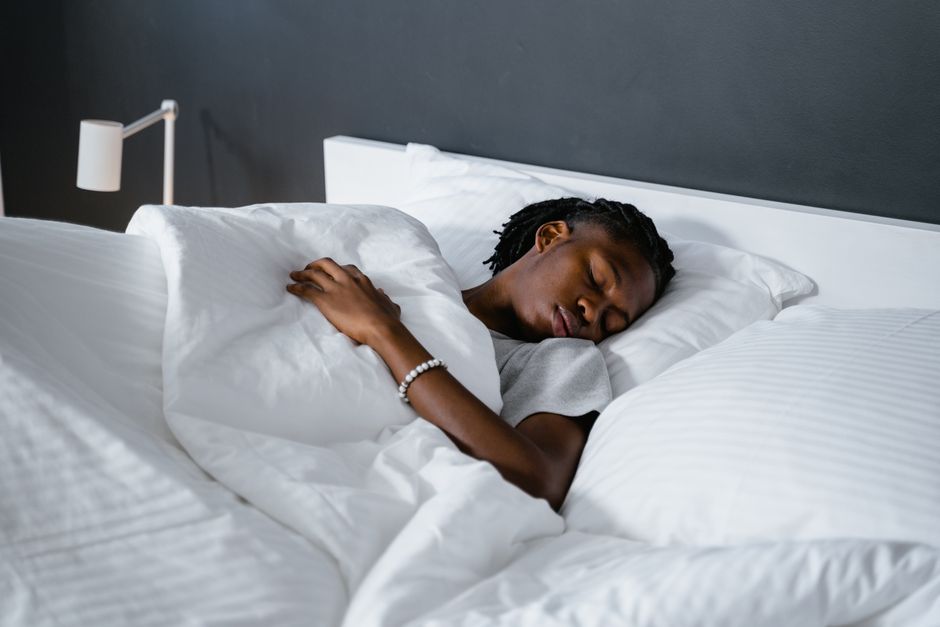
Sleeping with a thrown out back is miserable. The best positions are on your side with a pillow between your knees, or on your back with a pillow under your knees. These positions help keep your spine in a more neutral alignment and reduce strain on the muscles and joints.
What does it mean to have a thrown out back?
The term “thrown out back” is not a medical diagnosis. It describes sudden sharp pain in the lower back that makes it hard to move. This usually happens after a specific movement like bending, twisting, or lifting something heavy.
What you are likely feeling is a muscle spasm. A muscle spasm is an involuntary contraction that does not relax. The muscle stays tight and painful. This is your body’s way of protecting your spine from further injury. Sometimes a small ligament sprain or a minor disc irritation causes this reaction. In most cases the pain is coming from the muscles and soft tissues around your spine, not the spine itself.
The spasm can pull your spine out of its normal position briefly. This “out of position” feeling is real but usually temporary. Once the spasm starts to calm down, your posture will return to normal.
How should you sleep with a thrown out back?
The goal of any sleep position for an acute back spasm is to keep your spine in a neutral position. A neutral spine means the natural curves of your neck, mid-back, and lower back are not exaggerated or flattened.
Side sleeping (recovery position)
This is the most commonly recommended position. Lie on the side that feels most comfortable. Place a firm pillow between your knees. This keeps your hips and pelvis aligned. Without the pillow, your top leg will drop down and twist your lower back. Choose a pillow that is thick enough to fill the gap between your knees. Your hips should remain stacked directly on top of each other.
Back sleeping
If side sleeping hurts too much, sleeping on your back is the next best option. Place one or two pillows under your knees. This slightly bends your hips and knees, which reduces tension on your lower back. It also helps maintain the natural inward curve of your lumbar spine. Use a small, thin pillow under your head and neck. A thick pillow can push your head forward and strain your upper back.
Both of these positions reduce stress on your spinal joints and allow your back muscles to relax more than they would with your spine twisted or bent.
What about sleeping on your stomach?
Stomach sleeping is the worst position for a thrown out back. It forces your neck to turn to one side and pushes your lower back into an exaggerated arch. This increases pressure on your spinal joints and keeps your back muscles in a state of tension.
If you cannot avoid stomach sleeping, place a thin pillow under your pelvis and lower belly. This reduces some of the arch in your lower back. You can also sleep without a head pillow or with a very flat one to keep your neck more neutral. Even with these adjustments, stomach sleeping is still not ideal. Try to transition to side or back sleeping while your back is recovering.





Should you sleep on a different surface?
A mattress that is too soft will not support your spine well. Your hips and shoulders may sink too deeply, throwing your spine out of alignment. A mattress that is too firm may create pressure points that make it harder to get comfortable.
Most adults with acute back pain do well with a medium-firm mattress. You do not need to buy a new mattress for a short-term back problem. A one-time fix is to place a thin memory foam topper or a firm blanket under your sheet to slightly change the support surface.
Some people find relief sleeping in a recliner or propped up with pillows in a semi-sitting position. This works because it keeps the hips and knees bent, which reduces tension on the lower back. The trade-off is that your neck might end up in a poor position. If you try this, use a small pillow or rolled towel behind your neck for support.
What can you do before bed to make sleeping easier?
Your sleep position matters less if your muscles are already tense and painful when you get into bed. A few simple steps before sleep can help calm your back enough to get comfortable.
Ice or heat?
For the first 24 to 48 hours after the pain starts, ice can help reduce inflammation and numb the pain. Use an ice pack wrapped in a thin towel for 15 to 20 minutes. After 48 hours, gentle heat can help relax tight muscles. A warm shower or a heating pad on a low setting for 15 to 20 minutes is often helpful. Do not use heat if there is visible swelling or if heat makes the pain worse.
Gentle movement
Complete rest used to be the standard advice, but now clinicians generally recommend staying as active as pain allows. Before bed, try some very gentle stretches. Lie on your back and hug one knee at a time toward your chest. Hold for 15 seconds. Do not force the movement. Stop if it causes sharp pain. This gentle movement can help release muscle tension without aggravating the spasm.
Pain relievers
Over-the-counter anti-inflammatory medications like ibuprofen or naproxen can reduce pain and inflammation. Acetaminophen can also help with pain but does not reduce inflammation. Always follow the dosing instructions on the label. If you have medical conditions or take other medications, check with your doctor or pharmacist before taking any pain reliever.
Sleep environment
A cool, dark, and quiet room may help you fall asleep faster. Stress and anxiety about the pain can make it harder to relax. If you are having trouble, try deep breathing before bed. Breathe in for four seconds, hold for four seconds, and breathe out for four seconds.
When will the pain go away?
Acute back pain from a spasm usually improves within a few days to a couple of weeks. Most people feel significantly better after about two weeks. In some cases, the pain can last up to six weeks but then resolves on its own.
During the first few nights, you may wake up when you roll over and feel a sharp spasm. This is normal. As the muscle relaxes and healing begins, your sleep quality will improve. If you are not noticing any improvement after two weeks, or if the pain is getting worse, it is reasonable to see a doctor. Most acute back pain does not require imaging or special treatment, but a doctor can rule out more serious causes.
When should you see a doctor?
Seek medical care if you have any of the following symptoms:
- Pain that travels down your leg, especially below the knee
- Numbness, tingling, or weakness in your legs or feet
- Loss of bladder or bowel control
- Fever or chills
- Unexplained weight loss
- Pain that started after a fall or accident
These symptoms may indicate a more serious condition such as a herniated disc pressing on a nerve, a spinal infection, or a fracture. Otherwise, a simple back spasm is rarely an emergency.
Can you prevent a thrown out back?
Not every episode is preventable, but good core strength and proper lifting technique reduce your risk. Your core muscles help stabilise your spine during movement. A daily routine of simple exercises like planks, bridges, and bird-dog poses can strengthen these muscles.
When lifting anything heavy, bend at your knees, not at your waist. Keep the object close to your body. Avoid twisting while lifting. If you have had a previous back injury, you are at higher risk for another one, so taking these precautions is especially important.
Paying attention to your sitting posture during the day also matters. Sitting for long periods with poor posture can fatigue your back muscles and make them more prone to spasm. Stand up and move every 30 minutes if possible.
How To Sleep With A Thrown Out Back Best Positions? — Summary
The most reliable sleep positions for acute back pain are side sleeping with a pillow between your knees and back sleeping with a pillow under your knees. Both positions maintain spinal alignment and allow muscles to relax. Avoid stomach sleeping. Make small adjustments to your pillow and mattress support as needed. Use ice or heat wisely, stay gently active, and give your body time to heal. Most episodes resolve within a couple of weeks.
Frequently Asked Questions
Should I sleep without a pillow to help my back?
No. Sleeping without a pillow can strain your neck and upper back regardless of your sleep position. Use a small, thin pillow that supports your head without tilting it up or down.
Is it okay to sleep on a couch or recliner with a thrown out back?
It can provide relief because a semi-sitting position keeps your hips and knees bent and reduces lower back tension. Just be sure your neck is supported properly so you do not wake up with neck pain.
Can a firm mattress make a thrown out back worse?
Yes. A mattress that is too firm can create pressure points and prevent your spine from maintaining its natural curves. A medium-firm surface is generally best for acute back pain.
How long should I use ice or heat before bed?
Use ice for 15 to 20 minutes during the first 48 hours to reduce inflammation. After 48 hours, use heat for 15 to 20 minutes to relax muscle spasms. Never use heat if there is visible swelling.
