
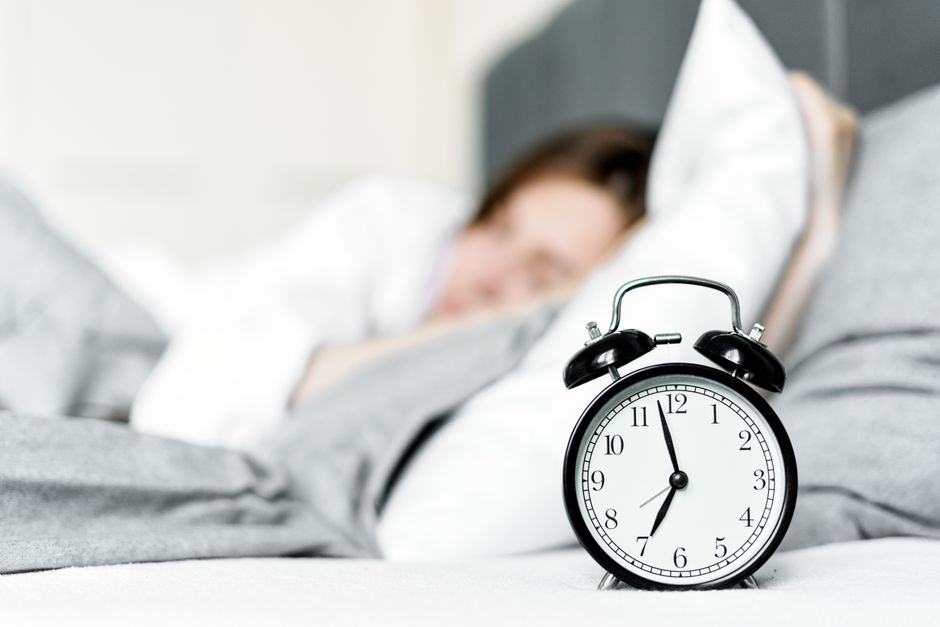
Struggling to fall asleep quickly? Some techniques can help you drift off in minutes. One reliable method is the 4-7-8 breathing technique: inhale for 4 seconds, hold for 7, exhale for 8. Another is progressive muscle relaxation, where you tense and release muscle groups. These methods work by activating your parasympathetic nervous system, which signals your body it is time to rest. Consistent practice improves effectiveness.
How To Put Yourself To Sleep In Minutes
Combine two proven techniques for the fastest results. Start with the 4-7-8 breathing pattern for one minute. Then move through progressive muscle relaxation: tense your toes for 5 seconds, release, and notice the relaxation. Work up through your legs, abdomen, chest, arms, hands, neck, and face. The entire sequence takes about five minutes. You can repeat it if needed. This combination triggers a powerful relaxation response that many people find helps them fall asleep within ten minutes.
What Is the Best Breathing Technique to Fall Asleep Fast?
Slow, deep breathing activates your parasympathetic nervous system, which lowers heart rate and blood pressure. One commonly taught pattern is the 4-7-8 technique. Breathe in through your nose for four seconds. Hold your breath for seven seconds. Exhale completely through your mouth for eight seconds. Repeat this cycle three to four times. Some sleep specialists recommend this because the extended exhale stimulates the vagus nerve, which promotes calmness. Individual results vary, but many people find it works within a few minutes.
How Does Progressive Muscle Relaxation Help You Sleep?
Progressive muscle relaxation (PMR) reduces physical tension that can keep you awake. You systematically tense each muscle group for five seconds, then release and notice the sensation of relaxation. Research consistently shows PMR improves sleep quality and reduces the time it takes to fall asleep. It is a core component of cognitive behavioral therapy for insomnia (CBT-I). The technique is simple: start with your feet and work upward, or start with your face and work downward. Either direction works. The key is to focus on the contrast between tension and relaxation.





Can Visualization Really Put You to Sleep in Minutes?
Mental imagery can distract your mind from racing thoughts. One common method is to imagine a peaceful scene in detail — the colors, sounds, and textures. Another approach is to count backwards slowly while picturing each number. Some people find it helpful to imagine a staircase with ten steps, descending one step per breath. The evidence for visualization is less established than for breathing techniques or PMR, but many sleep clinics include it as a relaxation tool. It works best when combined with other methods.
What Role Does Temperature Play in Falling Asleep?
Your body temperature naturally drops at night to prepare for sleep. A cool bedroom environment helps speed this process. The ideal room temperature for sleep is around 65 to 68 degrees Fahrenheit (18 to 20 Celsius). Taking a warm bath about an hour before bed also helps: the subsequent drop in body temperature signals your brain it is time to sleep. Avoid heavy blankets that trap heat, and consider using a fan or opening a window if allowed. A cool sleeping environment is a simple, evidence‑based way to reduce the time it takes to fall asleep.
How Should You Adjust Your Evening Routine for Faster Sleep?
Consistent habits prepare your body for rest. Try to go to bed at the same time every night, even on weekends. Dim the lights about an hour before bed. Avoid screens — phones, tablets, computers — because their blue light suppresses melatonin. If you must use a screen, enable a night mode setting. Avoid large meals, caffeine, and alcohol within two to three hours of bedtime. Even small amounts of alcohol can disrupt sleep later in the night. A short, calming activity like reading a physical book or gentle stretching can signal your body that sleep is near.
What About Supplements or Medications for Quick Sleep?
Melatonin is a hormone that regulates your sleep‑wake cycle. Some people use it for jet lag or shift work, but the evidence for general insomnia is mixed. Low doses (0.5 to 5 mg) may help some individuals fall asleep slightly faster. No clinical guidelines recommend melatonin for chronic insomnia as a first treatment. Prescription sleep medications can be effective but carry risks of dependence and side effects. They should only be used under a doctor’s supervision. Always talk to your healthcare provider before starting any supplement or medication for sleep.
Why Do Some People Still Struggle to Fall Asleep Fast?
Chronic difficulty falling asleep may be a sign of insomnia disorder. If you consistently take longer than 30 minutes to fall asleep for at least three nights a week over three months, talk to your doctor. Other causes include stress, anxiety, depression, sleep apnea, restless legs syndrome, or an irregular schedule. Cognitive behavioral therapy for insomnia is the most effective long‑term treatment. It addresses the thoughts and habits that keep you awake. No single technique works for everyone, so it helps to try different approaches and see what works for you.
Frequently Asked Questions
How long does it take for the 4-7-8 breathing to work?
Many people feel calmer after 2 to 3 cycles, which takes about one to two minutes. Falling asleep can take longer, often 5 to 10 minutes if combined with other relaxation methods.
Can I use progressive muscle relaxation if I have pain?
Yes, but avoid tensing areas that are painful. Instead, focus on gentle tensing or skip that area entirely. You can also do the relaxation without tensing by simply focusing on each body part and letting it relax.
Is it safe to take melatonin every night?
Long-term nightly use of melatonin has not been thoroughly studied in healthy adults. Most guidelines recommend using it only for short periods, such as for jet lag. Consult your doctor before nightly use.
What if none of these techniques help me fall asleep in minutes?
If you consistently take more than 20 to 30 minutes to fall asleep despite good habits, you may have an underlying sleep disorder. See your doctor or a sleep specialist for an evaluation.
