
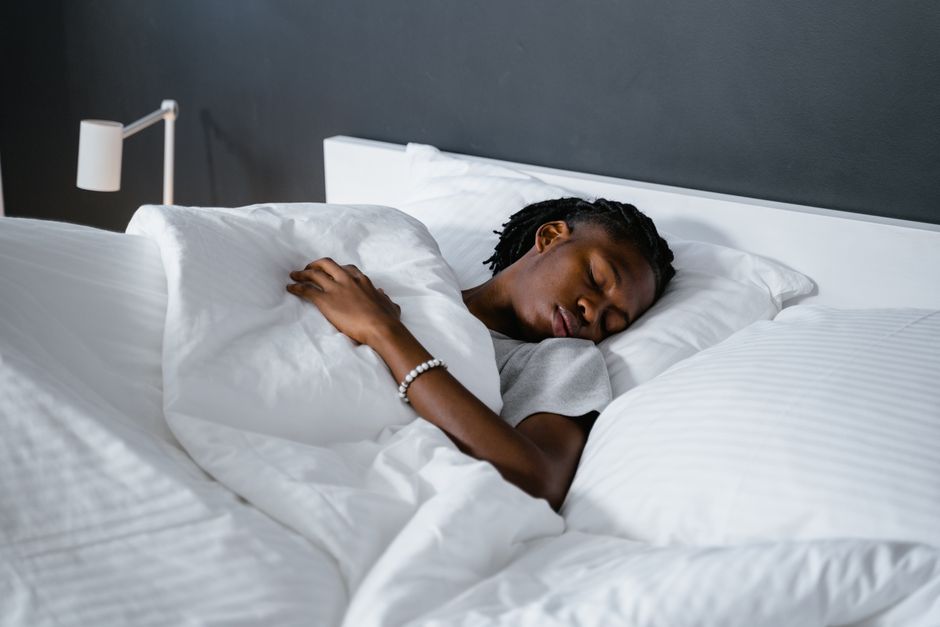
Sleeping on your back is often called the best position for spinal alignment. But if you keep waking up on your side, you are not alone. Staying on your back requires training your body and adjusting your sleep setup. The key is to make the supine position comfortable and hard to leave. Use pillows to block your sides, choose a supportive mattress, and consider a positional device if needed. With consistent practice, you can train your body to stay on its back through the night.
Why Is Sleeping on Your Back Recommended?
Sleeping face up keeps your head, neck, and spine in a neutral line. This reduces pressure on your joints and can prevent stiffness. It also allows your face to rest without being pressed into a pillow, which may help prevent wrinkles and skin irritation.
For people with acid reflux, back sleeping with the head slightly elevated can keep stomach acid down. However, for those with obstructive sleep apnea, sleeping on the back can worsen symptoms. The tongue and soft palate can fall backward and block the airway. Sleep physicians sometimes advise side sleeping for apnea patients.
Overall, the supine position is a good goal for many people. But it is not right for everyone. If you have chronic back pain or breathing issues during sleep, talk to a doctor before committing to this position.
Why Do You Roll Off Your Back During Sleep?
Your body naturally shifts position during sleep to relieve pressure points. This is a normal part of sleep. When you lie on your back, the weight is distributed across the back of your head, shoulders, buttocks, and heels. These areas can feel uncomfortable after a while, so your body rolls to a side or stomach to shift pressure.
Habit also plays a big role. If you have slept on your side for decades, your body has learned that position is comfortable. Changing that pattern takes time. Muscle relaxation during deep sleep also makes it easier to roll. You are not making a conscious choice — your body simply moves.
Understanding this helps you plan. You need to make the back position comfortable enough that your body does not feel the need to move. And you need ways to remind yourself to stay put.
How To Sleep On Your Back And Stay There?
The most direct method is to create a physical barrier that makes rolling over difficult. Place pillows or rolled blankets along both sides of your body. This prevents you from turning onto your side or stomach. You can also use a body pillow or a pregnancy pillow that wraps around you and keeps you in place.
Another option is the tennis ball method. Attach a tennis ball to the front of a shirt or wear a backpack with a firm object inside. When you roll onto your stomach or side, the pressure wakes you up. Over time, your brain learns to avoid that position. There are also commercial positional therapy devices that vibrate gently when you are not on your back. These are often used in sleep medicine for positional sleep apnea.
Start by sleeping on your back for short periods. Use pillows behind your knees to reduce lower back strain. Your mattress should be firm enough to support the natural curve of your spine. A pillow that is too thick can push your head forward and strain your neck. Choose a flatter pillow or a cervical pillow designed for back sleepers.
Be patient. It can take two to four weeks of consistent effort to retrain your sleep position. Some people find it easier to sleep on their back if they raise their knees slightly. Others prefer a small wedge under the head for comfort.





What Pillows and Mattresses Are Best for Back Sleeping?
Your pillow height matters. For back sleeping, you want a pillow that fills the gap between your head and the mattress without lifting your head too high. A pillow that is too thick pushes your chin toward your chest. A pillow that is too thin lets your head drop backward. Both create neck strain. Look for a medium-loft or adjustable pillow that you can customize.
Memory foam or latex pillows often provide better support for the neck curve than soft down pillows. A cervical pillow with a contoured shape can help maintain alignment. Your mattress should be medium-firm. A very soft mattress allows your hips to sink, which can strain the lower back. A very firm mattress can create pressure points at the heels and shoulders. Medium-firm is most often recommended by spine specialists.
If you have lower back pain, placing a small pillow under your knees can reduce the curve in your lower spine. This takes pressure off the lower back muscles and helps you stay comfortable in the supine position.
Can Positional Therapy Devices Help?
Yes, some devices are designed specifically for positional sleep training. Wearable devices that vibrate when you roll off your back can provide real-time feedback. These are used in clinical settings for people with positional sleep apnea. Studies suggest they can improve sleep quality by reducing time spent on the back in people who have apnea.
For general sleepers, the same principle applies. The vibration is enough to prompt you to shift back to your back without fully waking you. Over time, your body may learn to stay supine. These devices are not a cure for sleep apnea if you have it — they are a management tool. You should discuss with a sleep specialist before using them for apnea.
The simplest and cheapest device is a tennis ball sewn into a pocket on the back of a shirt. It works as a gentle reminder. Some people find it uncomfortable and prefer a softer object. Either way, the idea is to create an obstacle that makes side or stomach sleeping less convenient.
What If Back Sleeping Causes Snoring or Breathing Problems?
For some people, sleeping on the back increases snoring and makes sleep apnea worse. If you snore loudly or wake up gasping for air, do not force back sleeping. Talk to your doctor. They may recommend a sleep study to check for sleep apnea.
If you have mild snoring without apnea, elevating your head slightly can help. Use a wedge pillow that raises your upper body at a gentle angle. This helps keep the airway open. Avoid thick pillows under the head alone — they can actually close the airway. A wedge or an adjustable bed frame works better.
Do not assume back sleeping is better for everyone. The best sleep position depends on your individual health conditions. Spine alignment matters, but breathing is more important. Always prioritize getting enough quality sleep over forcing a specific position.
What Are Common Mistakes When Trying to Sleep on Your Back?
One mistake is using a pillow that is too thick. This leads to neck pain and makes you want to roll to your side. Another is not supporting your lower back. Without a pillow under the knees, many people feel a strain in the lower spine that wakes them up.
Some people try to wear a tight strap or belt to hold themselves in place. This can be dangerous if it restricts movement or circulation. Do not use anything that could cause a fall risk or breathing problem. Always choose methods that allow you to move if necessary.
Expecting instant results is another common mistake. Changing a sleep habit that has been with you for years takes time. Expect some nights where you wake up on your side. That is normal. Keep consistent with your pillow setup and barrier pillows, and gradually your body will adapt.
Frequently Asked Questions
What is the best pillow for sleeping on my back?
The best pillow for back sleeping is one that keeps your head aligned with your spine, usually a medium-loft or contoured cervical pillow. Your pillow should fill the gap between your head and mattress without tilting your chin up or down.
How long does it take to train yourself to sleep on your back?
It typically takes two to four weeks of consistent practice to retrain your sleep position. Using barrier pillows or a positional device every night speeds up the process.
Can I sleep on my back if I have lower back pain?
Yes, but you need proper support. Place a small pillow or rolled towel under your knees to reduce the curve in your lower spine. A medium-firm mattress also helps prevent lower back strain.
What if I keep rolling onto my stomach?
Use pillows along both sides of your body to block the roll. You can also wear a shirt with a tennis ball sewn into the front to create a slight discomfort when you turn onto your stomach.
