
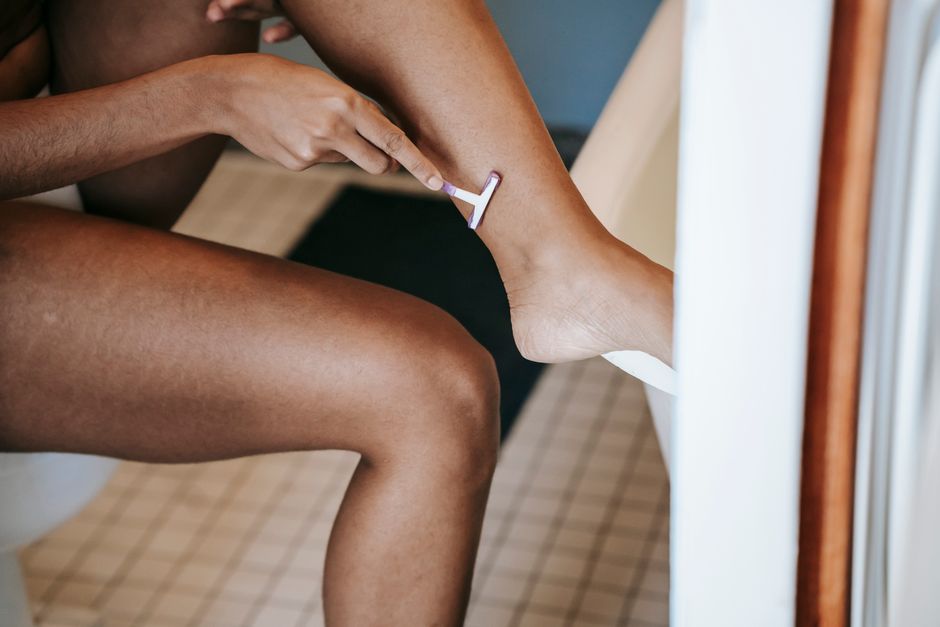
Shaving your entire body without irritation comes down to preparation, technique, and aftercare. The key facts are simple: soften the hair and skin first, use a fresh sharp blade, shave in the direction of hair growth for sensitive areas, and moisturize immediately after. Most razor burn, bumps, and redness happen because people skip these steps or rush through them. Getting smooth, rash-free skin is less about expensive products and more about doing the basics correctly every single time.
Why Does Full Body Shaving Cause Irritation?
Razor irritation is not random bad luck. It is a physical response to the razor blade scraping across your skin. Every pass of the blade removes hair, but it also removes a thin layer of dead skin cells and oils that protect the surface. When that protective layer is stripped away, the skin underneath becomes exposed and inflamed.
Shaving against the grain of your hair growth causes the most irritation. The blade cuts the hair below the surface of the skin, which increases the risk of the hair growing back into the skin. This is the primary cause of razor bumps, also known as pseudofolliculitis barbae. The sharper the blade, the cleaner the cut. A dull blade tears the hair instead of cutting it cleanly, leaving a jagged edge that is more likely to curl back into the skin.
Friction is the other major culprit. Dragging a razor over dry or poorly lubricated skin creates micro-tears. These tiny injuries trigger redness, stinging, and sometimes small bumps that look like a rash. The skin on your legs, arms, chest, and back varies in thickness and sensitivity, so a technique that works on one area may cause problems on another.
How To Shave Your Full Body Without Irritation: Step-by-Step
The single most effective way to prevent irritation is to prepare your skin before the razor ever touches it. Hair absorbs water and becomes softer and easier to cut after a few minutes of exposure to warm water. Showering for at least five minutes before shaving softens the hair shaft significantly. This reduces the force needed to cut the hair, which means less trauma to the skin.
Exfoliation before shaving removes the buildup of dead skin cells that can clog the razor and trap hairs. Use a gentle body scrub or a washcloth in circular motions. Do not scrub hard. The goal is to smooth the surface, not to damage it. Exfoliating one to two times per week is generally enough for most people. If you have sensitive skin, skip the scrub and rely on the warm water alone.
Use a shaving cream or gel designed for sensitive skin. Look for products that are fragrance-free and contain moisturizing ingredients like aloe vera or glycerin. Fragrance is a common irritant, especially on large areas of the body where the product sits on the skin for several minutes. Apply a generous layer so the razor glides without dragging.
Shave in the direction of hair growth for the first pass. This removes the bulk of the hair with the least irritation. If you want a closer shave, you can do a second pass against the grain only on areas that tolerate it, like your legs. Avoid multiple passes over the same spot on sensitive areas like the chest, bikini line, and underarms. One pass is usually enough to look smooth without causing damage.
Rinse the razor after every stroke. A clogged razor is an ineffective razor. It drags, pulls, and increases the chance of nicks. Use short, light strokes and do not press the razor into the skin. The weight of the razor is enough pressure. Pressing harder does not give a closer shave. It only increases friction and irritation.
Best Practices for Sensitive Body Areas
Not all skin on your body is the same. The chest and stomach have thinner skin and more nerve endings than your legs. The bikini area is prone to ingrown hairs because the hair is coarse and curly. The underarms have delicate skin that is often shaved in multiple directions because hair grows in several different patterns.
For the chest and stomach, use a fresh blade and shave only in the direction of hair growth. Do not stretch the skin tight. Let the razor glide over the natural contours of your body. Curved areas like the collarbone and ribs require extra care because the blade can catch on bony prominences.
For the bikini area, trim longer hair with scissors or a body groomer before shaving. A razor will clog immediately on long hair, forcing you to rinse it constantly and pass over the same area repeatedly. Use a mirror and take your time. Shave slowly in the direction of growth. This area is the most prone to razor bumps, so do not chase a perfectly smooth result on the first pass.
For the underarms, lift your arm above your head to flatten the skin. Shave in multiple directions if needed, but use a light touch. The skin here is thin and sensitive. Deodorant applied immediately after shaving can sting and irritate freshly shaved skin. Wait at least 15 minutes before applying any product with fragrance or aluminum compounds.





How To Prevent Razor Burn and Ingrown Hairs
Razor burn appears as red, tender skin immediately after shaving. It happens when the razor removes too much of the skin’s protective layer. Ingrown hairs appear days later as small, red, sometimes pus-filled bumps. They happen when the cut hair curls back into the skin and grows inward. Both conditions are preventable with the same basic habits.
Never shave dry skin. Dry shaving is the fastest way to guarantee irritation. The razor cannot glide, the hair is stiff, and the blade catches on every imperfection. Always shave in the shower or immediately after, while the skin is still damp and warm.
Change your razor blade regularly. A blade that has been used more than five to seven times is likely dull. Dull blades cause more passes, more pressure, and more irritation. If you shave your entire body, you may need a fresh blade every two to three shaves. The cost of blades is lower than the cost of treating chronic razor burn.
Do not shave over active breakouts, cuts, or sunburn. Shaving over irritated skin makes the irritation worse and can spread bacteria. Wait until the skin has healed before shaving that area again. If you have a persistent rash or bumps that do not clear up within a week, stop shaving and see a dermatologist. What looks like razor burn can sometimes be a bacterial or fungal infection that needs medical treatment.
Aftercare: What To Do Immediately After Shaving
Rinse your skin with cool water after shaving to close the pores and calm the skin. Pat your skin dry with a clean towel. Do not rub. Rubbing freshly shaved skin creates friction on a surface that has just lost its protective layer.
Apply a fragrance-free moisturizer within a few minutes of drying. Moisturizer locks in the water your skin absorbed during the shower and helps repair the barrier damaged by the razor. Look for a lotion or cream with ceramides, shea butter, or glycerin. Avoid products with alcohol, which dries the skin and worsens irritation.
Wait at least 24 hours before applying harsh products like chemical exfoliants, retinoids, or self-tanner to freshly shaved skin. These products penetrate deeper into skin that has been stripped by shaving and can cause severe stinging, redness, and chemical burns. If you plan to use these products, schedule your shaving routine around them.
Wear loose clothing for the rest of the day. Tight clothing rubs against freshly shaved skin and traps sweat and bacteria. This combination is a recipe for folliculitis, an inflammation of the hair follicles that looks like a widespread red rash. Cotton underwear and loose pants or shorts allow the skin to breathe and recover.
When To Consider Alternatives to Shaving
Shaving is not the only method for removing body hair, and it is not the best choice for everyone. If you have chronically sensitive skin, frequent ingrown hairs, or a condition like keratosis pilaris, other methods may work better for you.
Hair removal creams, also called depilatories, dissolve the hair just below the skin surface. They can cover large areas quickly and do not cause razor burn. However, the chemicals in these creams can cause allergic reactions and chemical burns in some people. Always do a patch test on a small area of skin 24 hours before using it on a large area.
Waxing removes hair from the root, so results last longer than shaving. The hair grows back softer and finer over time. Waxing is painful, and it can cause irritation and ingrown hairs if not done properly. It is also more expensive than shaving, especially if you have it done professionally.
Laser hair removal is the most permanent option. It uses concentrated light to damage the hair follicle and reduce future growth. It requires multiple sessions and is expensive. It works best on people with light skin and dark hair. Laser hair removal is not effective on gray, red, or blonde hair. Some research indicates it can be highly effective for long-term reduction, but results vary by skin type and hair color.
No method is risk-free. The best choice depends on your skin type, hair type, pain tolerance, and budget. If shaving consistently causes problems despite good technique, talk to a dermatologist about which alternative is safest for you.
Frequently Asked Questions
How often should I shave my full body?
Most people shave every two to three days, but there is no medical requirement for a specific frequency. Shave when the hair growth bothers you, and always wait for any existing irritation to heal first.
Is it better to shave with or against the grain?
Shaving with the grain causes less irritation and fewer ingrown hairs. Shaving against the grain gives a closer shave but significantly increases the risk of razor burn and bumps.
Can I use shampoo or soap instead of shaving cream?
Shampoo and soap do not provide enough lubrication for a safe shave. They dry out the skin and allow the razor to drag, which increases irritation. Use a shaving cream or gel formulated for sensitive skin.
Why do I get red bumps days after shaving?
Red bumps that appear days later are usually ingrown hairs, not razor burn. The hair has curled back into the skin and is causing inflammation. Exfoliating gently and moisturizing daily can help prevent them.
