
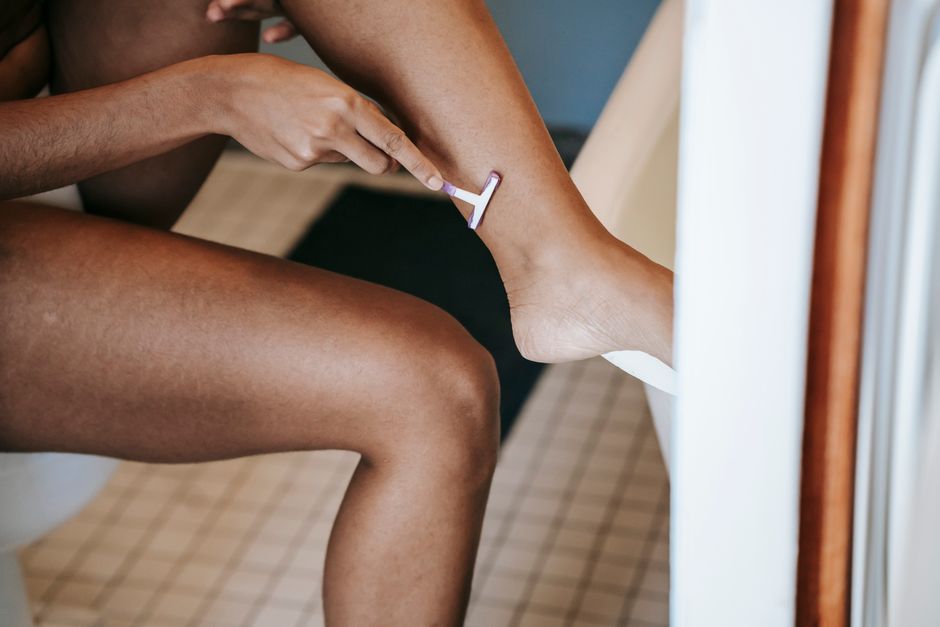
Shaving your pubic area does not need to be painful or complicated. The right approach comes down to preparation, technique, and knowing what tools actually work for sensitive skin. Most irritation and razor burn happen because people skip steps or use products not meant for that area. This guide walks through what the evidence says about reducing risk and getting a clean result without the common problems.
Why Does Pubic Hair Shaving Cause So Much Irritation?
The skin in your pubic area is thinner and more sensitive than skin on your legs or arms. It also has more nerve endings and folds. When you shave this area the razor blade removes hair but also scrapes off a thin layer of skin cells. That alone causes micro-tears.
Research shows that shaving the pubic area leads to some form of skin irritation in about 60% of people who do it regularly. The most common issues are razor burn, ingrown hairs, and folliculitis — which is inflammation of the hair follicles. These are not signs you did something wrong. They are signs the skin is reacting to the trauma of shaving.
Bacteria also play a role. The pubic area stays warm and moist. When you create tiny cuts from shaving bacteria can enter and cause infection. Current research suggests that using a clean sharp blade and proper technique reduces these risks significantly but does not eliminate them completely.
How To Shave Pubic Area: Step-by-Step Preparation
Preparation matters more than the actual shaving. Skipping these steps is the main reason people end up with bumps and burns.
Trim first. If your hair is longer than a quarter inch use scissors or a trimmer with a guard to cut it down. Trying to shave long hair clogs the blade fast and forces you to go over the same spot multiple times. Each pass increases irritation.
Soften the hair and skin. Shave after a warm shower or bath. Warm water softens the hair shaft and opens pores slightly. Spend at least three to five minutes letting the water run over the area. Do not shave dry or with cold water.
Use a shaving cream designed for sensitive skin. Regular body wash or bar soap dries out the skin and does not provide enough glide. Look for a fragrance-free cream or gel labeled for sensitive skin. Ingredients like aloe vera or colloidal oatmeal can help reduce irritation. Avoid products with alcohol, menthol, or strong fragrances.
Exfoliate gently beforehand. A soft washcloth or a gentle sugar scrub can remove dead skin cells that trap hairs. Do this one day before shaving not immediately before. Exfoliating right before shaving increases the chance of razor burn.
What Is the Best Technique for Pubic Shaving?
Technique is where most people make mistakes. The goal is to remove hair in as few passes as possible while keeping the skin flat and stable.
Always shave in the direction of hair growth. This is the most important rule. Shaving against the grain gives a closer shave but dramatically increases the risk of ingrown hairs and razor bumps. Shave with the grain first. If you want a closer result you can carefully go sideways on a second pass. Avoid going against the grain entirely on the bikini line and inner labia area.
Use short light strokes. Long strokes are harder to control and increase the chance of nicks. Pull the skin taut with your free hand. This creates a flat surface and reduces the chance of the razor catching on skin folds. Shave one to two inches at a time and rinse the blade after every stroke.
Do not press down. Let the weight of the razor do the work. Pressing harder does not give a closer shave. It just removes more skin and increases irritation. If you need to press down to get hair off it means the blade is dull.
Rinse with cool water when done. Cool water closes the pores and calms the skin. Pat dry with a clean towel. Do not rub. Rubbing creates friction on already irritated skin.





What Tools and Products Actually Work Best?
Not all razors are the same for pubic shaving. The tool you choose makes a real difference in outcome.
| Tool | Best For | Key Consideration |
|---|---|---|
| Single-blade safety razor | People prone to ingrown hairs | Requires slower technique but causes less irritation |
| Multi-blade cartridge razor | Quick shave with less effort | More blades mean more passes over same skin |
| Electric trimmer with guard | Trimming without full shave | Does not get as close but lowest irritation risk |
| Electric foil shaver | Sensitive skin needing close shave | Expensive but reduces nicks significantly |
Research suggests that single-blade razors cause less irritation than multi-blade razors for pubic hair. This is because multi-blade razors lift the hair and cut it below the skin surface which increases the chance of ingrown hairs. As of 2026 there is no clinical evidence that any specific brand outperforms others for pubic shaving. What matters more is blade sharpness and how often you replace it.
Replace blades frequently. A dull blade pulls hair instead of cutting it. This causes more trauma to the follicle. Change blades after every three to five uses for cartridge razors. Safety razor blades should be replaced after every two to three shaves.
What Should You Do After Shaving?
Post-shave care is not optional. It is the step that determines whether you wake up with smooth skin or red bumps.
Apply a fragrance-free moisturizer. The skin barrier is compromised after shaving. A light moisturizer with ingredients like glycerin or ceramides helps repair it. Avoid heavy oils or petroleum-based products on the pubic area as they can trap bacteria.
Wear loose cotton underwear. Tight synthetic fabrics trap heat and moisture. This creates an environment where bacteria thrive and ingrown hairs form. Cotton allows the skin to breathe. For the next 24 hours avoid tight leggings, workout shorts, or thongs.
Avoid sex, exercise, or hot baths for 12 to 24 hours. Sweat and friction increase the risk of infection and irritation. The skin needs time to close the micro-tears created by shaving. If you must exercise shower immediately after and change into clean dry underwear.
Do not touch or pick at bumps. Razor bumps and ingrown hairs are common. Picking at them introduces bacteria and makes healing slower. If bumps persist for more than a week consider switching to a different hair removal method entirely.
Common Misconceptions About Pubic Shaving
There is a lot of bad advice online about pubic hair removal. Some of it is harmless. Some of it causes real problems.
- Shaving cream is not optional. Some people claim you can shave with conditioner or body wash. These products do not provide enough glide for sensitive skin. Use a proper shaving cream or gel.
- Cold water does not prevent ingrown hairs. Cold water rinsing feels good and reduces redness but does not stop hairs from growing back into the skin. Ingrown hairs are caused by the hair being cut below the skin surface not by water temperature.
- Aloe vera is not a cure-all. Aloe vera soothes irritation but does not prevent infection or ingrown hairs. It is a temporary comfort measure not a treatment.
- Shaving does not make hair grow back thicker or darker. This is a persistent myth. Hair regrows with a blunt tip after shaving which makes it feel coarser. The actual thickness and color of the hair shaft do not change.
Some people report that shaving the pubic area reduces their risk of sexually transmitted infections. This is widely claimed but strong evidence is limited. Current research shows no clear link between pubic hair removal and STI risk. The decision to remove hair should be based on comfort and preference not health claims.
What Are the Signs You Should Stop Shaving and Try Something Else?
Shaving is not the right method for everyone. Some skin types simply react badly no matter how careful you are.
If you get large painful bumps, pus-filled blisters, or scarring after every shave it is time to stop. These are signs of chronic folliculitis or a staph infection. Continuing to shave will make it worse. See a dermatologist if this happens repeatedly.
People with eczema, psoriasis, or active skin infections in the pubic area should not shave. Shaving will spread the condition and delay healing. For those with very sensitive skin or a history of severe ingrown hairs, alternatives like trimming with a guard or using a depilatory cream designed for the bikini area may work better. Some people find that laser hair removal is worth the cost if shaving consistently causes problems.
The evidence is clear that no single method works for everyone. If shaving causes more problems than it solves switching methods is not a failure. It is a smart adjustment based on how your skin actually behaves.
Frequently Asked Questions
How often should I shave my pubic area?
Most people shave every two to seven days depending on how fast their hair grows and how smooth they want the skin to feel.
Can I shave my pubic area during pregnancy?
Yes but the belly may make it harder to see the area and reach it safely. Use a mirror or ask for help to avoid nicks.
Does shaving pubic hair cause infections?
Shaving creates micro-tears that can let bacteria in but proper technique and clean tools reduce this risk significantly.
