
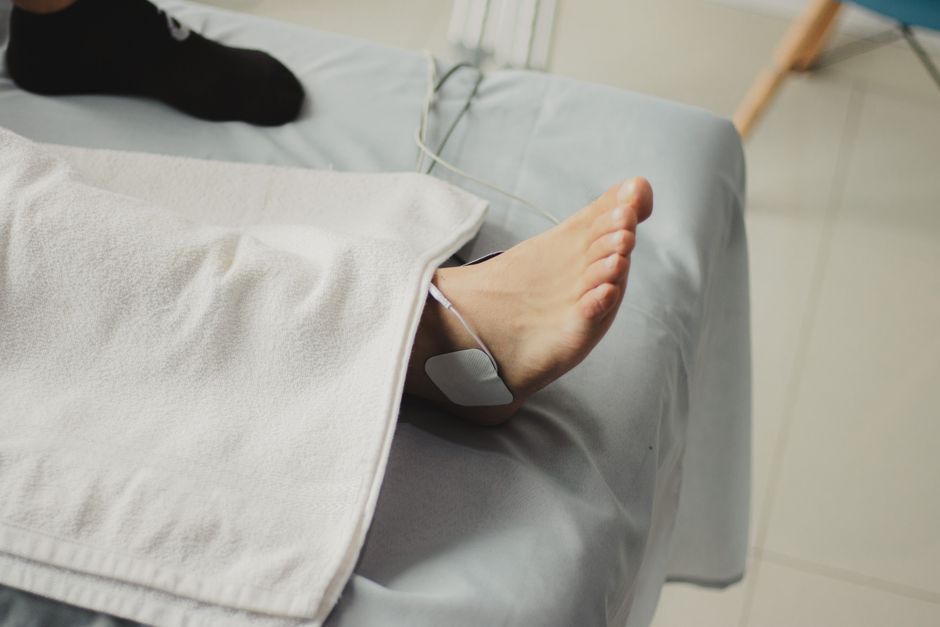
Foot swelling, also called edema, happens when extra fluid builds up in your tissues. This is not a disease itself. It is a symptom that something else is going on in your body. Many things can cause it, from sitting too long to serious health conditions like heart failure or kidney disease. Knowing the cause matters because treatment depends on what is driving the fluid buildup.
What Is Foot Swelling and How Does It Happen?
Your body has a complex system for moving fluid around. Blood circulates through arteries and veins. Lymph fluid drains waste and extra water. When either of these systems slows down or gets blocked, fluid starts to pool. Gravity pulls it downward. That is why your feet and ankles swell first.
The medical term for this is peripheral edema. It affects roughly 4 million people in the United States each year according to the National Institutes of Health. For many people it is temporary and harmless. For others it signals a problem that needs attention.
Your body is mostly water. About 60 percent of your body weight is fluid. That fluid needs to move constantly. When it stops moving properly, you see swelling. The skin may look stretched or shiny. Pressing on the area with a finger can leave a dent that stays for a few seconds. That is called pitting edema.
What Causes Foot Swelling From Lifestyle and Daily Habits?
Many cases of foot swelling come from ordinary things you do every day. Sitting for long periods is one of the most common causes. When your legs stay still, your calf muscles do not pump blood back up toward your heart. Blood pools in your lower legs and feet. This happens on long flights, long car rides, or even sitting at a desk all day.
Eating too much salt is another major cause. Sodium makes your body hold onto water. The American Heart Association recommends no more than 2,300 milligrams of sodium per day. Most Americans eat closer to 3,400 milligrams. That extra salt can cause noticeable swelling in your feet and ankles within hours.
Being overweight puts pressure on your veins. Extra body weight makes it harder for blood to travel back from your legs to your heart. This increases fluid buildup over time. Pregnancy also causes foot swelling. The growing uterus presses on blood vessels in the pelvis. Hormonal changes also make you retain more water.
Standing for long hours at work can cause swelling too. Teachers, retail workers, and restaurant staff often notice this. The same fluid pooling that happens from sitting also happens from standing still. Walking helps. Standing still does not.
What Medical Conditions Cause Foot Swelling?
Several health conditions can cause foot swelling. Some are serious and need medical treatment.
Heart failure is one of the most concerning causes. When your heart cannot pump blood effectively, blood backs up in your veins. Fluid leaks out into surrounding tissues. This swelling often affects both feet equally. It may get worse as the day goes on. The American College of Cardiology reports that peripheral edema is one of the earliest signs of heart failure.
Kidney disease also causes swelling. Your kidneys filter waste and extra fluid from your blood. When they do not work well, sodium and fluid build up in your body. This often causes swelling around the eyes first, then in the legs and feet.
Liver disease can lead to foot swelling. The liver makes a protein called albumin that keeps fluid inside blood vessels. When the liver is damaged, albumin levels drop. Fluid leaks out into tissues. This is common in cirrhosis patients.
Venous insufficiency is another cause. This happens when the valves in your leg veins stop working properly. Blood flows backward instead of upward toward your heart. Blood pools in your lower legs. This condition affects about 30 percent of adults over age 50 according to research in the Journal of Vascular Surgery.
Lymphedema is a different type of swelling. It happens when lymph vessels are damaged or blocked. This can occur after cancer treatment, especially if lymph nodes were removed. The swelling is usually in one limb rather than both.
Blood clots in the leg, called deep vein thrombosis, cause sudden swelling in one foot or ankle. This is a medical emergency. The affected leg may feel warm and look red or purple. You need immediate medical attention if this happens.




What Medications Can Cause Foot Swelling?
Some medications list foot swelling as a side effect. This does not mean the drug is bad. It means you need to know what to watch for.
Blood pressure medications called calcium channel blockers often cause swelling. Drugs like amlodipine and nifedipine relax blood vessels. That helps lower blood pressure but also lets fluid leak into tissues. This happens in about 10 to 20 percent of people taking these drugs according to the American Heart Association.
Steroids including prednisone cause fluid retention. They make your kidneys hold onto sodium and water. The swelling usually goes away after you stop taking the medication.
Nonsteroidal anti-inflammatory drugs like ibuprofen and naproxen can cause swelling in some people. These drugs affect kidney function and can make your body retain fluid.
Hormone medications including birth control pills and hormone replacement therapy may cause foot swelling. Estrogen can increase fluid retention.
Diabetes medications called thiazolidinediones, such as pioglitazone, can cause swelling. This is more common when they are combined with insulin.
If you notice swelling after starting a new medication, talk to your doctor. Do not stop taking the drug on your own. The swelling may be manageable with a lower dose or a different drug.
How Do Doctors Diagnose the Cause of Foot Swelling?
Doctors start with simple questions and a physical exam. They look at both feet to see if the swelling is in one or both. One-sided swelling is more concerning for a blood clot or injury. Both sides swelling more likely points to a systemic issue like heart or kidney disease.
They check for pitting edema by pressing on the swollen area. The depth of the dent helps them estimate how much fluid is present. They also check your legs for varicose veins, skin changes, and warmth.
Blood tests are common. A basic metabolic panel checks kidney function. A liver panel checks liver function. A BNP test can help diagnose heart failure. Urine tests look for protein that might indicate kidney damage.
An ultrasound of the legs can check for blood clots or venous insufficiency. This test is painless and takes about 30 minutes. If heart failure is suspected, an echocardiogram looks at how well your heart pumps.
The table below shows common tests and what they look for:
| Test | What It Checks |
|——|—————-|
| Basic metabolic panel | Kidney function, sodium levels |
| Liver function tests | Liver damage, albumin levels |
| BNP test | Heart failure |
| Urinalysis | Kidney damage |
| Leg ultrasound | Blood clots, vein function |
| Echocardiogram | Heart pumping function |
What Actually Helps Reduce Foot Swelling?
Treatment depends entirely on the cause. There is no one fix that works for everyone. But some general approaches help in many cases.
Elevation is the simplest thing to try. Lying down with your feet above heart level for 20 minutes several times a day helps gravity drain fluid back into your circulation. It works best if you do it early in the day before swelling gets bad.
Compression stockings help by squeezing your legs and pushing fluid upward. They come in different pressure levels. Over-the-counter stockings work for mild swelling. Prescription stockings provide stronger compression. A 2020 review in the Cochrane Database found that compression stockings reduce edema in people with venous insufficiency.
Movement helps your calf muscles pump blood upward. Walking, ankle pumps, and leg stretches all help. If you sit at a desk, get up every hour and walk for a few minutes.
Reducing salt can make a real difference. The American Heart Association recommends staying under 2,300 milligrams of sodium daily. For people with heart or kidney disease, the limit is often lower. Cutting out processed foods and restaurant meals is the fastest way to lower sodium intake.
Losing weight reduces pressure on your veins. Even modest weight loss of 5 to 10 percent of body weight can improve symptoms.
Medications like diuretics, also called water pills, help your kidneys remove excess fluid. These are prescribed for heart failure, kidney disease, and liver disease. They are not safe to take on your own. Diuretics can cause dehydration and electrolyte imbalances.
Common Misconceptions About Foot Swelling
Some things people believe about foot swelling are not backed by evidence.
Drinking more water does not flush out swelling. This is widely claimed online but the body does not work that way. If your kidneys are healthy, drinking more water helps them work. But if your kidneys or heart are failing, extra water makes swelling worse. The idea that drinking water cures edema is not supported by clinical evidence.
Soaking feet in hot water does not help. Heat can actually increase blood flow to the area and make swelling worse. Cold water or cool compresses may help by constricting blood vessels.
Not all swelling needs diuretics. Many people ask their doctor for water pills when their feet swell. But diuretics only help if the cause is fluid retention from heart, kidney, or liver disease. They do not help swelling from venous insufficiency, lymphedema, or medication side effects. Taking them when you do not need them can be dangerous.
Foot swelling is not always from too much salt. While salt is a common cause, many other factors matter. Hormones, medications, inactivity, and chronic diseases all play a role. Blaming salt alone can mean missing the real cause.
When Should You See a Doctor for Foot Swelling?
Some swelling is normal and temporary. But certain signs mean you need medical attention.
See a doctor right away if the swelling comes on suddenly in one leg. This could be a blood clot. Also seek care if the swelling is accompanied by chest pain, shortness of breath, or trouble breathing. These can be signs of heart failure or a blood clot in your lungs.
See a doctor if the swelling does not go away after a few days of home treatment. Also see a doctor if the skin over the swelling looks red, feels warm, or breaks open. These can be signs of infection or advanced venous disease.
People with known heart, kidney, or liver disease should report any new swelling to their doctor. It may mean their condition is getting worse.
Pregnant women should tell their doctor about sudden or severe swelling, especially if it comes with headaches or vision changes. This can be a sign of preeclampsia, a serious pregnancy complication.
Frequently Asked Questions
Does drinking more water help foot swelling?
No, drinking more water does not flush out swelling. For people with healthy kidneys it does not help edema. For people with heart or kidney failure it can make swelling worse.
Can foot swelling be a sign of heart problems?
Yes, foot swelling can be an early sign of heart failure. When the heart cannot pump blood effectively, fluid backs up in the legs and feet. This often affects both feet equally.
How long does foot swelling last after a long flight?
Foot swelling from a long flight usually goes away within a few hours after you start walking again. If it lasts more than a day or only affects one leg, see a doctor to rule out a blood clot.
What is the fastest way to reduce foot swelling at home?
Elevating your feet above heart level for 20 minutes is the fastest home remedy. Walking and ankle pumps also help by activating your calf muscles to pump fluid upward.
