
An ingrown toenail happens when the edge of the nail grows into the skin beside it. This causes pain, redness, and swelling. For most people, home care works well if the area is not infected. Soak the foot in warm water, lift the nail edge gently, and keep the area clean and dry. If you see pus, or if you have diabetes or poor circulation, see a doctor instead of treating it yourself.
What causes an ingrown toenail?
Ingrown toenails most often affect the big toe. The most common cause is cutting toenails too short or rounding the corners. When you cut the nail down to the edge of the toe, the skin can grow over the nail tip. Then the nail continues to grow into that skin.
Tight shoes and socks also play a role. They press the skin against the nail edge. This pressure pushes the skin into the nail, not the other way around. Repeated pressure from running, kicking, or standing for long hours can make it worse.
Some people inherit a natural curve in their toenails. This is not something you caused. If a parent had ingrown toenails, you are more likely to get them too. Injuries like stubbing your toe or dropping something on it can also trigger the problem.
What To Do With An Ingrown Toenail Treatment Tips for home care
Start with warm water soaks. Soak the affected foot in warm, soapy water for 15 to 20 minutes, two to three times a day. This softens the skin and the nail. It also reduces swelling and makes the next steps easier.
After soaking, dry the foot completely. Then try to lift the nail edge. Use a clean cotton ball or dental floss to gently place a small piece of cotton under the corner of the nail. This helps the nail grow above the skin instead of into it. Change the cotton daily.
Keep the area clean and dry between soaks. Moisture makes the skin soft and invites bacteria to grow. Wearing open-toed shoes or sandals for a few days reduces pressure on the toe. If that is not possible, choose shoes with a wide toe box.
Over-the-counter pain relievers like ibuprofen or acetaminophen can reduce discomfort. Follow the dosing instructions on the label. Do not use antibiotic ointments unless a doctor recommends them. They do not treat an ingrown nail itself, only possible surface bacteria.
When home treatment stops working
Home care usually works if you start within a few days of symptoms. But it has limits. If the toe stays swollen and painful after three to five days of soaking, the nail may be too deep for cotton to help.
Do not dig at the nail with sharp tools. Do not cut a notch in the middle of the nail. These old folk remedies do not work and often make things worse. Digging can break the skin and introduce bacteria. Cutting a notch does not change the direction of nail growth.
If you cannot lift the nail edge with cotton, stop trying. Repeated attempts will irritate the skin further. At this point, a doctor can provide more effective treatment.



Medical treatments for ingrown toenails
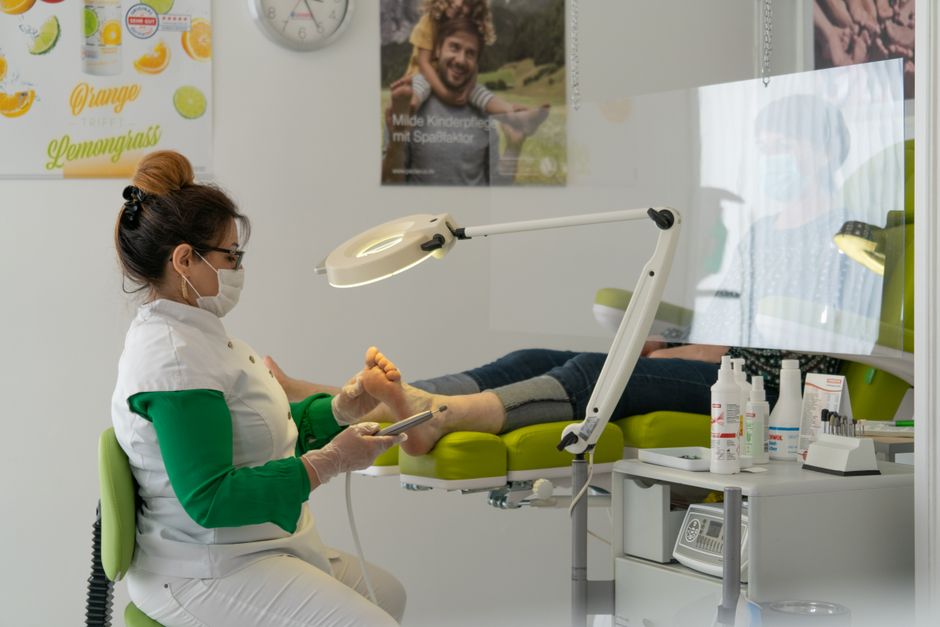
A doctor can remove the ingrown portion of the nail. This is a simple office procedure. The doctor numbs the toe with a local anesthetic, then cuts away the nail edge that is digging into the skin. Pain during the procedure is minimal, though the numbness wears off after a few hours.
For recurring problems, doctors may use a chemical called phenol. After removing the nail edge, the doctor applies phenol to the nail matrix, the area where the nail grows. This prevents that section of nail from growing back. It is a permanent solution for that specific spot.
Some doctors recommend a procedure called partial nail avulsion. This removes the side of the nail and leaves the rest in place. Recovery takes about a week. The toe may be sore for a few days, but most people return to normal shoes within two weeks.
Antibiotics are only needed if there is an active infection. Signs of infection include pus, warmth spreading beyond the toe, or red streaks on the foot. Oral antibiotics treat the infection, but they do not fix the nail problem. The nail must still be addressed separately.
Who should not try home treatment
People with diabetes should not treat ingrown toenails at home. Diabetes reduces blood flow to the feet and delays healing. What looks like a minor issue can become a serious ulcer quickly. See a podiatrist or your primary care doctor at the first sign of an ingrown nail.
The same applies to anyone with peripheral artery disease. This condition narrows blood vessels in the legs and feet. Poor circulation means infections spread faster and heal slower. Home treatment is not worth the risk.
People with a weakened immune system should also see a doctor. This includes those on chemotherapy, organ transplant recipients, and people taking immunosuppressive medications. Their bodies cannot fight off a nail infection as effectively.
If you have none of these conditions but the toe becomes more painful instead of less, see a doctor. Pain that worsens after three days of care is a sign the problem is not resolving on its own.
Preventing ingrown toenails from coming back
Cut toenails straight across. Do not curve the corners to match the shape of your toe. The nail edge should extend slightly past the skin at the corners. This prevents the skin from growing over the nail.
Keep nails at a moderate length. Very short nails are the leading cause of ingrown toenails. Aim for the nail tip to be level with the end of the toe. If you can see the skin under the nail edge, the nail is too short.
Wear shoes that fit properly. There should be about a half-inch of space between your longest toe and the front of the shoe. Avoid pointed shoes that squeeze the toes together. If your toes feel cramped after wearing shoes all day, they are too tight.
Check your feet regularly. This is especially important for older adults who may not feel early pain. Look for redness, swelling, or skin growing over the nail edge. Catching a problem early makes treatment much simpler.
Common myths about ingrown toenails
One common myth is that soaking in vinegar prevents ingrown nails. Vinegar has mild antibacterial properties, but it does not change how the nail grows. It also does not soften the nail enough to make a difference. Warm water works just as well.
Another myth is that you should cut a V-shape in the top of the nail. This does not redirect growth. The nail grows from the base, not the tip. Cutting the top has no effect on the sides.
Some people believe ingrown toenails are caused by poor hygiene. This is not true. In fact, over-washing or moisture from sweaty socks can make the skin softer and more prone to the nail cutting into it. Cleanliness is good, but it does not prevent this condition.
There is also a belief that ingrown nails always require surgery. Most cases resolve with home care. Only recurring or severely infected cases need a procedure. Try home treatment first unless you fall into a high-risk group.
When to see a doctor immediately
Some symptoms require urgent medical attention. Red streaks running up the foot or leg are a sign of spreading infection. This is a medical emergency. Do not wait to see if it improves.
Fever with an ingrown toenail is also concerning. A fever means the infection may have entered the bloodstream. Go to urgent care or the emergency room.
If you have diabetes and notice any break in the skin near the nail, see a doctor the same day. Do not wait for pain or visible infection. Nerve damage from diabetes can mask pain, so the problem may be worse than it feels.
Finally, if the toe becomes numb, pale, or cold, seek care right away. This can indicate a circulation problem that needs immediate attention.
Frequently Asked Questions
How long does an ingrown toenail take to heal with home treatment?
With daily soaking and proper care, mild cases usually improve within three to five days. Full healing of the skin takes one to two weeks.
Can I pull out an ingrown toenail myself?
No. Pulling or tearing the nail damages the surrounding skin and increases infection risk. See a doctor for safe removal.
Does soaking in Epsom salt help ingrown toenails?
Epsom salt in warm water helps reduce swelling and softens the skin, but plain warm water works just as well. The salt does not treat the nail itself.
Will an ingrown toenail go away on its own?
Some mild cases resolve without treatment if pressure is removed from the toe. Most cases need at least regular soaking to guide the nail away from the skin.
