
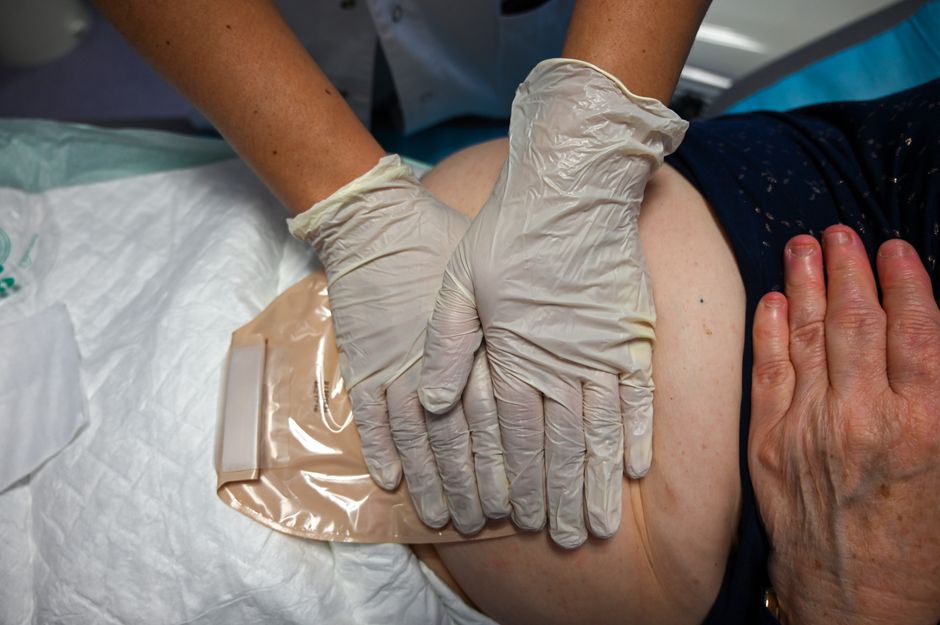
A colonoscopy is one of the most effective tools for catching colon cancer early, and the bowel prep that comes with it is temporary. Your gut usually settles back into its normal rhythm within a few days. The fastest way to help it along is to eat gently, drink plenty of fluids, and give your digestive system a little time before you return to your usual diet.
That said, “a few days” is not a promise. Some people bounce back in 24 hours. Others feel off for a week or more. How you feel depends on the prep you used, whether polyps were removed, and how your gut was behaving before the procedure.
What Happens To Your Gut During A Colonoscopy?
The prep is the hard part. To see the colon lining clearly, your doctor needs the colon empty, so you spend the day before the procedure drinking a laxative solution and staying close to a bathroom. That solution flushes out most of the stool and, along with it, a large share of the bacteria that normally live in your colon.
Your gut microbiome is a community of trillions of bacteria, plus fungi and viruses, that help digest food, make some vitamins, and interact with your immune system. A bowel prep does not wipe it out, but it does disturb it. Research has found that the bacterial mix shifts after a colonoscopy prep and tends to drift back toward its usual state over the following weeks. The exact timing varies from person to person.
The procedure itself is usually quick. A thin, flexible tube with a camera is passed through the rectum and into the colon. Most people receive sedation. During the exam, the doctor may remove polyps or take small tissue samples. Those steps leave tiny areas on the colon wall that need to heal.
So there are really two things going on at once: a gut microbiome that has been flushed and needs to rebalance, and a colon lining that may have small healing spots if anything was removed.
Why Does Your Stomach Feel Off After A Colonoscopy?
Bloating and gas are the most common complaints, and they are almost always from the air or carbon dioxide used to inflate the colon so the doctor can see. Trapped gas causes pressure, cramping, and a full feeling. It usually passes within hours, though some people feel it into the next day.
Loose stools or diarrhea in the first day or two are also normal. Your colon is still clearing out prep solution and has not yet reabsorbed water the way it normally does. On the other end, some people get constipated instead, especially if they took certain pain medications or if the prep slowed things down.
If polyps were removed or biopsies were taken, you may notice a small amount of blood. A little spotting is common. Ongoing or heavy bleeding is not, and it needs medical attention.
Sedation can also leave you groggy, slightly nauseated, or without much appetite for the rest of the day. That part fades as the medication wears off.
What Should You Eat And Drink After A Colonoscopy?
Start slow. Your gut has been through a lot, and a heavy meal right away tends to make cramping and gas worse. Most clinics suggest beginning with clear liquids and light foods, then adding more as you feel ready.
Good early choices include:
- Water, clear broth, and electrolyte drinks
- Plain crackers, toast, or white rice
- Bananas and applesauce
- Plain yogurt or kefir, if dairy sits well with you
- Cooked, soft vegetables like carrots or squash
- Eggs, plain chicken, or soft fish
Foods that tend to cause trouble in the first day or two include fried or greasy meals, very spicy dishes, heavy cream sauces, and large amounts of raw vegetables, beans, or whole grains. These are not dangerous. They are just harder to digest when your gut is still settling.
Fiber is a little counterintuitive here. Long term, fiber feeds good gut bacteria. In the first day or two after a colonoscopy, a sudden large load of fiber can add gas and bloating. Adding it back gradually over several days tends to work better than a big bowl of beans on day one.
If you had polyps removed, your doctor may give you specific diet instructions, often a low-fiber diet for a short period. Follow those instructions over any general advice, including what is on this page.

How Long Does It Take For Gut Health To Return?
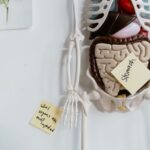
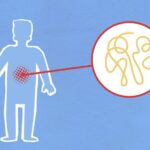
For most people, the bloating and loose stools ease within a day or two. Appetite and normal bowel habits usually return within a few days. The microbiome takes longer. Some research suggests the bacterial community can take several weeks to return to its pre-procedure state, and the exact timeline differs from person to person.
Antibiotics are a useful comparison. A course of antibiotics can disrupt gut bacteria for weeks to months, and a bowel prep is a milder version of that kind of disturbance. The good news is that a healthy gut microbiome is resilient. It tends to recover on its own when you feed it well and give it time.
If you were already dealing with gut issues before the colonoscopy, like irritable bowel syndrome or frequent bloating, do not expect the procedure to fix them. A colonoscopy is a screening and diagnostic tool. It is not a treatment for most digestive conditions.
Do Probiotics Help After A Colonoscopy?
The evidence here is limited. Some studies suggest probiotics may ease bloating and help restore bowel regularity after a bowel prep, but results vary and the studies are not large or consistent enough to make a firm recommendation.
If you want to try a probiotic, the general approach is to wait until your gut has settled, then add one slowly. Some people notice a difference. Others do not. There is no strong evidence that a specific strain or dose is best for this situation, so any product claiming to be “the one” for post-colonoscopy recovery is going beyond what the science shows.
Fermented foods are a gentler option for many people. Yogurt with live cultures, kefir, sauerkraut, and kimchi all contain live bacteria. They are foods, not treatments, and they are not proven to speed recovery after a colonoscopy specifically. But they are a reasonable part of a diet that supports gut bacteria over time.
One caution: if you are immunocompromised, talk to your doctor before starting probiotics. In rare cases, live bacteria from supplements have caused infections in people with weakened immune systems.
What Helps Your Gut Recover Faster?
Hydration matters more than anything else in the first 24 hours. The prep pulls a lot of fluid out of your body, and replacing it helps your colon get back to absorbing water normally. Plain water is fine. If you feel lightheaded or weak, an electrolyte drink can help.
Move gently. A short walk can help move trapped gas and ease bloating. Save the intense workout for when you feel normal again.
Eat small meals more often instead of three large ones. Your gut handles a little at a time better than a lot at once when it is recovering.
Go easy on alcohol and caffeine for a day or two. Both can irritate a colon that is still settling and can make dehydration worse.
Sleep. Recovery, including the healing of any small spots where polyps were removed, happens largely while you rest.
When Should You Call Your Doctor?
Most recovery is uneventful. Certain symptoms are not normal and need a call right away.
- Heavy bleeding from the rectum, or bleeding that does not stop
- Severe or worsening abdominal pain, especially pain that is sharp or one-sided
- Fever, chills, or feeling very unwell
- Vomiting that will not stop
- A hard, swollen, or tender belly
- No bowel movement for several days, especially with pain or vomiting
These can be signs of a complication, such as bleeding or a tear in the colon wall. Serious complications from colonoscopy are uncommon, but they do happen, and they are more likely when polyps are removed. Do not wait to see if things improve on their own if any of these show up.
How Do You Support Your Gut Long Term?
Once you are back to normal, the habits that support a healthy gut are the same ones that support your health in general. A varied diet with plenty of plant foods feeds a diverse microbiome. Regular movement, enough sleep, and limited alcohol all help too.
Fiber deserves a specific mention. Most adults in the US do not get enough. Aiming for a range of fiber sources, like beans, whole grains, fruits, and vegetables, supports the bacteria that produce beneficial compounds in the colon. If your fiber intake has been low, increase it slowly over a few weeks to avoid bloating.
And keep up with your screening schedule. A colonoscopy is not a one-time event. How often you need one depends on your results, your age, and your risk factors. Your doctor will tell you when to come back.
Frequently Asked Questions
How long does it take for your gut to recover after a colonoscopy?
Most people feel back to normal within a few days, though bloating and loose stools usually ease within a day or two. The gut microbiome may take several weeks to fully return to its pre-procedure state.
What should I eat the day after a colonoscopy?
Start with light, easy-to-digest foods like toast, rice, bananas, eggs, and cooked vegetables, and drink plenty of fluids. Avoid fried, greasy, or very spicy foods for a day or two.
Do probiotics help restore gut health after a colonoscopy?
The evidence is limited, and no specific strain or dose is proven to speed recovery. Some people find them helpful, so they are reasonable to try once your gut has settled.
Is it normal to have diarrhea after a colonoscopy?
Yes, loose stools for a day or two are common as your colon clears the prep and reabsorbs water normally. Diarrhea that lasts more than a few days, or comes with fever or severe pain, should be checked by a doctor.
