
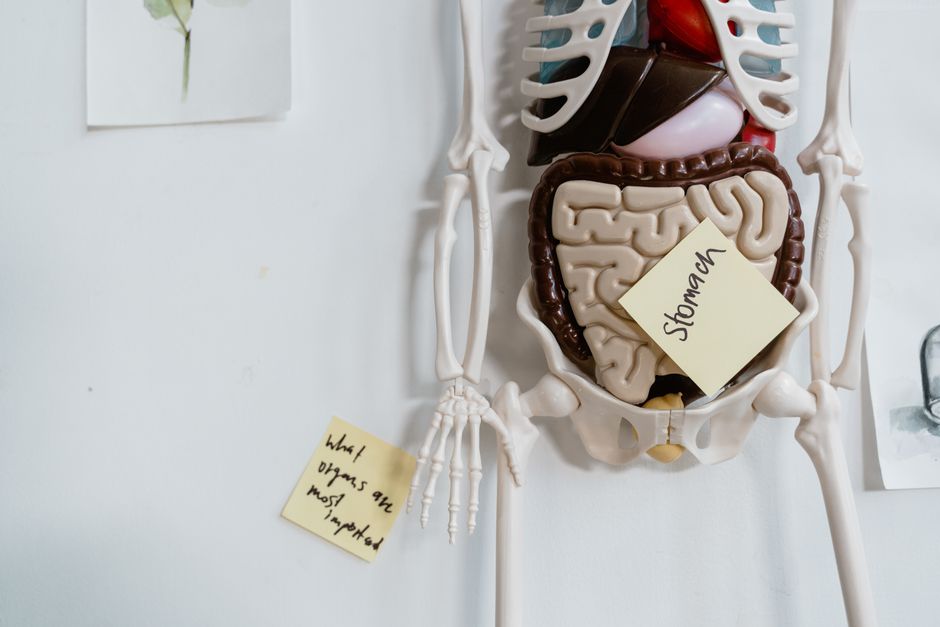
The human gut is a long, muscular tube that runs from your stomach to your anus. It is roughly 25 to 30 feet long when stretched out, and it does far more than just move food. The gut breaks down what you eat, absorbs nutrients into your bloodstream, and houses trillions of bacteria that influence your health. It also runs on its own nervous system, often called the “second brain,” which talks directly to your actual brain. Understanding how this system is built and how it works helps you make better daily choices.
How The Human Gut Works Structure Function And Health
The gut is divided into two main parts: the small intestine and the large intestine. The small intestine is where most digestion and nutrient absorption happen. It is about 20 feet long and lined with tiny finger-like projections called villi. These villi increase the surface area of the gut by hundreds of times, which allows your body to pull in sugars, fats, proteins, vitamins, and minerals from the food you eat.
The large intestine, or colon, is about 5 feet long. Its main job is to absorb water and electrolytes from the leftover material. It also ferments undigested fiber, which feeds the bacteria living there. The colon forms and stores stool until it is ready to leave the body. The entire tract is lined with a single layer of cells that acts as a barrier. This barrier keeps harmful substances out of your bloodstream while letting nutrients in.
What Are the Main Parts of the Gut and What Does Each One Do?
Each section of the gut has a specific job, and they work in sequence. Food does not just fall through the system; it is pushed along by waves of muscle contractions called peristalsis. These contractions are involuntary, meaning you do not control them.
- Stomach: Holds food and mixes it with acid and enzymes. This starts breaking down proteins and kills many harmful bacteria.
- Small intestine: The site of nearly all nutrient absorption. It receives bile from the liver and enzymes from the pancreas to finish digestion.
- Large intestine: Absorbs water and salt. It also hosts the largest community of gut bacteria in your body.
- Rectum and anus: Store stool and control elimination.
The gut also has its own immune tissue, called gut-associated lymphoid tissue. This tissue contains about 70 percent of your body’s immune cells. It constantly samples what is in your intestine and decides what to tolerate and what to attack. This is why gut health is so closely tied to immune function.
How Does the Gut Break Down Food and Absorb Nutrients?
Digestion begins in your mouth with chewing and saliva, but the real work happens in the small intestine. When food leaves the stomach, it is a liquid mixture called chyme. The pancreas releases enzymes that break down carbohydrates, proteins, and fats. The liver sends bile to emulsify fat, which means it breaks large fat droplets into smaller ones so enzymes can work on them.
The villi and microvilli in the small intestine absorb these broken-down nutrients. Sugars and amino acids go directly into the bloodstream. Fats are packaged into particles called chylomicrons and enter the lymphatic system before reaching your blood. Water and minerals are absorbed mainly in the large intestine. If the small intestine is damaged, as in celiac disease, nutrient absorption drops sharply and deficiencies follow.




What Is the Gut Microbiome and Why Does It Matter?
The gut microbiome is the collection of bacteria, viruses, fungi, and other microbes living in your digestive tract. Most of them live in the large intestine. You have roughly as many bacterial cells in your gut as you have human cells in your body. These bacteria are not passive passengers. They ferment fiber into short-chain fatty acids like butyrate, which feeds the cells lining your colon and reduces inflammation.
The composition of your microbiome is shaped by diet, antibiotics, stress, and how you were born. A diet rich in plant foods supports more diverse bacteria. A diet high in processed foods and low in fiber tends to reduce diversity. Low diversity is not a disease by itself, but research consistently links it to poorer metabolic and immune health. Some studies suggest that a diverse microbiome is a marker of a healthy gut, though scientists are still working out cause and effect.
How Does the Gut Connect to the Brain?
The gut and brain are physically connected by the vagus nerve, a long nerve that runs from the brainstem to the abdomen. The gut also has its own nervous system, the enteric nervous system, which has about 100 million neurons. This network can control gut movements and secretions without input from the brain. That is why it is called the second brain.
Communication between the gut and brain goes both ways. Stress and anxiety can slow or speed up digestion, which is why you may feel nauseous or have diarrhea before a stressful event. The gut also produces neurotransmitters, including serotonin. In fact, most of your body’s serotonin is made in the gut, not the brain. This serotonin regulates gut movement and plays a role in mood, but it does not cross the blood-brain barrier. The exact relationship between gut bacteria and mental health is still being studied. Some evidence suggests that improving gut health may help mood, but no large human trials have confirmed that changing your microbiome treats depression or anxiety.
What Are the Signs of an Unhealthy Gut?
An unhealthy gut does not have a single definition, and there is no perfect test for it. Symptoms that point to gut problems include persistent bloating, gas, abdominal pain, constipation, diarrhea, or a mix of both. These symptoms can come from conditions like irritable bowel syndrome, food intolerances, or infections. They can also come from serious diseases like inflammatory bowel disease, which includes Crohn’s disease and ulcerative colitis.
If you have blood in your stool, unintentional weight loss, or severe pain, see a doctor. These are red flags that need medical evaluation. Many over-the-counter tests claim to analyze your microbiome and tell you if your gut is healthy. The science behind these tests is not strong enough to guide treatment. No clinical guidelines currently exist for using at-home microbiome tests to diagnose or treat any condition. They may be interesting, but they are not medical tools.
How Can You Support Gut Health With Diet and Lifestyle?
The strongest evidence for gut health points to diet. Eating a variety of plant foods supports a more diverse microbiome. Fiber is the main fuel for gut bacteria. Whole grains, legumes, vegetables, fruits, and nuts are all good sources. Fermented foods like yogurt, kefir, sauerkraut, and kimchi introduce live bacteria. Some research suggests they can temporarily increase microbial diversity, but the effects vary from person to person.
Regular physical activity is associated with a healthier gut microbiome. Sleep also matters. Poor sleep is linked to changes in gut bacteria, though the direction of that relationship is not fully clear. Antibiotics are necessary for many infections, but they also kill beneficial bacteria. Only take them when prescribed, and do not pressure your doctor for antibiotics for viral infections. They will not help a cold or flu.
Probiotic supplements are widely marketed for gut health. The evidence for them is mixed. Some strains help with specific conditions like antibiotic-associated diarrhea, but no single probiotic works for everyone. If you choose to take one, look for products that list the specific strain and dose. Keep in mind that supplements are not regulated the same way drugs are, and they are not a replacement for a fiber-rich diet.
Are Gut Health Tests and Cleanses Worth It?
Gut cleanses and detox tea are popular on social media. There is no clinical evidence that they improve gut health. Your body already has a system for removing waste, and the colon does not need to be flushed. Colon cleanses can cause dehydration, electrolyte imbalances, and even bowel perforation in rare cases. They are not recommended by medical organizations.
At-home stool tests that claim to assess your microbiome can tell you which bacteria are present, but no one knows what the “perfect” microbiome looks like. Variation between healthy people is enormous. A test result that says you lack a certain bacterium does not mean you need to do anything about it. If you have persistent digestive symptoms, the right step is to see a doctor who can run validated tests for specific conditions like celiac disease, inflammatory bowel disease, or infections.
Frequently Asked Questions
How long does food take to travel through the gut?
Food typically takes 24 to 72 hours to move through the entire digestive tract. The time varies based on what you ate, your activity level, and your individual digestive speed.
Can you live without a large intestine?
Yes, you can live without a large intestine, but you will have more frequent and watery stools. The small intestine can absorb some water, but the colon is the main site for water reabsorption.
Does drinking more water improve gut health?
Water is essential for digestion and helps prevent constipation by softening stool. Drinking enough water supports normal bowel movements, but it does not directly change your gut bacteria.
