

Gut health is about how well your digestive system works and how balanced the community of microbes inside it is. A healthy gut breaks down food properly, absorbs nutrients, and keeps the lining of your intestines strong. The most reliable ways to promote gut health are eating a varied diet rich in fiber, staying hydrated, managing stress, and getting enough sleep. These habits support the trillions of bacteria in your colon that influence digestion, immunity, and even mood.
What Does a Healthy Gut Actually Look Like?
A healthy gut is not one specific thing. It is a combination of normal digestion, a strong intestinal barrier, and a diverse community of microorganisms.
Diversity matters most. A gut with many different types of bacteria is generally more resilient than one dominated by a few species. Research consistently shows that people who eat a wide range of plant foods have more diverse gut bacteria.
Regular bowel movements are another sign. What is “regular” varies from person to person. Some people go three times a day. Others go three times a week. Both can be normal. The key is consistency and the absence of persistent pain, bleeding, or extreme urgency.
The intestinal lining also plays a role. It acts as a barrier that lets nutrients pass into your bloodstream while keeping harmful substances out. When this barrier weakens, a condition often called “leaky gut,” it can allow partially digested food and bacteria to enter the blood. This is linked to inflammation, but the exact role it plays in disease is still being studied.
What Promotes Gut Health in Your Daily Diet?
Fiber is the single most important nutrient for your gut. Your body cannot digest most fiber, so it travels to your colon intact. There, gut bacteria ferment it and produce short-chain fatty acids like butyrate. These fatty acids feed the cells lining your colon and help maintain a healthy barrier.
Adults should aim for about 25 to 38 grams of fiber per day, depending on age and sex. Most Americans get less than half that amount. Good sources include beans, lentils, oats, berries, apples, broccoli, and whole grains.
Prebiotics are a specific type of fiber that feeds beneficial bacteria. They are found in garlic, onions, leeks, asparagus, bananas, and Jerusalem artichokes. These foods do not contain live bacteria themselves. They simply provide fuel for the bacteria already living in your gut.
Probiotics are live microorganisms that can add to your gut community. They are found in fermented foods like yogurt with live cultures, kefir, sauerkraut, kimchi, and kombucha. Some studies suggest these foods can increase microbial diversity and improve digestion. The evidence is strongest for yogurt and kefir.
Polyphenols are plant compounds that also feed gut bacteria. They are found in colorful fruits, vegetables, tea, coffee, dark chocolate, and red wine. They act similarly to prebiotics and may support a healthier microbial balance.
How Do Fermented Foods Affect Your Gut Bacteria?
Fermented foods contain live microorganisms. When you eat them, some of those organisms survive stomach acid and reach your colon. They do not permanently colonize the gut, but they can temporarily increase microbial diversity and stimulate beneficial activity.
A well-known study from Stanford University compared a high-fiber diet to a high-fermented-food diet over ten weeks. The fermented food group showed increased microbial diversity and lower markers of inflammation. The high-fiber group did not show the same diversity increase, though fiber remains essential for other reasons.
Not all fermented foods are equal. Many commercial products are pasteurized after fermentation, which kills the live bacteria. Check labels for “live and active cultures” if you want the probiotic benefit. Sauerkraut and kimchi should be refrigerated and unpasteurized to retain live cultures.
If you are new to fermented foods, start slowly. A sudden increase can cause gas and bloating. Begin with a few tablespoons of yogurt or kefir daily and build up gradually.



What Lifestyle Habits Support a Healthy Gut?
Diet is only part of the picture. Sleep, stress, and physical activity all influence your gut bacteria.
Sleep deprivation changes the gut microbiome. Studies have found that even short-term sleep restriction alters bacterial composition and increases inflammation. Most adults need seven to nine hours of sleep per night. Consistent sleep schedules matter more than catching up on weekends.
Stress also affects the gut directly. The brain and gut communicate through the vagus nerve, a two-way connection often called the gut-brain axis. Stress can change gut motility, increase intestinal permeability, and alter the balance of bacteria. Chronic stress is harder on the gut than occasional acute stress.
Exercise promotes microbial diversity. Research suggests that physically active people have a wider range of gut bacteria than sedentary people. Aerobic exercise like walking, running, or cycling appears to have the strongest effect. Even moderate activity like brisk walking for 30 minutes most days can help.
Antibiotics are necessary but disruptive. They kill harmful bacteria along with beneficial ones. After a course of antibiotics, your gut microbiome can take weeks or months to recover. Eating fermented foods and high-fiber foods during and after antibiotic treatment may support recovery, though the evidence is still developing.
Are Probiotic Supplements Worth Taking?
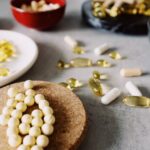
Probiotic supplements are widely marketed, but the evidence for them is more limited than the marketing suggests. No single probiotic strain works for every person or every condition.
Some clinical evidence supports specific strains for specific uses. For example, certain Lactobacillus and Saccharomyces strains can help prevent antibiotic-associated diarrhea. Others may reduce symptoms of irritable bowel syndrome. But these effects are strain-specific, not general.
If you are healthy and eat a varied diet, probiotic supplements are unlikely to provide much additional benefit. Your gut already contains trillions of bacteria. Adding a few billion from a supplement is a drop in the ocean compared to what your diet can do.
Supplements may be worth considering after antibiotics or for specific digestive complaints. If you choose to take one, look for a product that lists the specific strains and colony-forming units on the label. A quality product contains at least one billion CFU per serving and is stored according to the manufacturer’s instructions.
No clinical guidelines currently recommend routine probiotic supplementation for the general public. The evidence does not support the idea that everyone needs one.
What Foods Hurt Gut Health?
Ultra-processed foods are consistently linked to poorer gut health. These foods often contain emulsifiers, artificial sweeteners, and low amounts of fiber. Some research suggests that certain emulsifiers can directly harm gut bacteria and increase inflammation, though human studies are still limited.
Artificial sweeteners deserve specific attention. Some studies in animals suggest that sweeteners like saccharin and sucralose can alter gut bacteria and impair glucose metabolism. Human evidence is mixed, but the possibility of harm exists. This does not mean artificial sweeteners are toxic. It means the evidence is not clear enough to call them gut-friendly.
A diet high in red meat and low in fiber can shift the gut toward bacteria that produce more inflammatory compounds. This does not mean you must eliminate red meat. It means balance matters. A diet centered on plants with occasional meat is generally better for the gut than the reverse.
Alcohol in excess also disrupts the gut barrier and alters bacterial composition. Moderate consumption, defined as up to one drink per day for women and two for men, appears less harmful. Heavy drinking is clearly associated with gut problems.
How Long Does It Take to Improve Gut Health?
Dietary changes can affect your gut bacteria quickly. Some studies show measurable changes within days of switching to a high-fiber diet. But lasting improvement takes longer.
Microbial diversity increases gradually over weeks and months of consistent healthy eating. The bacteria that thrive on fiber multiply slowly. If you return to a poor diet, those gains can be lost just as quickly.
There is no fixed timeline. Some people notice improved digestion within a week of increasing fiber and fermented foods. Others need several weeks to feel a difference. The most reliable approach is consistency over perfection. Small daily choices matter more than occasional dramatic changes.
Frequently Asked Questions
What is the fastest way to improve gut health?
Eating more fiber and fermented foods is the fastest reliable approach. Increase them gradually over a week or two to avoid bloating and gas.
Is yogurt good for gut health?
Yogurt with live and active cultures can support gut health by adding beneficial bacteria. Choose plain yogurt without added sugar for the best effect.
Can stress really affect your gut?
Yes. Stress changes gut motility, increases intestinal permeability, and can alter bacterial balance through the gut-brain axis.
Do I need a probiotic supplement if I eat well?
Probably not. A varied diet with fiber and fermented foods provides what most healthy people need. Supplements target specific conditions, not general wellness.
