
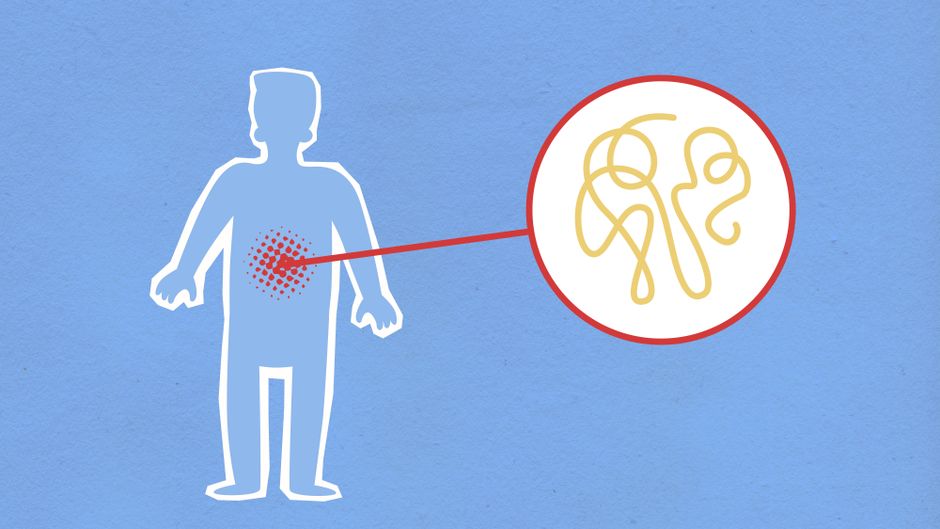
Eczema and gut health are connected, but not in the simple way many online posts suggest. The link is real and backed by growing research, but it does not mean a single probiotic or diet change will cure your skin. The relationship runs through your immune system, your skin barrier, and the bacteria living in your digestive tract. Understanding how these systems talk to each other helps explain why some people with eczema also have digestive complaints, and why gut-focused treatments are being studied for skin conditions.
What Is the Gut-Skin Axis?
The gut-skin axis is the term researchers use for the two-way communication between your digestive system and your skin. Your gut and your skin are both barrier organs. They protect your body from the outside world. They also both host large communities of bacteria, fungi, and viruses.
When the balance of bacteria in your gut shifts, it can trigger immune responses that travel through your bloodstream. Those immune signals can reach your skin and influence inflammation there. This is not speculation. Studies have confirmed that changes in gut bacteria can affect skin conditions like eczema.
Your gut lining also plays a role. A healthy gut lining keeps bacteria and food particles inside your digestive tract. When that lining becomes more permeable — sometimes called “leaky gut” — larger molecules can enter your bloodstream. Your immune system reacts to these particles, and that reaction can contribute to inflammation elsewhere, including your skin.
Importantly, the gut-skin axis is not a one-way street. Skin inflammation can also influence gut bacteria. The two systems constantly exchange signals.
Can Eczema Be Related to Gut Health?
Yes, eczema can be related to gut health, but the relationship is indirect. Eczema is primarily an immune-mediated skin condition driven by genetics and environmental triggers. However, the bacteria in your gut influence how your immune system develops and how it responds to threats.
Research consistently shows that people with eczema tend to have different gut bacteria compared to people without the condition. Specifically, infants who develop eczema often have lower diversity of gut bacteria in their first months of life. Lower diversity means fewer different species of bacteria living in the digestive tract.
Some studies have also found lower levels of certain beneficial bacteria, such as Bifidobacterium and Lactobacillus, in people with eczema. But these are associations, not proof of cause. Having different gut bacteria does not automatically mean the bacteria caused the eczema.
What the evidence does suggest is that gut bacteria influence immune system maturation. A diverse gut microbiome helps train the immune system to respond appropriately to harmless substances. When that training is incomplete, the immune system may overreact to triggers, and that overreaction can show up as skin inflammation.
How Gut Bacteria Affect Skin Inflammation
Your gut bacteria produce substances that travel through your body and affect your immune system. Short-chain fatty acids are the most studied example. These are produced when gut bacteria ferment fiber from your diet. They help regulate inflammation and support the health of your gut lining.
People with eczema sometimes have lower levels of short-chain fatty acids in their stool. This suggests their gut bacteria are not producing as many of these anti-inflammatory compounds. Without enough short-chain fatty acids, the immune system may be more prone to inflammatory responses.
Gut bacteria also influence the balance of immune cells called T cells. Some T cells promote inflammation. Others suppress it. The balance between these two types is shaped partly by signals from gut bacteria. When that balance shifts toward inflammation, skin conditions like eczema can flare.
This does not mean gut bacteria are the root cause of eczema. Genetics play a major role. Many people with eczema have mutations in a gene called filaggrin, which affects the skin barrier. A weakened skin barrier allows moisture to escape and irritants to enter. Gut bacteria cannot fix a genetic skin barrier defect. But they may influence how severely the immune system reacts once the barrier is compromised.





Do Probiotics Help Eczema?
Probiotics are the most popular gut-focused treatment for eczema, and the evidence is genuinely mixed. Some studies show modest benefits. Others show no benefit at all. The difference often comes down to which probiotic strain is used, when it is given, and who is taking it.
The strongest evidence supports using specific probiotic strains during pregnancy and early infancy to prevent eczema in babies at high risk. Some research published in the British Journal of Dermatology found that certain Lactobacillus strains reduced the risk of developing eczema in infancy. However, not all strains work, and the effect is not large.
For treating existing eczema, the evidence is weaker. Some studies suggest probiotics can reduce the severity of symptoms in children with eczema. Others find no improvement compared to placebo. No single probiotic strain has been proven consistently effective for treating eczema.
If you are considering probiotics for eczema, keep these points in mind:
- Different strains have different effects. Lactobacillus rhamnosus GG is one of the most studied strains for eczema prevention.
- Probiotics are not regulated as drugs. Product quality varies widely between brands.
- Probiotics are generally safe for healthy people, but they can cause digestive discomfort in the first weeks.
- No clinical guidelines currently recommend a specific probiotic for treating eczema in adults.
Can Diet Changes Improve Eczema?
Diet can influence eczema, but food is rarely the main trigger. True food allergies cause eczema flares in only a minority of people, mostly young children with severe disease. Common triggers include cow’s milk, eggs, and peanuts. In adults, food triggers are less common.
What you eat does affect your gut bacteria, and gut bacteria affect inflammation. A diet rich in fiber supports a diverse gut microbiome. Fiber feeds the bacteria that produce short-chain fatty acids. Fruits, vegetables, legumes, and whole grains are the main sources of fiber.
Some people report that eliminating certain foods improves their eczema. The evidence for elimination diets is limited, but they may help specific individuals. If you suspect a food trigger, work with a doctor or dietitian. Eliminating entire food groups without guidance can lead to nutrient deficiencies.
There is no single “eczema diet” supported by strong evidence. The most defensible dietary advice is to eat a balanced diet with plenty of fiber and to avoid crash diets that reduce bacterial diversity.
What About Leaky Gut and Eczema?
“Leaky gut” is a popular term, but it is often used in ways that outpace the science. The medical term is increased intestinal permeability. It refers to a real phenomenon where the junctions between cells in the gut lining become looser than normal.
Increased intestinal permeability does occur in some conditions, including inflammatory bowel disease and celiac disease. Some studies have found increased permeability in people with eczema, but the evidence is not consistent. It is not clear whether increased permeability causes eczema or is simply present alongside it.
Many products claim to “heal” leaky gut and cure eczema. No clinical evidence currently confirms that any supplement can reverse intestinal permeability in a way that improves skin symptoms. The concept of leaky gut as a root cause of eczema is not established science. It is a theory with limited supporting evidence.
When to See a Doctor
Eczema can be managed well with the right treatment plan. If over-the-counter moisturizers are not controlling your symptoms, see a dermatologist. Prescription treatments include topical corticosteroids, calcineurin inhibitors, and newer biologic medications that target specific immune pathways.
If you have digestive symptoms along with eczema — such as persistent bloating, diarrhea, constipation, or abdominal pain — mention them to your doctor. These symptoms could indicate a separate condition that needs its own evaluation. Do not assume your digestive issues are caused by your eczema or that fixing your gut will fix your skin.
A doctor can also help you decide whether probiotics or dietary changes are worth trying. They can recommend specific strains based on current evidence and help you interpret whether any changes you notice are real or coincidental.
Frequently Asked Questions
Can a bad gut cause eczema?
Changes in gut bacteria are associated with eczema, but they are not proven to cause it. Eczema is primarily driven by genetics and immune system function, with gut bacteria playing a contributing role.
Do probiotics clear up eczema?
Some studies show modest benefits for certain probiotic strains, but results are inconsistent. No probiotic has been proven to reliably clear eczema in adults.
What foods help eczema from the inside?
High-fiber foods like fruits, vegetables, legumes, and whole grains support a diverse gut microbiome and may help regulate inflammation. No specific food has been proven to cure eczema.
Is leaky gut linked to eczema?
Some studies have found increased intestinal permeability in people with eczema, but the evidence is not consistent. The idea that leaky gut causes eczema is not established science.
