
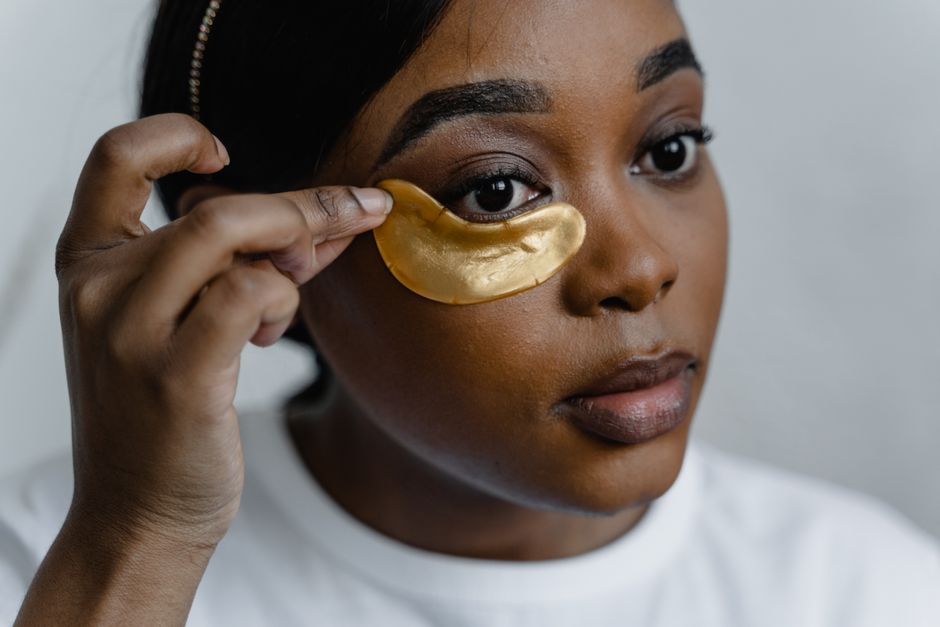
Dark circles under your eyes are not a medical condition you can cure. They are a visible trait caused by a mix of genetics, blood flow, and skin thickness. You can reduce their appearance with the right skincare ingredients, lifestyle changes, and sometimes medical treatments. But no cream or trick will erase them permanently for everyone. The honest answer is that what works depends entirely on why you have them in the first place.
What Actually Causes Dark Circles Under Your Eyes?
The skin under your eyes is the thinnest on your entire body. It is almost translucent. When blood pools in the tiny vessels beneath this thin skin, it shows through as a blue or purple tint. That is the most common cause of dark circles.
Genetics play a huge role. If your parents had dark circles, you likely will too. Some people naturally have deeper tear troughs, which create a shadow that looks like a dark circle. Others have naturally thinner skin or more visible blood vessels. You cannot change your genetics.
Allergies are another major cause. When you have allergic reactions, your body releases histamine. This causes blood vessels to dilate and fluid to build up under your eyes. The result is puffiness and discoloration. Rubbing your eyes makes it worse by breaking small blood vessels.
Lack of sleep does cause dark circles, but not in the way most people think. Sleep deprivation makes your skin paler, which makes blood vessels more visible. It also causes fluid to pool under your eyes. Studies have found that even one night of poor sleep can make dark circles more noticeable.
Sun exposure is a hidden cause. UV rays trigger melanin production. Over time, this can darken the skin under your eyes just like it does anywhere else on your body. This type of dark circle is brown or gray rather than blue or purple.
Does How To Get Rid Of Black Circles Under Your Eyes Actually Work with Skincare Products?
Some ingredients have real evidence behind them. Others are marketing hype. You need to know the difference to avoid wasting money.
Vitamin C is one of the most studied ingredients for brightening skin. It inhibits melanin production and boosts collagen. Research shows that consistent use over 8 to 12 weeks can lighten brown-type dark circles. It will not do much for blue or purple circles caused by visible blood vessels.
Caffeine constricts blood vessels temporarily. When applied topically, it can reduce puffiness and make blood vessels less visible. The effect lasts a few hours at best. It is a short-term fix, not a long-term solution.
Retinoids increase collagen production and thicken skin over time. Thicker skin means less transparency, so blood vessels show through less. This takes months of consistent use. Retinoids can cause irritation on the sensitive under-eye area, so you need a gentle formula designed for that region.
Niacinamide helps strengthen the skin barrier and reduce inflammation. Some studies suggest it can lighten hyperpigmentation. It is generally well-tolerated and works well alongside other ingredients.
Hydroquinone is a strong skin lightener. It is prescription-only in many countries. It can work for brown dark circles caused by melanin, but it carries risks including skin thinning and rebound darkening. Current research suggests it should only be used under medical supervision for short periods.
One ingredient to skip is collagen in creams. Collagen molecules are too large to penetrate the skin. Putting collagen on your face does not increase collagen in your skin. It acts as a moisturizer at best.
| Ingredient | Best For | Time to See Results | Evidence Strength |
|---|---|---|---|
| Vitamin C | Brown dark circles | 8-12 weeks | Strong |
| Caffeine | Puffiness, blue circles | Immediate, temporary | Moderate |
| Retinoids | Thin skin, all types | 3-6 months | Strong |
| Niacinamide | Hyperpigmentation | 8-12 weeks | Moderate |
| Hydroquinone | Stubborn brown circles | 4-8 weeks | Strong, with risks |
What Lifestyle Changes Actually Reduce Dark Circles?
Sleep is the most obvious answer, but the quality matters more than the quantity. Sleeping on your back with your head slightly elevated prevents fluid from pooling under your eyes. Side and stomach sleeping can cause fluid to collect and make circles worse.
Allergy management can make a dramatic difference for some people. Antihistamines reduce the histamine response that causes blood vessel dilation. If your dark circles are seasonal or accompanied by itchy eyes, this might be the single most effective change you can make. As of 2026, current research still supports antihistamines as a first-line approach for allergy-related dark circles.
Diet plays a smaller role than most articles claim. Iron deficiency can cause paleness that makes dark circles more visible. If you are anemic, correcting that may help. But eating more kale or drinking more water will not erase genetic dark circles. Dehydration can make skin look duller, which emphasizes circles, but hydration alone is rarely the fix.
Salt intake matters for puffiness. High sodium causes fluid retention. Reducing processed foods and salty snacks can decrease morning puffiness under the eyes. This is a real effect, but it only helps if puffiness is part of your problem.
Sun protection is non-negotiable. The skin under your eyes is thin and vulnerable to UV damage. A mineral sunscreen with zinc oxide or titanium dioxide is less irritating than chemical sunscreens for this area. Apply it daily, not just when you plan to be outside.





What Medical Treatments Are Available for Stubborn Dark Circles?
When topical products and lifestyle changes are not enough, medical procedures can help. These are more expensive and carry real risks. You should understand what each one actually does.
Topical prescription treatments are the least invasive medical option. A dermatologist can prescribe a stronger retinoid or a combination cream with hydroquinone, tretinoin, and a mild steroid. These are more potent than anything over the counter. They also have more side effects including redness, peeling, and irritation.
Chemical peels remove the top layer of skin to reduce pigmentation. Light peels with glycolic acid or lactic acid are used for brown dark circles. Results are modest and require multiple sessions. Deep peels are too risky for the under-eye area.
Laser treatments target specific problems. Vascular lasers like pulsed dye laser can reduce visible blood vessels that cause blue circles. Fractional lasers can thicken skin and stimulate collagen. Pigment lasers can break up melanin clusters. These treatments work but cost hundreds to thousands of dollars per session. Multiple sessions are usually needed.
Filler injections address hollow tear troughs. When dark circles are actually shadows caused by a sunken area under the eye, filling that space with hyaluronic acid can dramatically reduce the appearance of circles. This is a cosmetic procedure performed by a trained injector. Results last 6 to 18 months. Risks include bruising, lumpiness, and rare but serious complications like vascular occlusion.
Platelet-rich plasma (PRP) involves drawing your blood, spinning it to concentrate the platelets, and injecting it under your eyes. The idea is that growth factors in platelets stimulate collagen and thicken the skin. Evidence is mixed. Some studies show modest improvement. Others show no significant difference from placebo.
Fat transfer is a surgical procedure where fat is taken from another part of your body and injected under the eyes. It is more permanent than fillers but requires actual surgery with incisions and recovery time. Results vary significantly based on the surgeon’s skill.
What Common Misconceptions About Dark Circles Should You Ignore?
The internet is full of advice that sounds reasonable but has no evidence behind it. Here are the claims you should be skeptical about.
- Tea bags and cucumber slices feel cool and soothing, which temporarily constricts blood vessels. The effect is from the cold temperature, not from any ingredient in the tea or cucumber. An ice pack wrapped in a cloth does the same thing more effectively.
- Potato slices and potato juice are widely claimed to lighten dark circles because of an enzyme called catecholase. There is no clinical evidence that this works on human skin under the eyes. It is a folk remedy with no scientific support.
- Cold spoons work on the same principle as ice packs. The cold reduces puffiness temporarily. The spoon itself does nothing special. You get the same effect from any cold object.
- Almond oil is a moisturizer, not a skin lightener. There is no evidence that it reduces pigmentation or thickens skin. It can clog pores and cause milia, those tiny white bumps around the eyes.
- Vitamin E oil is often recommended for dark circles, but research shows it can actually cause contact dermatitis in some people. It does not lighten skin or reduce dark circles.
- Sleeping more will not fix genetic dark circles. If you already sleep 7 to 9 hours and have dark circles, more sleep will not help. The circles are structural or genetic, not fatigue-related.
One more common claim deserves clarification: that toothpaste dries out pimples and therefore might help dark circles. Do not put toothpaste under your eyes. It contains ingredients that irritate skin, and the under-eye area is too sensitive for that kind of treatment. You will likely end up with red, irritated skin that makes the circles look worse.
How Do You Know Which Treatment Is Right for Your Dark Circles?
The first step is figuring out what type of dark circles you have. This determines what will actually help.
Look at your dark circles in natural light. Pull the skin under your eye down gently. If the color stays the same, it is likely pigmentation or thin skin. If the color changes or disappears when you stretch the skin, it is likely from blood vessels showing through.
Look at the color. Blue or purple circles are usually vascular. Brown or gray circles are usually pigmented. If you have a hollow or sunken appearance under your eye, the dark area is likely a shadow, not actual skin discoloration.
Blue or purple circles respond best to ingredients that thicken skin like retinoids, or treatments that reduce visible vessels like caffeine or vascular lasers. Brown circles respond best to melanin inhibitors like vitamin C, niacinamide, or prescription lighteners. Shadows respond best to fillers that plump the hollow area.
If your dark circles are seasonal or worse during allergy season, start with antihistamines. If they are worse after a bad night of sleep, focus on sleep quality and elevation. If they are constant and unchanged by anything you do, they are likely genetic, and your best option is a combination of maintenance skincare and targeted medical treatments.
No single approach works for everyone. Anyone who promises a universal cure is selling something that does not exist. The honest approach is to identify your specific type, try the simplest evidence-based option first, and only escalate to more expensive or invasive treatments if needed.
Frequently Asked Questions
Can dark circles under eyes be permanently removed?
No treatment permanently removes dark circles for everyone. Some causes like genetics and thin skin are structural and cannot be reversed. Maintenance treatments are usually needed to keep results.
How long does it take for eye creams to work on dark circles?
Most active ingredients like vitamin C and retinoids require 8 to 12 weeks of consistent daily use before you see noticeable improvement. Caffeine-based products work in minutes but only last a few hours.
Are dark circles a sign of a health problem?
Dark circles alone are rarely a sign of a serious health problem. They can be associated with allergies, iron deficiency, or lack of sleep, but they are usually genetic or structural.
Do fillers hurt and how long do they last for dark circles?
Fillers involve injections that cause some discomfort, but numbing cream is used. Results typically last 6 to 18 months depending on the type of filler used and your individual metabolism.
