
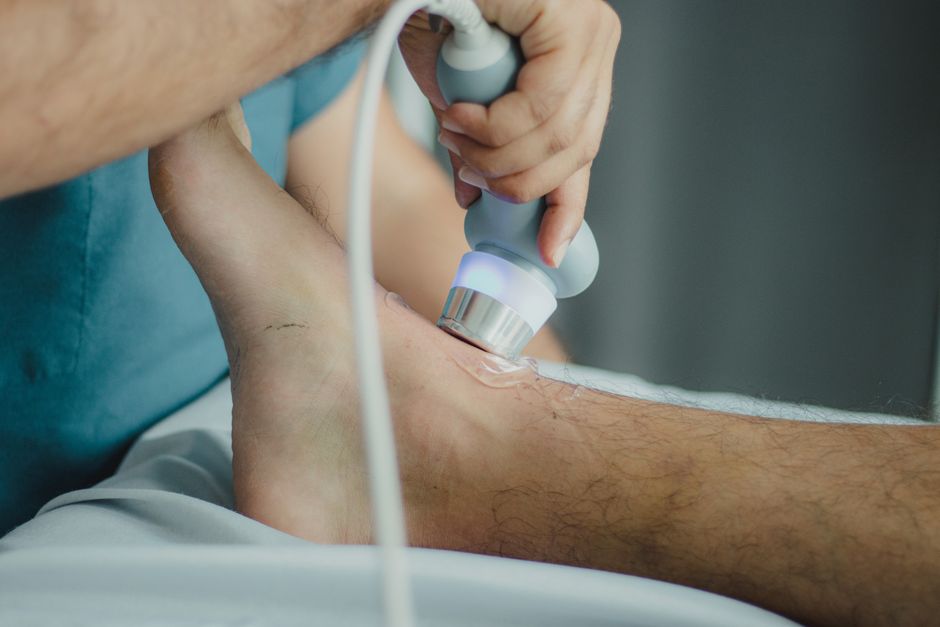
Nerve damage can feel frustrating and slow to heal, but your body has a remarkable ability to repair itself when given the right conditions. Research shows that supporting nerve regeneration naturally involves reducing inflammation, providing specific nutrients, and protecting existing nerve cells from further harm. While severe damage may require medical treatment, many people can improve mild to moderate nerve function through diet, lifestyle changes, and targeted supplements.
What Actually Causes Nerve Damage in the First Place?
Nerve damage, or neuropathy, happens when the protective coating around nerves called myelin gets damaged or when the nerve cells themselves are injured. The most common cause in the United States is poorly controlled type 2 diabetes. High blood sugar levels directly damage small blood vessels that supply nerves with oxygen and nutrients.
Other causes include vitamin B12 deficiency, which is surprisingly common in adults over 50. Alcohol overuse, autoimmune conditions like lupus or rheumatoid arthritis, and physical trauma from injuries or repetitive motions also contribute. Some chemotherapy drugs cause temporary nerve damage that can improve after treatment ends.
Knowing the cause matters because it changes what approach actually helps. For example, taking B vitamins for nerve pain from chemotherapy may not work the same way as it does for diabetic neuropathy. Current research suggests that identifying and removing the underlying trigger is the most important first step before any natural repair can happen.
Can Diet Alone Repair Damaged Nerves?
Diet plays a direct role in nerve health, but it is not a standalone cure. What you eat provides the raw materials your body needs to rebuild myelin and reduce inflammation that slows healing. The evidence is strongest for specific nutrients rather than any single miracle food.
B vitamins are essential for nerve function. Vitamin B12, B6, and B1 (thiamine) help produce myelin and support energy production in nerve cells. A 2021 review in the journal Nutrients found that B vitamin supplementation improved nerve conduction velocity in people with diabetic neuropathy. Food sources include eggs, meat, fish, dairy, and fortified cereals.
Alpha-lipoic acid is an antioxidant that some studies suggest can reduce nerve pain and improve function. It is naturally found in small amounts in spinach, broccoli, and organ meats. However, the doses used in studies are much higher than what food alone provides.
Omega-3 fatty acids from fish like salmon and sardines help reduce inflammation. A 2020 study found that omega-3 supplementation improved nerve regeneration after injury in animal models. Human evidence is less clear but supportive.
| Nutrient | Food Sources | What Evidence Shows |
|---|---|---|
| Vitamin B12 | Meat, fish, eggs, dairy | Strong for deficiency-related neuropathy |
| Alpha-lipoic acid | Spinach, broccoli, organ meats | Moderate for reducing nerve pain |
| Omega-3s | Salmon, sardines, walnuts | Moderate for reducing inflammation |
| Vitamin D | Sunlight, fatty fish, fortified milk | Weak but growing evidence for nerve repair |
The honest answer is that diet alone rarely reverses established nerve damage. But a nutrient-dense diet creates the conditions where repair can happen. If you have a known deficiency, correcting it through food or supplements is the most evidence-backed approach.
What Supplements Actually Help Nerve Repair?
Several supplements have research behind them for nerve health, but the quality of evidence varies widely. Some are well-studied in human trials. Others are popular on social media with little to no clinical support.
Alpha-lipoic acid (ALA) is one of the most studied supplements for nerve damage. A 2019 meta-analysis of 15 clinical trials found that 600 mg per day of ALA significantly reduced symptoms of diabetic neuropathy including pain, burning, and numbness. It works by reducing oxidative stress that damages nerve cells. Some people report stomach upset at higher doses.
Acetyl-L-carnitine helps nerve cells produce energy. Studies suggest it may improve nerve regeneration after injury and reduce pain in some types of neuropathy. A 2017 review found it effective for chemotherapy-induced peripheral neuropathy but less so for diabetic neuropathy.
Benfotiamine is a fat-soluble form of vitamin B1 that gets into nerve tissue better than regular thiamine. Some studies suggest it reduces pain and improves nerve function in diabetic neuropathy. The evidence is moderate — not strong enough to call it a cure, but promising enough to consider under medical guidance.
Vitamin D deficiency is linked to worse nerve pain and slower recovery. As of 2026, current research suggests that correcting low vitamin D levels may improve symptoms, but there is no evidence that taking vitamin D if your levels are normal helps nerve repair.
Be careful with supplements. Some can interact with medications. High doses of B6 can actually cause nerve damage. Always check with a doctor before starting, especially if you take prescription medications or have kidney disease.





Do Lifestyle Changes Like Exercise and Sleep Help?
Yes, and the evidence for exercise is stronger than most people realize. Regular physical activity improves blood flow to nerves, reduces inflammation, and stimulates the release of growth factors that support nerve repair. A 2022 study found that moderate aerobic exercise three times per week improved nerve regeneration in people with diabetic neuropathy.
Walking, swimming, and cycling are good choices. The key is consistency, not intensity. Overdoing it can worsen symptoms if you already have nerve pain. Start slow and increase gradually.
Sleep is equally important but often overlooked. During deep sleep, your body repairs tissues including nerves. Poor sleep increases inflammation and stress hormones that slow healing. Aim for seven to nine hours per night. If nerve pain keeps you awake, try sleeping on your side with a pillow between your knees to reduce pressure on sensitive areas.
Stress management matters too. Chronic stress raises cortisol levels, which can damage nerve cells over time. Meditation, deep breathing, and gentle yoga have some evidence for reducing nerve pain, though the studies are small. Some people report real benefits. Others find no change. It is worth trying because it costs nothing and has no side effects.
What Natural Remedies Should You Avoid?
Not everything marketed for nerve repair works. Some popular remedies have no evidence behind them and can even be harmful.
High-dose vitamin B6 is a common mistake. While B6 is essential for nerve health, taking more than 100 mg per day can cause neuropathy symptoms. This is called pyridoxine toxicity. Some over-the-counter nerve supplements contain dangerously high amounts. Check labels carefully.
Capsaicin cream made from hot peppers can reduce pain for some people, but it does not repair nerves. It works by depleting substance P, a chemical that sends pain signals. It may help with symptoms but does not address the underlying damage.
Magnetic therapy and copper bracelets have been tested in clinical trials and found no better than placebo for nerve pain or repair. The evidence is clear — they do not work.
Essential oils like peppermint or lavender may help with relaxation and temporary pain relief through aromatherapy. There is no clinical evidence that they repair nerve tissue. Some people report feeling better after massage with essential oils, but that benefit likely comes from the massage itself, not the oil.
- Do not take high-dose B6 supplements
- Avoid magnetic therapy products
- Do not rely on essential oils for nerve repair
- Be skeptical of any product claiming to cure neuropathy quickly
- Always check supplement labels for actual ingredient amounts
The supplement industry is poorly regulated. Products can contain different amounts than what the label says, or contain ingredients not listed. Stick with well-known brands that have third-party testing.
How Long Does Natural Nerve Repair Take?
Nerves heal slowly. The general rule is that nerves regenerate at about one millimeter per day, or roughly one inch per month. For a nerve in your foot, that could mean six months to a year or more to see noticeable improvement.
Mild damage may improve within a few weeks of addressing the underlying cause. For example, correcting a B12 deficiency often leads to symptom improvement within two to three months. Diabetic neuropathy can take longer and may not fully reverse even with excellent blood sugar control.
Some people expect immediate results from supplements or diet changes and get discouraged when nothing happens quickly. That is normal. Nerve repair is a slow biological process. Consistency matters more than intensity. Keep doing the right things for months, not weeks, before judging whether they work.
If you have no improvement after six months of consistent effort, or if symptoms worsen, see a doctor. Some types of nerve damage require medical treatment that natural approaches cannot replace.
As of 2026, current research suggests that combining multiple approaches — diet, exercise, sleep, stress management, and targeted supplements — gives the best chance for meaningful improvement. No single natural remedy is a magic bullet. But the combination, applied consistently over time, can make a real difference for many people.
Frequently Asked Questions
Can damaged nerves heal on their own without medical treatment?
Mild nerve damage can heal on its own if the underlying cause is removed and the body has enough nutrients. Severe damage usually requires medical treatment.
What is the fastest way to repair nerve damage naturally?
Correcting any nutrient deficiencies, especially B vitamins, and improving blood sugar control if diabetic are the fastest evidence-backed steps.
How long does it take for nerves to regenerate naturally?
Nerves regenerate at about one inch per month on average, but full recovery can take six months to a year or more depending on severity.
Is magnesium good for nerve repair?
Magnesium helps with nerve function and may reduce muscle cramps, but there is no strong evidence it directly repairs damaged nerve tissue.
